The global infrastructure relies entirely on continuous-profile polymers. Look at the PVC pipes delivering your municipal water, the HDPE conduits protecting underground fiber optic cables, or the medical tubing used in intensive care units. None of these critical components are created via injection molding. They are all manufactured using continuous extrusion. When facility managers or production engineers ask "what is a plastic extrusion machine," they often underestimate the sheer thermodynamic and mechanical violence occurring inside the barrel. From our experience at Xjgmachine, engineering and deploying heavy-duty Plastic Extruder systems globally, a poorly specified extrusion line will destroy your raw material, burn out your gearboxes, and bankrupt your operational budget through scrap generation.
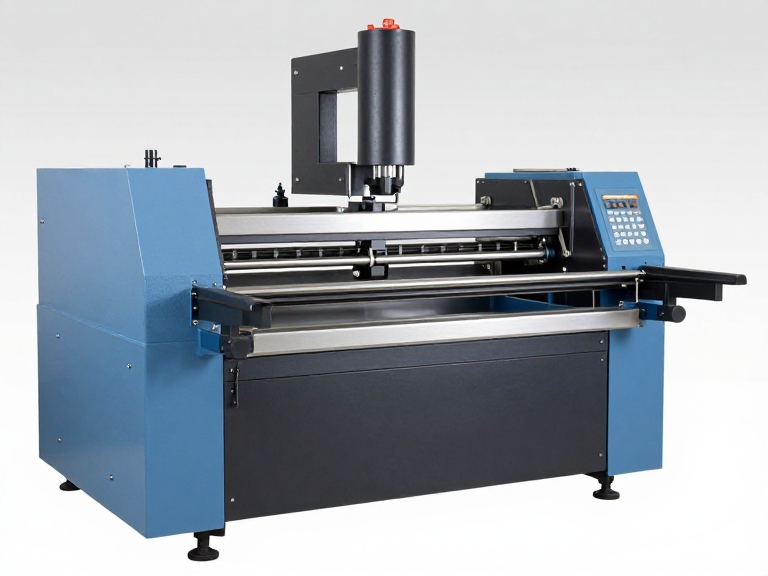
In most professional situations, treating a plastic extrusion machine as a simple "hot glue gun for factories" is a catastrophic engineering error. You must use commercial and practical judgment when procuring this equipment. The exact geometry of the screw, the L/D (Length to Diameter) ratio, and the precision of the PID temperature controllers dictate whether you produce flawless pressure pipes or brittle, unusable junk. In this definitive guide, we take an uncompromising, expert stance on the mechanics of polymer extrusion. We will dissect how these machines actually function, expose the critical differences between single and twin-screw architecture, and provide you with the blueprint to specify the exact machinery required for your manufacturing facility.
If you need to understand the core function of a plastic extrusion machine immediately, here is the operational reality:
The Core Function: It is a heavy industrial machine that melts raw plastic polymer (pellets or powder) through intense friction and external heat, and then forces that molten plastic through a precisely machined metal die to create a continuous shape (like a pipe, sheet, or film).
The Mechanism: It utilizes a massive, rotating steel screw housed inside a heated steel barrel. The screw physically shears, compresses, and pumps the plastic forward.
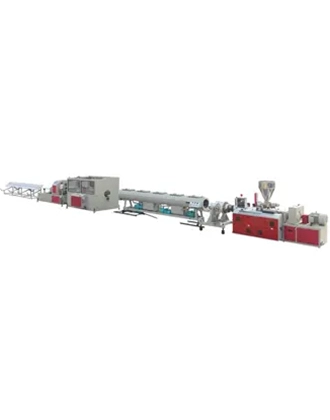
The Output: Unlike injection molding which creates discrete parts (like a bottle cap), extrusion creates continuous lengths. It is the mandatory technology for operating a Plastic Pipe Production Line or manufacturing wire insulation.
We recommend that anyone entering the PVC or composite profile market completely bypass single-screw machines. You must invest in a conical twin-screw extruder to handle the complex compounding and thermal sensitivity of PVC materials.
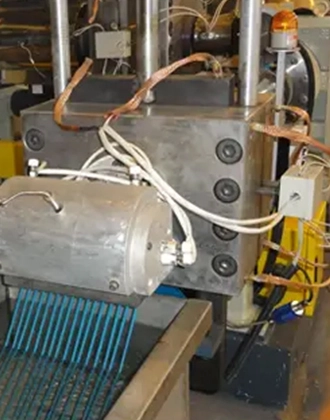
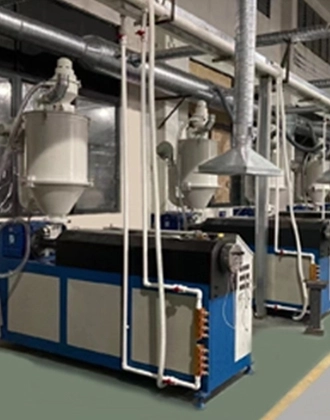
A plastic extrusion machine is a highly calibrated thermodynamic pump. The anatomy is universally divided into five distinct zones. First, the Hopper, where raw resin and additives are gravity-fed into the machine. Second, the Feed Throat, which must be water-cooled to prevent premature melting (bridging) of the plastic. Third, the Barrel and Screw, the heart of the machine, where mechanical shear and electric heater bands convert solid pellets into a homogenous melt. Fourth, the Screen Changer and Breaker Plate, which filter out impurities and convert the turbulent rotational flow of the plastic into a smooth, linear flow. Finally, the Die, the tooling that shapes the molten polymer into its final continuous profile.
How it works is frequently misunderstood by novice operators. A common misconception is that the electric heater bands on the outside of the barrel provide all the heat to melt the plastic. In reality, in a properly running extrusion machine, the heater bands only maintain the ambient temperature. The vast majority of the heat (often 70% to 80%) is generated internally by mechanical shear friction. As the massive steel screw rotates, it aggressively tears and compresses the plastic pellets against the barrel wall. This friction creates immense heat, melting the polymer from the inside out.
This is why screw geometry is hyper-critical. If you attempt to process temperature-sensitive PVC powder in a standard single-screw machine designed for HDPE, the intense shear friction will literally burn the PVC, releasing corrosive hydrochloric acid gas. For PVC, you must utilize specialized architecture, such as the equipment required for a Plastic Straw Making Machine or a heavy pipe line, which relies on low-shear, positive-displacement twin-screw technology.
The primary benefit of operating a plastic extrusion machine is absolute volumetric output. In commercial applications, an extruder does not stop. A well-maintained line can run 24 hours a day, 7 days a week, churning out thousands of meters of pipe or film. This continuous operation drives the cost-per-meter down to fractions of a cent, ensuring massive profitability for manufacturers. Furthermore, modern extrusion machines are the backbone of the circular economy. When integrated into a Plastic Recycling Machine line, an extruder can melt down washed post-consumer waste and re-pelletize it, turning trash back into viable raw material.
We must use commercial and practical judgment: extrusion technology has strict limitations. You cannot use an extrusion machine to make complex 3D objects with varying thicknesses or closed ends (like a bucket or a computer casing). Extrusion is strictly for continuous 2D profiles. Furthermore, the operational risk is severe. If you fail to properly purge the barrel before shutting the machine down, the plastic will freeze solid inside. Reheating a cold barrel with frozen plastic requires extreme care; if the operator turns on the motor before the core is completely molten, the torque will instantly snap the solid steel screw in half, resulting in tens of thousands of dollars in damage.
For Commercial Manufacturers and Infrastructure Suppliers: If you are establishing a factory to supply municipal water pipes, agricultural irrigation tubing, medical catheters, or structural window profiles, a plastic extrusion machine is your primary capital asset. You cannot exist in these industries without heavy-duty extrusion lines.
For Consumer Product Manufacturers: If you are manufacturing discrete parts—such as toys, automotive dashboard clips, Tupperware containers, or bottle caps—do not buy an extrusion machine. You require plastic injection molding machinery.
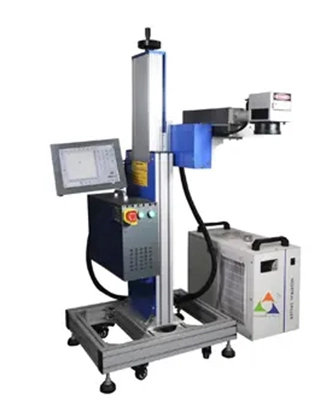
From our experience auditing failed manufacturing facilities, the most catastrophic mistake is buying an extruder based strictly on horsepower and price, without matching the screw L/D (Length to Diameter) ratio to the specific polymer. Buying a short 25:1 L/D machine to process high-melt-flow PP will result in un-melted gels in your final product. You must specify a 30:1 or 33:1 L/D for adequate mixing. Secondly, failing to invest in downstream equipment ruins the product. A perfect extruder is useless if you do not have a massive vacuum calibration tank to instantly cool and hold the shape of the pipe as it exits the die. Always budget for the complete line, including vital accessories like a Plastic Pipe Laser Printer for compliance tracking.
When executing a purchase order for a plastic extrusion machine, you must evaluate the gearbox. The gearbox is the transmission of the extruder. If the manufacturer uses cheap, un-hardened gears, the immense back-pressure from the plastic melt will destroy the thrust bearings within a year. Demand helical gears, heavy-duty SKF or FAG thrust bearings, and an integrated oil cooling system. If you are processing regrind material, you must also secure upstream preparation equipment, such as a heavy-duty Plastic Crusher or a Plastic Pulverizer Machine to ensure the raw material feed is uniform in size.
| Metric | Single Screw Extruder | Conical Twin Screw Extruder |
|---|---|---|
| Primary Application | PE, PP, ABS, PC (Pellets) | PVC (Powder), Heavy Compounding |
| Pumping Mechanism | Friction Drag Flow (Dependent on pressure) | Positive Displacement (Forced forward) |
| Shear & Thermal Control | High Shear (Can burn sensitive materials) | Low Shear, High Mixing (Protects PVC) |
| Capital Cost | Lower | Higher (Complex dual-gearbox required) |
| Pros (Why you must use it) | Cons (The operational reality) |
|---|---|
| Unmatched production volume for continuous profiles (pipes/films). | Cannot produce complex, closed 3-dimensional shapes. |
| Extremely low cost-per-meter once the line is dialed in. | Significant material waste during startup and tooling changes. |
| Allows for co-extrusion (combining multiple layers of different plastics). | Requires massive floor space for downstream cooling and pulling equipment. |
| Highly automated; requires minimal manual labor during steady-state runs. | Severe risk of catastrophic screw damage if cold-started improperly. |
Is investing capital into a specialized twin-screw plastic extrusion machine actually worth the premium over a generic single-screw? Emphatically, yes, if you are processing PVC. Attempting to extrude PVC pipe on a standard single-screw machine will result in thermal degradation, ruined product, and a destroyed barrel. We recommend that commercial pipe and profile manufacturers abandon outdated single-screw technology for these sensitive materials. At Xjgmachine, we engineer continuous solutions that guarantee melt homogeneity and absolute dimensional stability.
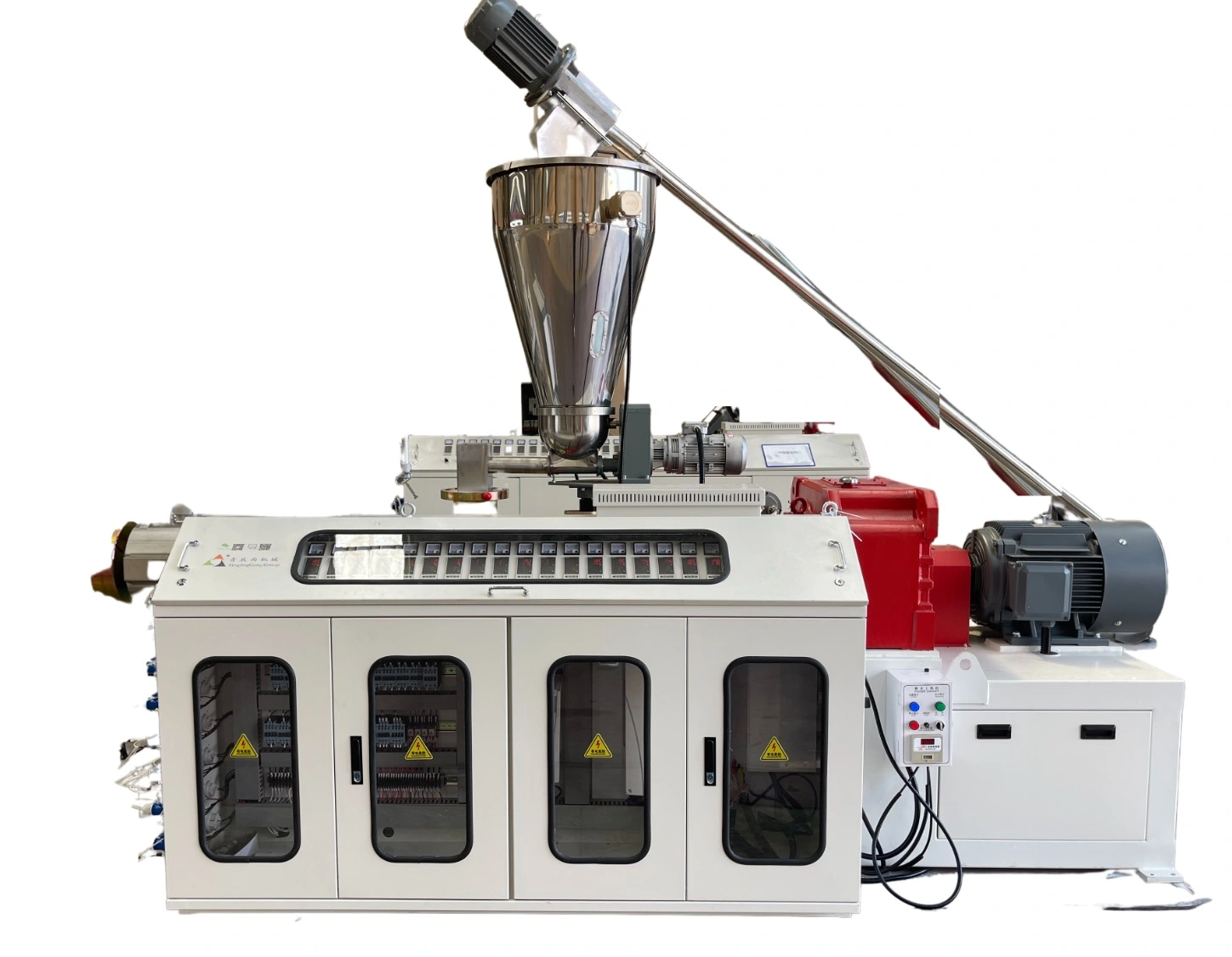
For operations looking to expand into marine or aquaculture infrastructure, the robust output of our twin-screw systems provides the exact melt pressure required to seamlessly feed complex downstream molds, such as those used to manufacture large-scale Plastic Floater/HDPE Pipe Floater assemblies.
A single screw extruder is used for standard polymer melting and shaping (like PE or PP pellets) utilizing friction-drag flow. A twin screw extruder utilizes two intermeshing screws, providing intense shear force, aggressive mixing, and positive displacement. In most professional situations, twin screw extruders are mandatory for processing PVC powder or heavily compounded materials to prevent thermal degradation.
Yes. A specialized plastic extrusion machine equipped with heavy-duty screen changers (to filter out dirt) and vacuum degassing zones (to remove moisture and ink fumes) is the core component of a plastic recycling line. It melts down washed flakes or regrind and extrudes them through a die face cutter into uniform pellets for reuse.
Plastic polymers have extremely narrow processing windows. If the extruder barrel is too cold, the plastic will not melt, causing the motor to over-torque and physically snap the steel screw. If the barrel is too hot, the plastic will thermally degrade, causing discoloration, loss of physical strength, and dangerous, corrosive off-gassing.
If you leave high-temperature or sensitive polymers (like PVC) inside the barrel during a shutdown, the residual heat will bake the plastic onto the screw flights, creating hard carbon deposits. This carbon will continually flake off during future runs, causing black specks and ruining the visual and structural quality of your product. You must always purge the barrel with a stable, high-melt resin before cutting the heat.
To ensure our mechanical engineering guidance and procurement advice conform to the strictest global manufacturing standards, Xjgmachine references the protocols established by the following authoritative organizations:
Society of Plastics Engineers (SPE): The premier global society for plastics professionals, providing peer-reviewed technical papers on extrusion die design, polymer rheology, and screw geometry optimization. Review SPE Engineering Data
Plastics Industry Association (PLASTICS): The leading trade association representing the entire plastics supply chain, offering critical safety standards (ANSI/PLASTICS B151.7) for the safe operation and guarding of extrusion machinery. Review PLASTICS Safety Standards
ASTM International: The global standards organization that develops and publishes the rigorous consensus technical standards (such as ASTM D2122) for determining the dimensions and burst pressure ratings of extruded thermoplastic pipe. Review ASTM Extrusion Standards
This is the first one.
 English
 العربية
 русский
 Español
 français
 português
 Deutsch
 italiano
 Türkçe
 한국어
한국어 日本語
日本語