If you are searching for the Best pvc for air lines to plumb your new commercial workshop or home garage, you are standing at a dangerous crossroads. The internet is flooded with outdated DIY forums showing people gluing together standard Schedule 40 white PVC pipes to run compressed air from their air compressors to their workbenches. From our experience as industrial extrusion machinery manufacturers at Xjgmachine, we must be brutally honest: using standard rigid PVC for compressed air is not just a bad idea; it is a catastrophic safety hazard strictly prohibited by OSHA.
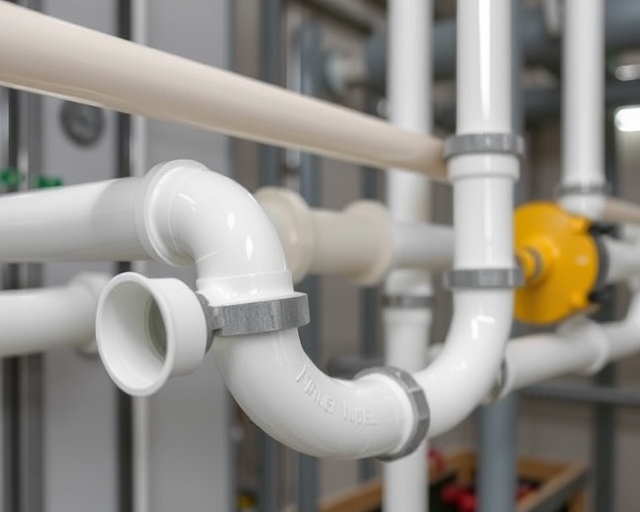
In most professional situations, we see facility managers trying to cut costs by using the wrong materials for pneumatic systems. Standard PVC is designed for liquid transport. Liquids do not compress. Gases do. When standard PVC fails under pneumatic pressure, it does not simply leak; it explodes, sending razor-sharp plastic shrapnel across the room. You must use commercial and practical judgment. While standard rigid PVC is off the table, there are specialized polymer blends, flexible PVC hose formulations, and specialized co-extruded plastics designed specifically for compressed air. In this definitive guide, we will clarify the misconceptions surrounding the Best pvc for air lines, break down the top 7 safe polymer alternatives, and explain the manufacturing science behind safe pneumatic piping.
The blunt truth: You must never use standard rigid Schedule 40 or Schedule 80 PVC pipe for compressed air. It is an OSHA violation due to shrapnel hazards upon failure. However, if you are looking for safe, polymer-based air line solutions, here are the actual best options:
For Rigid Workshop Plumbing: Use specialized Aluminum-Polymer Composite pipes, compressed-air-rated HDPE, or PPR piping.
For Flexible Tool Connections: The Best pvc for air lines is actually Reinforced Flexible PVC Air Hose or Polyurethane (PU) tubing, which expands rather than shattering under pressure spikes.
The Industry Standard: Extruded Aluminum piping has become the modern standard for rigid shop air, offering the anti-corrosion benefits of plastic with the safety of metal.
We recommend entirely avoiding any rigid plastic pipe for air unless it is explicitly stamped by the manufacturer as approved for compressed gas applications.
Polyvinyl Chloride (PVC) is an incredible polymer. When manufactured through a PVC Double Pipe Production Line, it yields affordable, corrosion-resistant, and highly durable conduit and water piping. The confusion arises because PVC handles water pressure exceptionally well. People incorrectly assume that if a pipe can hold 150 PSI of water, it can hold 150 PSI of air. This misunderstanding drives thousands of unsafe installations every year.
To understand why the Best pvc for air lines is not rigid PVC, you must understand physics. Water is an incompressible fluid. If a water pipe breaks, the pressure drops instantly to zero, and the water merely spills out. Compressed air is stored kinetic energy. It acts like a coiled spring. Over time, compressor oils degrade the plasticizers in standard PVC, making it brittle. Furthermore, as air expands out of a compressor, it cools rapidly, chilling the pipe and increasing brittleness. When that brittle PVC pipe eventually fails, the compressed air violently expands, turning the plastic shards into high-velocity shrapnel.
If you want the lightweight, corrosion-free benefits of plastic, you must select polymers engineered for pneumatic systems. Here are the 7 best options:
When searching for the Best pvc for air lines, this is the only correct answer involving pure PVC. Flexible PVC hoses feature an internal braided polyester mesh. If they fail, they split or burst softly rather than shattering. They are excellent for connecting tools to the main rigid header.
High-Density Polyethylene (HDPE) is incredibly tough and ductile. If it is specifically rated for compressed air (OSHA approved), it is an excellent choice for underground or high-impact shop environments. It will swell and tear if over-pressurized, not shatter.
Polypropylene Random Copolymer (PPR) is gaining massive traction in industrial settings. Manufactured on specialized equipment like a PPR Pipe Production Line, these pipes are heat-fused, eliminating glue joints. They are highly resistant to compressor oils and offer excellent thermal stability.
These pipes feature an inner and outer layer of cross-linked polyethylene sandwiching a core of welded aluminum. They bend easily, hold their shape, and offer the safety of metal with the installation ease of plastic.
Standard ABS is not safe, but certain manufacturers produce specialized, compressed-air-rated ABS systems. These are specifically formulated to resist compressor synthetic oils and are shatter-resistant.
For smaller pneumatic runs, robotics, and drop lines, PU tubing is superior to unreinforced PVC. It is highly flexible, abrasion-resistant, and handles high pressure without degrading when exposed to tool oil.
Nylon tubing is the undisputed king for heavy-duty commercial truck air brakes and industrial pneumatics. It handles higher pressures and temperatures than PU or flexible PVC, making it ideal for harsh shop environments.
The commercial benefit of utilizing proper polymer-based air lines (like PPR or composite) over traditional black iron pipe is primarily labor cost. Iron pipe must be cut, threaded, and sealed with pipe dope—a massive labor sink. Modern polymer systems utilize push-to-connect fittings or simple heat fusion, reducing installation time by up to 70%. Furthermore, polymers never rust, meaning your expensive pneumatic tools will not be destroyed by iron oxide flakes blowing through the lines.
We must use commercial and practical judgment: even the best polymer air systems have limitations. All plastics suffer from thermal expansion and contraction. If you run a plastic air line across a warehouse ceiling that hits 120°F in the summer, the pipe will sag between supports if not properly clamped. Additionally, standard plastics degrade under prolonged UV exposure. For heavy-duty applications running outdoors, metal remains superior.
For Commercial Users and Professional Shops: Automotive garages, CNC machine shops, and woodworking facilities benefit massively from PPR or Aluminum-composite systems. They ensure clean, dry, rust-free air delivery to sensitive pneumatic machinery.
For Heavy-Duty Industrial Applications: If your compressor outputs air at extreme temperatures (above 140°F) right at the manifold, or if your facility requires fire-rated piping throughout, you must use copper, stainless steel, or black iron. Polymers will soften or melt near the compressor discharge head.
From our experience, the most catastrophic mistake is ignoring proper printing labels. If a pipe does not explicitly state it is rated for compressed gas, do not use it. To ensure clarity in manufacturing, reputable factories utilize a Plastic Pipe Laser Printer to permanently etch pressure ratings and material specs directly into the pipe wall, preventing dangerous installation mix-ups.
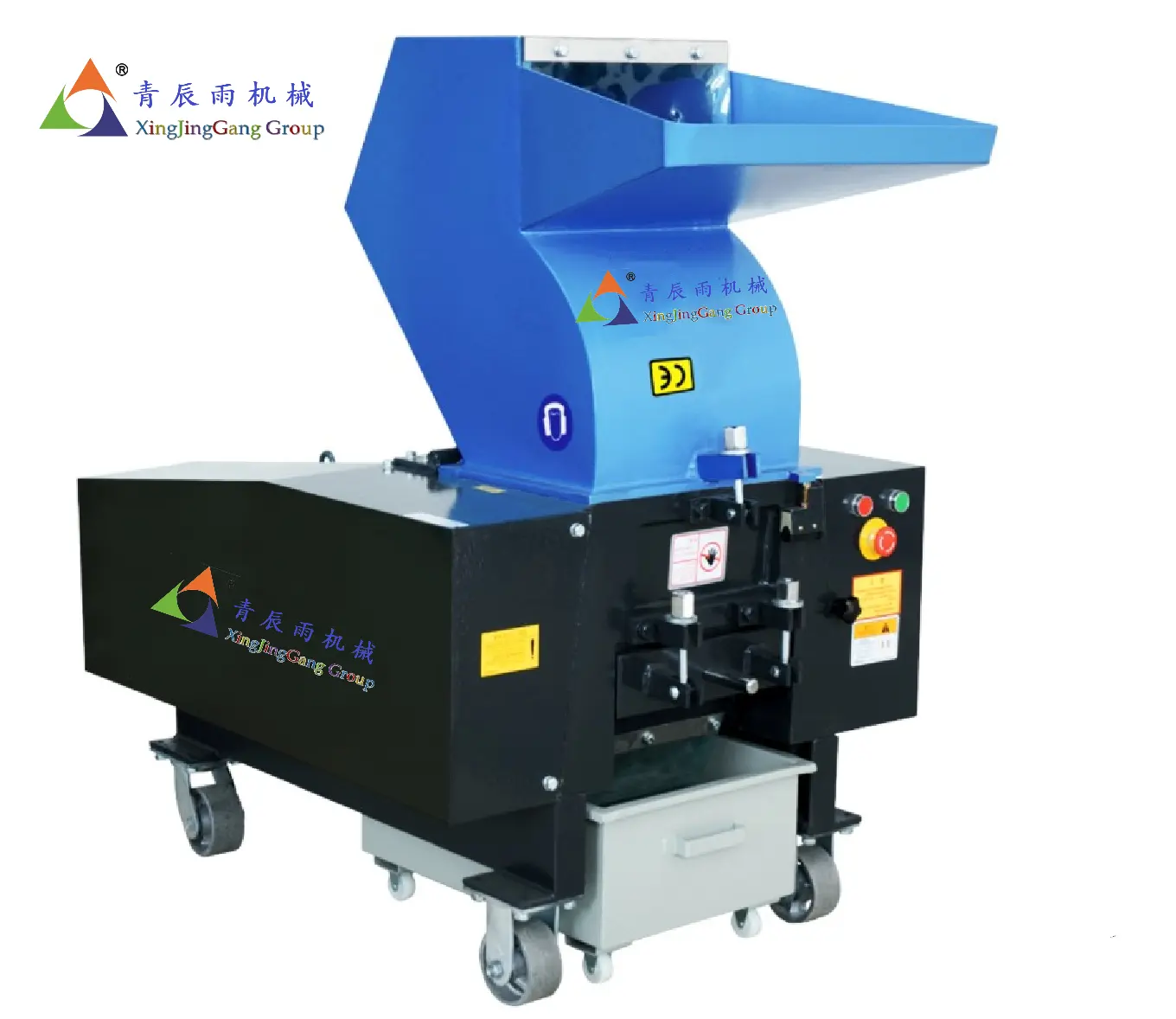
When purchasing an air line system, you must evaluate the long-term scalability of the fittings. If you choose a proprietary push-to-connect polymer system, ensure the manufacturer guarantees long-term availability of those specific fittings. Additionally, factor in the end-of-life recycling. High-quality manufacturing facilities utilize a Plastic Crusher and subsequent PVC/WPC Pelletizing Line to recycle manufacturing scrap, highlighting the importance of using pure, identifiable polymers.
| Material Type | Safety for Compressed Air | Installation Speed | Corrosion Resistance |
|---|---|---|---|
| Standard Rigid PVC (Sch 40) | EXTREMELY DANGEROUS (Shrapnel Hazard) | Fast (Glue) | Excellent |
| Flexible PVC Hose | Safe (Splits, doesn't shatter) | Instant (Couplers) | Excellent |
| PPR Pipe | Safe (Heat fused) | Moderate (Requires fusion tool) | Excellent |
| Black Iron Pipe | Safe (Industrial Standard) | Very Slow (Threading required) | Poor (Rusts internally) |
| Extruded Aluminum | Safe (Modern Standard) | Very Fast (Push fittings) | Excellent |
| Pros | Cons |
|---|---|
| Will not rust, ensuring clean air for pneumatic tools. | Cannot handle the extreme heat directly off the compressor pump. |
| Drastically reduces installation labor and tooling costs. | Subject to significant thermal expansion in unclimate-controlled shops. |
| Lighter weight requires less structural support from ceilings. | Accidental impacts from forklifts can puncture non-metal lines easily. |
Is searching for the Best pvc for air lines a lost cause? No, but you must shift your focus from rigid plumbing PVC to flexible PVC hoses and advanced co-extruded polymers. At Xjgmachine, we engineer the extrusion lines that create the world's infrastructure. We know exactly how these materials behave under stress. We highly recommend utilizing extruded aluminum for your main shop headers and terminating drops with high-quality reinforced flexible PVC hoses.
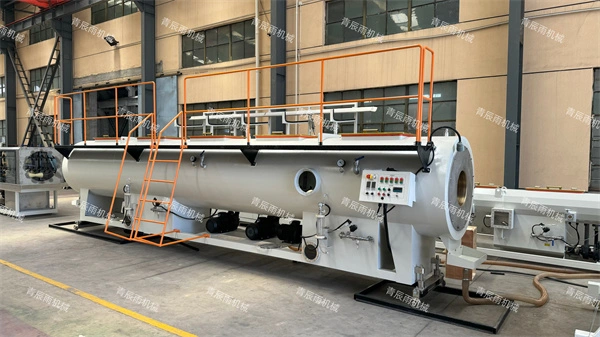
For operations looking to expand their manufacturing output beyond standard conduit, investing in advanced multi-layer systems like the PVC Double Pipe Production Line maximizes floor space and output efficiency.
Standard PVC becomes brittle over time, especially when exposed to compressor oils and the cooling effect of expanding air. When it fails under pneumatic pressure, it shatters explosively, sending jagged plastic shrapnel outward. OSHA prohibits its use to prevent severe lacerations and eye injuries.
In most professional situations, extruded aluminum piping with push-to-connect or compression fittings is the best alternative. It does not rust like iron, it installs as quickly as plastic, and it is 100% safe for high-pressure pneumatic expansion.
Yes. Flexible PVC air hose is manufactured with a braided polyester or nylon reinforcement layer. If the hose bursts, it splits open and vents the air safely rather than shattering into dangerous pieces. It is the industry standard for connecting tools to rigid wall drops.
While PEX (cross-linked polyethylene) is durable and won't shatter like PVC, standard plumbing PEX is usually not rated or approved for compressed gas by the manufacturer. You should only use PEX-AL-PEX (aluminum core composite) that is explicitly stamped for compressed air use.
To ensure our safety guidance and manufacturing insights meet the highest global standards, Xjgmachine aligns its data with the following authoritative organizations:
Occupational Safety and Health Administration (OSHA): The federal agency detailing the strict prohibition of thermoplastic piping (like standard PVC) for above-ground compressed air transport due to explosive shattering hazards. Review OSHA PVC Guidelines
Plastics Pipe Institute (PPI): The major North American trade association representing all segments of the plastic pipe industry, providing technical reports on safe polymer applications. Review PPI Technical Standards
Compressed Air & Gas Institute (CAGI): The authoritative voice on compressed air systems, detailing proper piping network design, pressure drops, and material safety for industrial pneumatics. Review CAGI Piping Data
This is the first one.
 English
 العربية
 русский
 Español
 français
 português
 Deutsch
 italiano
 Türkçe
 한국어
한국어 日本語
日本語