The global plumbing and municipal water infrastructure sector is currently undergoing a massive material transition. For over a century, galvanized steel and rigid copper dominated the landscape of water distribution. However, as soil acidity corrodes metals and shifting ground causes rigid pipes to fracture, contractors have increasingly turned to polymer sciences. One of the most frequent questions we receive at Xjgmachine—as a primary manufacturer of global plastic extrusion technology—is whether municipalities and homeowners can definitively use poly pipe for a water line. The internet is flooded with conflicting opinions, often confusing different types of plastic piping and leading to disastrous installation failures.
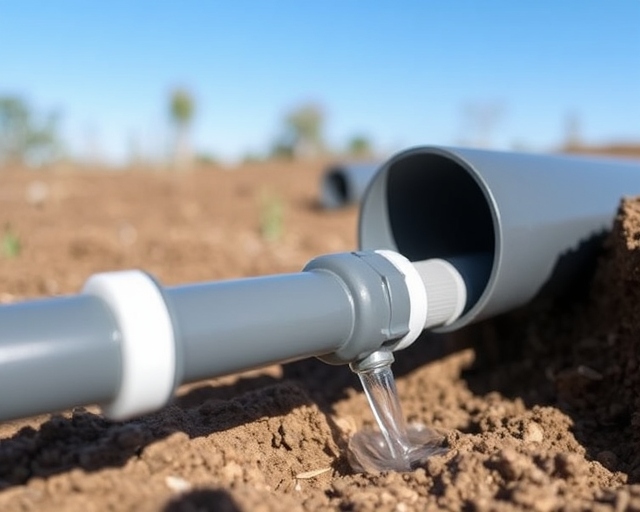
In most professional situations, applying commercial and practical judgment is mandatory when selecting fluid transport materials. Not all plastics are created equal. Using cheap, thin-walled irrigation poly for a highly pressurized residential main line will result in a catastrophic rupture. Conversely, utilizing the correct grade of polyethylene provides an unbreakable, jointless system that outlasts traditional metals by decades. In this definitive guide, we take an uncompromising, expert stance on the mechanical reality of poly piping. We will break down exactly how these polymers are manufactured, explain why they excel in subterranean environments, and provide you with the strict purchasing criteria necessary to ensure your water infrastructure survives for the next century.
Yes, absolutely. However, you must use the correct grade of poly pipe. High-Density Polyethylene (HDPE) is the premier, industry-standard material for underground main water lines running from the municipal meter to your home. Here is the operational reality:
For Underground Mains: HDPE poly pipe is unmatched. It is delivered in long, continuous rolls, eliminating the need for underground joints that inevitably leak. It is highly resistant to freezing and ground shifting.
For Indoor Plumbing: Do not use standard poly pipe inside the walls of a house. It is not rated for indoor hot water distribution. For indoor plumbing, you must transition to PEX or PPR piping.
The Core Requirement: Any poly pipe used for a drinking water line must carry an NSF/ANSI 61 certification stamped directly on the pipe exterior, proving it is safe for potable water.
We recommend that anyone undertaking a water line replacement bypass traditional PVC and copper for the underground trench, and invest strictly in CTS (Copper Tube Size) SDR-9 HDPE poly pipe.
When contractors discuss "poly pipe," they are referring to Polyethylene (PE). However, PE comes in various molecular densities. The black, flimsy coil you see at a hardware store is often Low-Density Polyethylene (LDPE), designed strictly for low-pressure drip irrigation. You cannot use this for a pressurized home water main. To successfully use poly pipe for a water line, you must procure High-Density Polyethylene (HDPE). HDPE is engineered with a tightly packed cellular structure, providing immense tensile strength while retaining elasticity.
In the commercial sector, water main poly pipe is typically colored solid blue or black with a distinct blue stripe. This color coding is a universal utility standard indicating potable (drinking) water. The material is so robust that municipal engineering firms globally specify HDPE for critical infrastructure replacements.
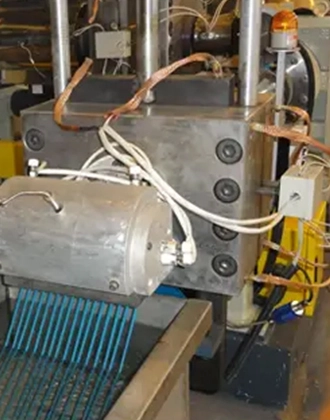
How it works mechanically begins at the manufacturing level. Poly pipe is not cast or molded; it is extruded. At Xjgmachine, we engineer the heavy-duty machinery that transforms raw polymer resins into structural piping. Raw HDPE pellets are fed into a high-temperature barrel. A massive, rotating screw shears and melts the plastic under immense pressure, forcing it through a perfectly calibrated circular die.
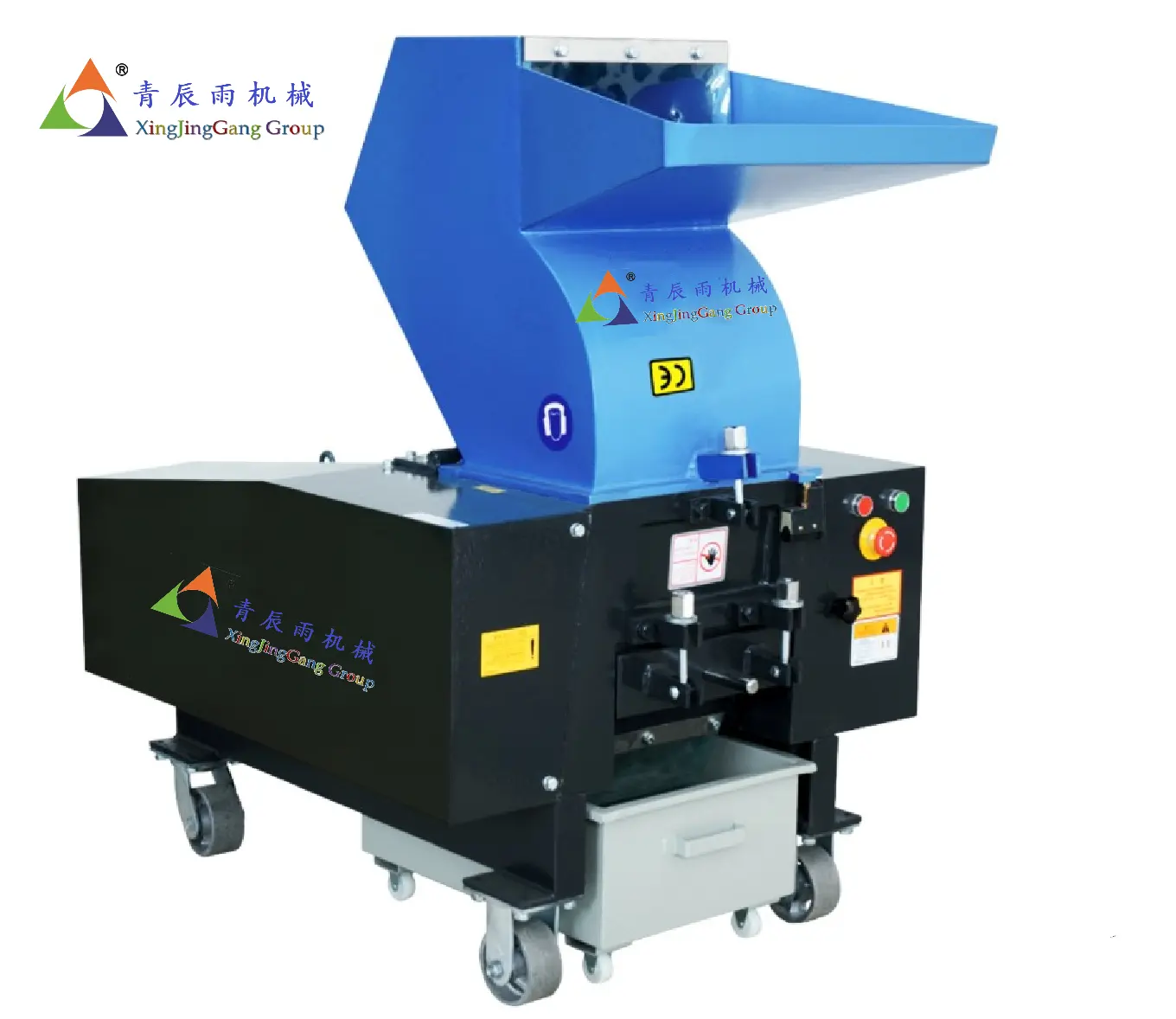
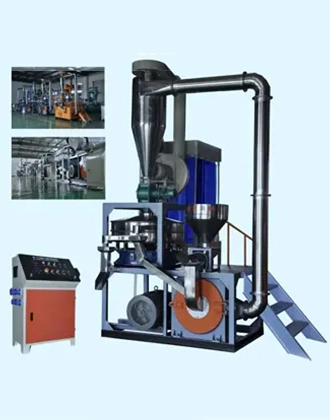
This continuous extrusion process means that poly pipe can be manufactured in continuous spools of 300, 500, or even 1,000 feet. For contractors, this is revolutionary. When you lay a 200-foot water line from a well to a house, you unroll a single, unbroken piece of pipe. There are zero underground glued joints, threaded unions, or soldered elbows to fail over time. If manufacturing facilities need to recycle off-cuts or flawed runs during this process, they utilize a Plastic Crusher and a Plastic Pulverizer Machine to break the polymer back down into reusable powder, ensuring zero industrial waste.
The primary benefit of utilizing HDPE poly pipe is its surge pressure resistance. Water hammer—the destructive shockwave created when a valve closes quickly—can shatter rigid PVC or burst copper fittings. Poly pipe is inherently viscoelastic; it expands slightly to absorb the kinetic shockwave and then returns to its original shape.
Furthermore, from our experience auditing municipal failures, freeze-thaw cycles are the enemy of rigid plumbing. If water freezes inside a standard PVC or copper pipe, the expansion of the ice will violently split the material. Poly pipe, conversely, will stretch and expand to accommodate the ice, generally surviving hard freezes without rupturing, making it indispensable in northern climates.
We must use commercial and practical judgment: poly pipe is not invincible. The most severe limitation of polyethylene is its vulnerability to ultraviolet (UV) radiation. If you leave a spool of standard blue HDPE pipe sitting in direct sunlight for two years, the UV rays will break down the polymer chains, rendering the pipe brittle and prone to catastrophic failure. It must be buried.
Secondly, poly pipe is strictly rated for cold water transport. It begins to soften and lose its pressure rating at temperatures exceeding 100°F (38°C). You cannot use it to pipe a hot water heater. For high-temperature internal distribution, manufacturers rely on specialized systems produced by a PPR Pipe Production Line, as PPR (Polypropylene Random Copolymer) is engineered specifically for thermal stability.
For Commercial Users and Municipalities: City planners undertaking massive subterranean infrastructure upgrades should rely exclusively on thick-walled HDPE. Its ability to be installed via horizontal directional drilling (trenchless technology) saves millions in excavation and road repair costs.
For Heavy-Duty Applications and Rural Properties: If you are running a long service line from an agricultural well to a farmhouse, poly pipe is the only logical choice. Its continuous length and resistance to rocky, shifting soil prevent ground-heave sheer failures.
For Beginners Pluming an Interior Bathroom: If you are remodeling the inside of a home, you do not use poly pipe. Working with thick HDPE inside tight wall cavities is practically impossible due to its stiffness and minimum bend radius. For indoor applications, you require the flexibility of PEX or the rigid heat-fusion of PPR.
In our testing and field observations, the most catastrophic mistake homeowners make is using the wrong fittings. You cannot use automotive worm-gear hose clamps to secure a pressurized poly water main. Over time, the plastic will cold-flow away from the clamp, resulting in a massive leak. You must use engineered compression fittings (like Philmac or Ford meters), heavy-duty stainless steel insert stiffeners, or professional thermal butt-fusion welding.
When you prepare to buy poly pipe, you must understand the "SDR" rating (Standard Dimension Ratio). This defines the wall thickness relative to the pipe diameter. For a residential water main, we recommend an SDR-9 rating. An SDR-9 pipe has a thicker wall and a higher pressure rating (usually 200 PSI) than an SDR-11 or SDR-15 pipe.
Additionally, you must decide between IPS (Iron Pipe Size) and CTS (Copper Tube Size). CTS poly pipe has the exact same outside diameter as copper pipe, meaning standard plumbing compression fittings will attach directly to it without complex adapters. Always verify that the pipe is clearly marked by a Plastic Pipe Laser Printer with its NSF-61 potable water certification.
| Material Type | Freeze Resistance | Installation Method | Primary Advantage |
|---|---|---|---|
| HDPE Poly Pipe | Excellent (Expands to absorb ice) | Continuous trenching / Directional drilling | Zero underground joints over long runs |
| Rigid PVC | Poor (Shatters easily when frozen) | Glued joints every 10 or 20 feet | Low cost, widely available fittings |
| Copper (Type K) | Moderate (Will burst in hard freeze) | Soldered or flared joints | Impermeable to external soil chemicals |
| Pros (Why it dominates the market) | Cons (The operational reality) |
|---|---|
| Eliminates leak-prone underground joints. | Vulnerable to UV degradation if stored in sunlight. |
| Highly resistant to shifting soil and earthquakes. | Permeable to certain highly toxic petroleum spills in soil. |
| Does not corrode, rust, or suffer from mineral scale buildup. | Requires specialized stiffeners inside compression fittings. |
| Absorbs water hammer surges without rupturing. | Cannot be used for hot water distribution. |
Is the decision to use poly pipe for a water line actually worth the effort of sourcing specific SDR-9 ratings and specialized fittings? Emphatically, yes. When burying infrastructure under four feet of earth, your primary goal is to ensure you never have to dig it up again in your lifetime. We recommend that every subterranean water main installation bypass outdated rigid plastics and adopt continuous-roll HDPE.
While poly pipe is the undisputed king of subterranean pressure lines, the global infrastructure grid also demands massive volumes of rigid PVC for municipal drainage, sewer, and high-volume conduit applications. To meet this massive global demand, manufacturers require extreme output efficiency. At Xjgmachine, we provide the heavy industrial extrusion architecture that builds this global infrastructure.
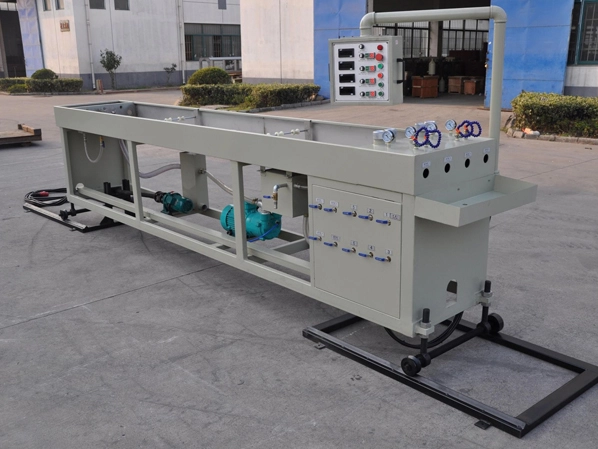
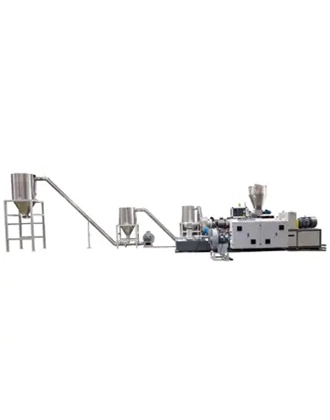
For manufacturers scaling their operations to meet municipal and commercial demands, standard single-output extrusion is no longer financially viable. The Xjgmachine 4-output line quadruples production efficiency while maintaining strict wall-thickness tolerances.
Advanced Conical Screw Design: Features a large diameter in the feeding section, enhancing heat transfer and shear speed for rapid plasticization. The metering section reduces heat transfer, allowing the melt to be extruded at lower, stable temperatures.
Quantitative Feeding: A specialized device ensures the extrusion amount perfectly matches the feeding amount, preventing output surging. (Users should integrate a magnetic body to prevent iron impurities from damaging the screw).
Heavy-Duty Load Distribution: A custom distribution gearbox evenly allocates driving torque, while the large end of the conical screw houses a massive bearing to handle extreme axial loads.
Thermal Stability: Barrel heating utilizes cast aluminum electric heaters for longevity, paired with strong air cooling to instantly neutralize temperature fluctuations.
Variable Control: Main motor speed is continuously adjusted via an AC frequency conversion device equipped with automated protective measures.
For operations looking to diversify their manufacturing capabilities beyond basic conduit, integrating a PVC Double Pipe Production Line alongside specialized end-processing equipment like a PVC Pipe Belling Machine ensures that your facility can deliver finished, ready-to-install infrastructure directly to the commercial market. Furthermore, sustainability can be seamlessly integrated into the factory floor by utilizing a PVC/WPC Pelletizing Line to reprocess industrial scrap.
Yes. Poly pipe, specifically High-Density Polyethylene (HDPE), is widely considered the industry standard for underground municipal and residential main water lines due to its extreme flexibility, freeze resistance, and continuous seamless installation capabilities.
In most professional situations, we do not recommend poly pipe (PE) for indoor water distribution. It is not rated to withstand the high temperatures of a domestic hot water heater and lacks the rigid structure required for neat wall installations. Indoor applications should strictly utilize PEX or PPR piping.
When properly installed beneath the local frost line and protected from degrading UV light, a high-quality HDPE poly pipe water line is structurally engineered to last between 50 and 100 years. It is immune to the mineral scaling and soil corrosion that typically destroys copper and galvanized steel.
In the plumbing industry, solid blue pipe, or black pipe with a prominent blue stripe, specifically designates the line for potable (drinking) water. Solid black poly pipe without a stripe is often utilized for non-potable agricultural irrigation or geothermal loop applications.
To ensure our engineering advice aligns with the strictest global infrastructure standards, Xjgmachine references the guidelines established by the following authoritative organizations:
American Water Works Association (AWWA): The definitive authority on water infrastructure, providing the C901 and C906 engineering standards for polyethylene (PE) pressure pipe and tubing used in municipal water distribution. Review AWWA Engineering Standards
Plastics Pipe Institute (PPI): The major North American trade association representing all segments of the plastic pipe industry, offering extensive technical reports on the lifespan, surge pressure capabilities, and installation best practices for HDPE. Review PPI Technical Data
NSF International: The premier global public health organization that develops the NSF/ANSI/CAN 61 standard, dictating the strict health effects criteria for all plastic piping components intended to transport human drinking water. Review NSF Water Safety Standards
This is the first one.
 English
 العربية
 русский
 Español
 français
 português
 Deutsch
 italiano
 Türkçe
 한국어
한국어 日本語
日本語