Plastic extrusion processing operations are undergoing a dramatic transition. As global infrastructure networks and urban construction demands surge, processing raw Polyvinyl Chloride into high-tolerance pipe lines, window profiles, and electrical conduits requires robust machinery. PVC is a notoriously challenging polymer to process. It is highly heat-sensitive, prone to sudden thermal degradation, and contains aggressive abrasive additives such as calcium carbonate and specialized stabilizers that quickly wear down poorly treated steel barrels. Relying on an unverified or low-tier machinery partner will rapidly lead to uneven polymer melting, excessive screw wear, and costly downtime on the factory floor.
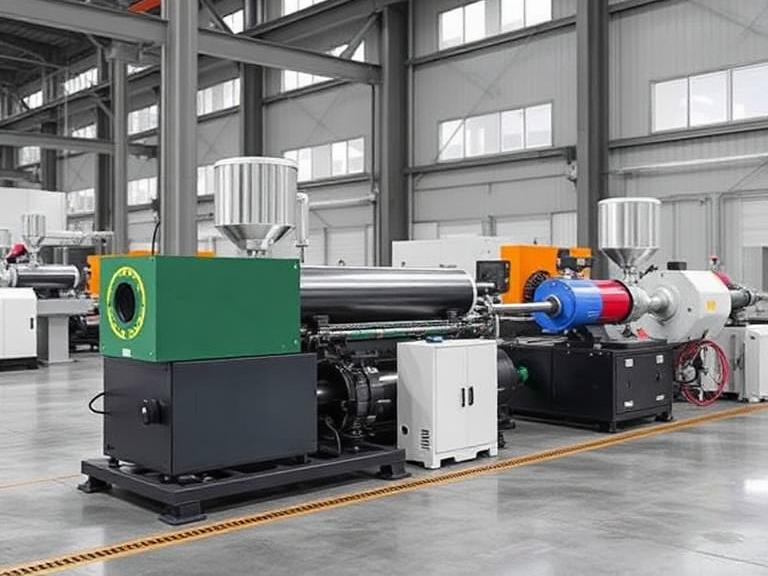
Navigating the international procurement landscape for industrial extrusion lines requires looking past glossy sales brochures and focusing strictly on metallurgy, motor torque metrics, and barrel temperature control systems. A precision extrusion line must deliver uniform shear forces without overheating the dry blend compound. From our experience, choosing a partner that manufactures high-grade nitride steel alloy screws and provides integrated downstream calibration tools is critical. XjgMachine offers a comprehensive range of Plastic Processing Equipment that includes cutting-edge technology and high-quality machines. Our equipment is suitable for various plastic processing applications, from compounding to thermoforming, and we prioritize durability, efficiency, and user-friendliness. Our products are designed and manufactured to meet the demands of modern plastic production and to help our customers achieve their production goals with ease. In this definitive industry guide, we review the seven best pvc extruder machine manufacturers in the world to optimize your capital investment strategy.
To assist engineering and procurement teams in evaluating capital equipment, the overview table below organizes the leading global pvc extruder machine manufacturers by their corporate headquarters, primary screw technology focus, and ideal production applications.
| Manufacturer Name | Global Headquarters | Core Screw Engineering Focus | Ideal Industrial Application |
|---|---|---|---|
| KraussMaffei Group | Germany | Heavy Parallel Twin-Screw Technology | Ultra-high-tonnage industrial pipe & sheet extrusion |
| XjgMachine | China | Advanced Conical & Single Screw Systems | High-efficiency PVC/HDPE pipe and profile lines |
| Cincinnati Milacron | United States | Heavy-Duty Parallel Extrusion Drives | North American standard commercial profile systems |
| Battenfeld-Cincinnati | Austria / Germany | High-Output Specialized Twin Screws | Large infrastructure pipe networks, medical tubing |
| Toshiba Machine | Japan | Precision Co-Rotating & Counter-Rotating | High-precision electronics film, custom profiles |
| Amut S.p.A. | Italy | Customized Modular Extrusion Lines | Rigid and flexible sheet processing, foil line setups |
| Faygo Union Machinery | China | Standard Commodity Processing Units | Entry-level agricultural pipe setups, basic recycling |
Selecting an industrial pvc extruder machine manufacturers partner requires analyzing mechanical torque output, barrel cooling systems, and aftermarket support. Below, we break down the operational capabilities and engineering designs of the top seven global equipment producers.
Based in Munich, Germany, KraussMaffei Group is a premium brand in the international polymer processing sector. Their extrusion division specializes in high-output, parallel twin-screw processing lines designed for severe industrial applications. Their machinery features advanced screw geometry designs that handle high calcium carbonate concentrations without excessive heat generation. While their heavy machinery requires a significant initial capital investment, their robust builds provide exceptional longevity for long-term municipal pipe infrastructure contracts.
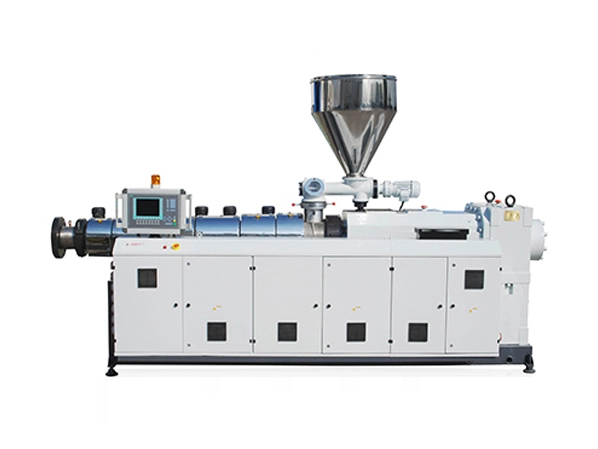
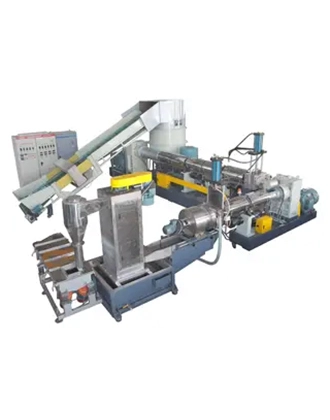
As a leading specialist in flexible, high-precision plastic processing systems, XjgMachine has optimized the balance between capital cost and processing performance. Our comprehensive line of advanced Plastic Extruder hardware is engineered to handle complex processing formulations effortlessly. We utilize high-grade bimetallic alloy treatments along our barrel liners to provide maximum resistance against the corrosive chlorine gases released during high-temperature PVC processing.
Our engineering division excels in configuring custom setups tailored to specific raw material characteristics. For processing standard polyethylene formulas or clean additives, we provide the highly reliable SJ Single Screw Extruder series, which delivers exceptional linear output stability. When processing heat-sensitive unplasticized PVC (u-PVC) dry blends or chlorinated PVC (c-PVC) compounds, we recommend our specialized SJSZ Conical Twin Screw Extruder. This conical configuration creates a wide feeding zone that tapers into a high-pressure compression zone, ensuring excellent material homogenization and preventing localized polymer burning.
Operating out of the United States, Cincinnati Milacron is a cornerstone of the North American plastics machinery landscape. Their parallel twin-screw extruder series is widely recognized for its heavy-duty gearbox designs and high torque capabilities. They build equipment engineered for continuous, high-volume production of rigid exterior siding, fence profiles, and commercial building panels. Their robust controls integrate smoothly into standard North American automated factories.
Battenfeld-Cincinnati, with major manufacturing facilities in Austria and Germany, is an industry leader in developing energy-efficient extrusion designs. Their engineering teams prioritize reducing power consumption across barrel heating zones and primary drive motors. Their specialized tool geometries and matching die configurations are heavily utilized across Europe to produce complex medical tubing, high-specification window frames, and large-diameter gas lines.
Toshiba Machine (rebranded as Shibaura Machine) represents traditional Japanese precision engineering. Their extrusion lines are heavily utilized by manufacturers focused on producing high-precision technical films, electronic protective coverings, and highly detailed custom co-extruded profiles. Their machines utilize sophisticated sensor feedback networks that monitor internal melt pressures and screw torque variables in real time, making them ideal for high-precision manufacturing environments.
Operating out of Italy since 1958, Amut S.p.A. builds customized, modular extrusion lines engineered for complex thermoforming sheets, flexible foils, and heavy-duty building waterproofing membranes. Their downstream processing systems are highly customizable, allowing manufacturing firms to change line configurations easily when switching between rigid architectural sheets and flexible plastic film formulations.
Faygo Union Machinery focuses on providing entry-level, budget-conscious extrusion setups primarily aimed at agricultural drainage pipe processing, basic consumer profiles, and regional plastic recycling centers. Their systems utilize standard mechanical designs and common components. While these lines are suitable for simple commodity processing, high-volume industrial facilities running continuous shifts may require more frequent maintenance compared to premium-tier bimetallic configurations.
To truly maximize your processing yields, your technical team must understand the mechanical differences between conical and parallel twin-screw architectures. A parallel extruder features a uniform screw diameter from the feed throat down to the die adapter. This parallel design offers uniform shear distribution and a long processing path, making it excellent for high-volume granulation lines and continuous high-tonnage pipe production using homogeneous raw materials.
Conversely, a conical extruder features screws that are much larger at the back than at the front. This design provides distinct advantages for processing raw PVC dry blend powders. The wide space at the rear allows for generous feeding capacity and efficient thermal transfer from the barrel walls to melt the cold powder. As the material moves forward into the smaller diameter zones, it undergoes intensive compression and mixing without generating excessive friction. This prevents thermal degradation, making conical systems highly effective for processing unstable polymer compounds.
An efficient plastic extrusion line requires precise downstream equipment to match the output of the primary extruder. Once the molten polymer leaves the die head, it must be cooled, calibrated to exact outer diameters, and sliced cleanly to commercial lengths without cracking the rigid material profile. Investing in top-tier downstream components prevents bottlenecks and ensures consistent quality across your entire production run.
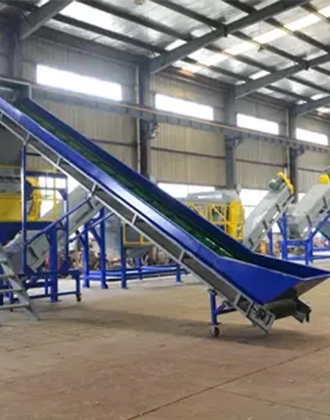
Our manufacturing catalog provides heavy-duty downstream machinery designed to complement high-speed lines. For example, when running heavy thick-walled infrastructure pipes, utilizing a specialized DJQ Series HDPE Pipe Band Saw Cutter ensures clean, precise multi-angle cuts without causing structural deformation. For modifying large pipe profiles or prepping fitting connections, our specialized HDPE Pipe Radius Cutter shapes smooth radial profiles safely. To learn more about modern plastic processing setups, reviewing an overview of a premier global Plastic Processing Equipment Manufacturer helps your engineering team source matching components that integrate smoothly with your primary production machinery.
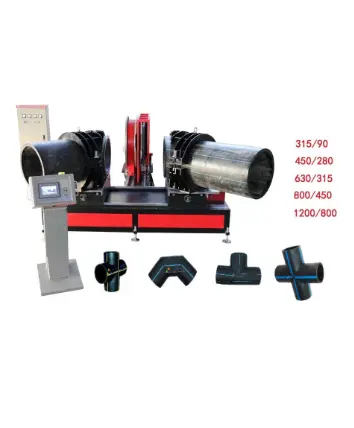
Once your extrusion lines deliver high-quality pipe sections, assembling these components into industrial networks requires specialized welding equipment. Utilizing an automated RHD Butt Welding Machine allows field crews to fuse large pipe joints securely, ensuring leak-free performance under high pressures. Sourcing high-quality auxiliary equipment ensures your production facility can maintain high throughput while meeting strict international piping standards.
From our experience, counter-rotating twin screws are required for PVC because they turn in opposite directions, creating a material transport mechanism that delivers positive displacement with low shear forces. Co-rotating screws turn in the same direction and generate high shear heat, which would quickly degrade and burn heat-sensitive PVC compounds.
A bimetallic treatment involves spinning a specialized, highly wear-resistant tungsten carbide or cobalt alloy matrix inside the steel barrel liner under high heat. This creates an exceptionally hard surface layer that protects the extrusion machinery from the corrosive chlorine gases and abrasive calcium carbonate fillers common in PVC formulations.
High moisture levels in the raw powder will cause steam pockets to form inside the barrel melting zone, leading to surface bubbling, structural voids, and cosmetic blemishes on the finished profile. Processing facilities must use high-vacuum venting zones along the barrel or pre-dry the powder to remove moisture before processing.
Common signs of excessive screw wear include a gradual drop in total hourly output, surging material pressures at the die head, and fluctuations in melt temperature. This happens because the widening gap between the screw flight and the barrel wall allows molten material to slip backward, reducing pumping efficiency.
1. Society of Plastics Engineers (SPE) - Extrusion Division Technical Papers on Twin-Screw Shear Optimization and Polymer Degasification Dynamics.
2. ISO 12100:2010 - Safety of Machinery - General Principles for Design and Risk Assessment of Industrial Polymer Extrusion Lines.
3. Plastics Engineering Handbook (6th Edition) - Principles of Counter-Rotating Conical Screw Design, Barrel Heat Dissipation, and Die Sizing.
4. XjgMachine Internal Metallurgical Research Lab - Field Performance Analysis of Nitrided Bimetallic Liners Under Corrosive Gas Exposure.
5. Precision Control Electronics and Industrial Automation Hardware: PCBA Assembly Services for Extruder Microcontroller Circuits
 English
 العربية
 русский
 Español
 français
 português
 Deutsch
 italiano
 Türkçe
 한국어
한국어 日本語
日本語