The process of plastic pelletizing is one of the most important stages in modern plastic manufacturing and recycling. Whether you produce virgin plastic compounds, recycle post-consumer waste, or manufacture engineering plastics, pelletizing transforms raw plastic materials into uniform pellets that are easier to store, transport, process, and sell.
From our experience working with plastic processing facilities, pellet quality directly affects extrusion stability, injection molding performance, production efficiency, and final product consistency. Companies that overlook pelletizing often struggle with material waste, inconsistent quality, and higher production costs.
If you are evaluating a pelletizing system, upgrading a recycling line, or simply trying to understand how plastic pellets are produced, this guide explains the entire process in practical manufacturing terms.
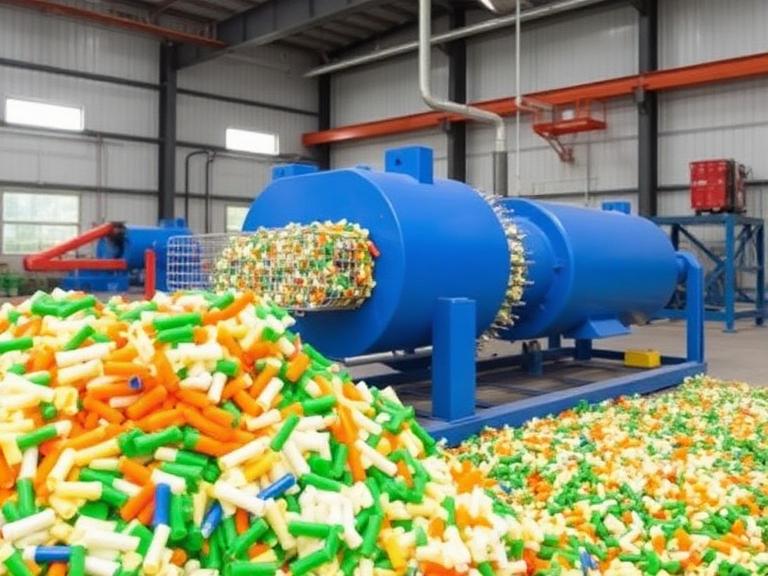
What is the process of plastic pelletizing?
The process of plastic pelletizing involves collecting plastic material, crushing or shredding it when necessary, melting the plastic through an extruder, filtering contaminants, forming strands or droplets, cooling the material, and cutting it into uniform pellets.
Benefits:
Improved material handling
Consistent product quality
Higher processing efficiency
Easier transportation and storage
Better feeding performance in manufacturing equipment
Limitations:
Requires capital investment
Energy consumption can be significant
Contamination control is essential
Best For:
Plastic recyclers
Compounding manufacturers
Pipe manufacturers
Packaging producers
Injection molding facilities
Who May Not Need It:
Very small-scale operations processing raw resin directly
The process of plastic pelletizing converts molten plastic into small, uniform granules known as pellets. These pellets become the standard feedstock used in extrusion, injection molding, blow molding, and numerous downstream manufacturing processes.
In most professional situations, manufacturers prefer pellets because they flow consistently through feeding systems and maintain better material uniformity than flakes or shredded plastic.
Pelletizing is commonly used with:
PE (Polyethylene)
PP (Polypropylene)
PVC
PET
ABS
PS
Engineering plastics
Recycled plastic materials
| Process Stage | Main Purpose | Equipment Used |
|---|---|---|
| Material Preparation | Size reduction and cleaning | Crusher, washing system |
| Feeding | Material transfer | Conveyor, feeder |
| Melting | Plastic plasticization | Extruder |
| Filtration | Remove contaminants | Screen changer |
| Forming | Create strands or droplets | Die head |
| Cooling | Solidify material | Water bath or air cooling |
| Cutting | Create pellets | Pelletizer |
The process begins with raw plastic material entering a processing line. Depending on whether the material is virgin resin or recycled waste, preparation requirements vary.
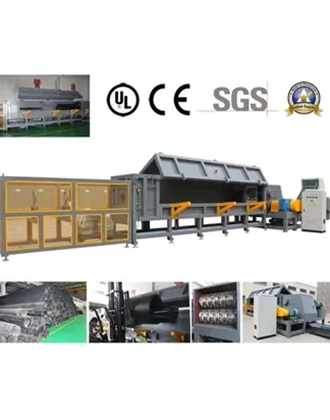
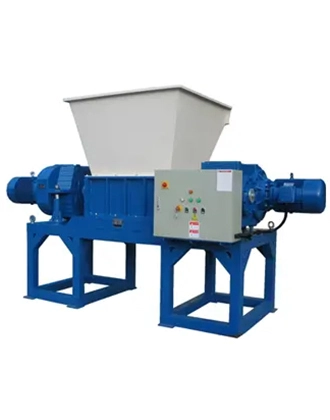
For recycled plastics, facilities typically use a Plastic Crusher to reduce material size before extrusion.
After preparation, material enters an extrusion system where heat and pressure transform solid plastic into a homogeneous molten state. The melt is then filtered and shaped before being cut into pellets.
The goal is simple: create uniform pellets with consistent size, density, and quality.
For recycling applications, plastic waste must first be collected and sorted by polymer type.
Mixing incompatible plastics often causes processing instability and poor pellet quality.
In our testing, proper sorting significantly reduces downstream manufacturing problems.
Large plastic components must be reduced into manageable pieces.
This stage commonly uses a Plastic Crusher or a Plastic Pulverizer Machine.
For heavy-duty applications involving thick-walled products, crushing efficiency becomes a major productivity factor.
Contaminants such as labels, dirt, oils, and adhesives must be removed before extrusion.
Clean feedstock improves pellet consistency and extends equipment life.
For recycled plastics, this step is often more important than the pelletizing process itself.
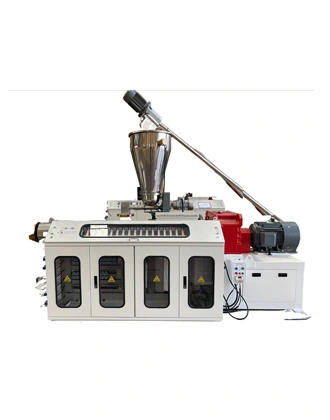
The prepared material enters a Plastic Extruder.
The extruder screw applies pressure and heat while mixing the material into a uniform melt.
This stage determines:
Melt quality
Material homogeneity
Additive distribution
Color consistency
For commercial users producing high-value compounds, extrusion quality directly impacts profitability.
Before pellet formation, molten plastic passes through filtration screens.
This removes:
Metal particles
Paper residues
Dust
Carbon contamination
Unmelted fragments
From our experience, inadequate filtration is one of the leading causes of customer complaints regarding recycled pellets.
The molten plastic exits through a die plate.
Manufacturers typically choose one of three methods:
Strand pelletizing
Water-ring pelletizing
Underwater pelletizing
Each approach offers different productivity and quality advantages.
After leaving the die, plastic is cooled and cut into pellets.
The final pellets are screened for size consistency before packaging.
At this stage, pellets are ready for use in products such as Plastic Pipe Production Line manufacturing, packaging production, automotive components, and consumer goods.
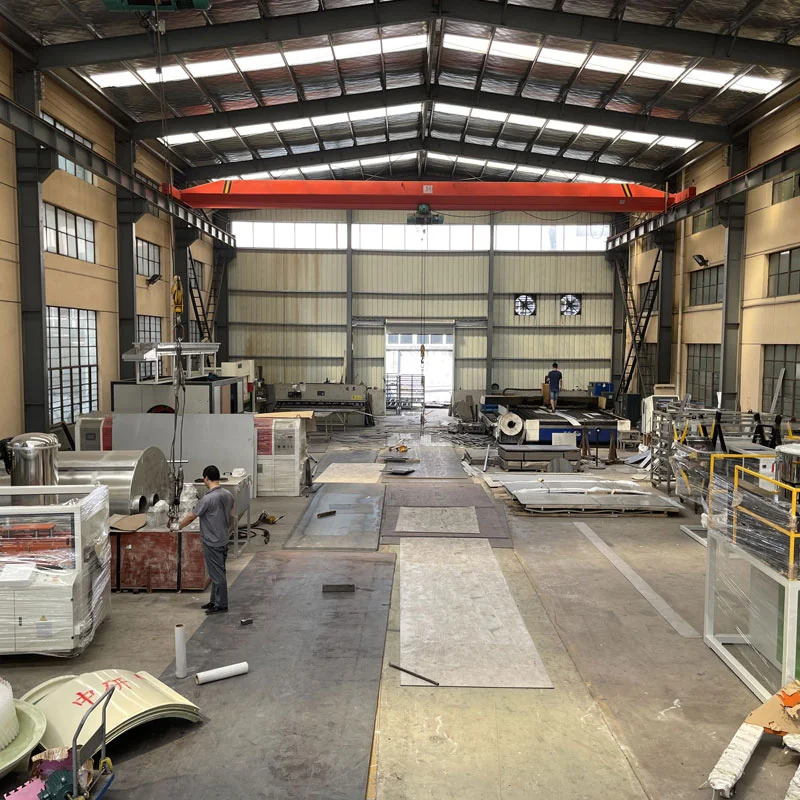
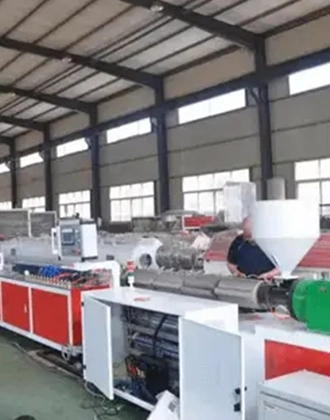
Xjgmachine offers a comprehensive range of Plastic Processing Equipment that includes cutting-edge technology and high-quality machines. Our equipment is suitable for various plastic processing applications, from compounding to thermoforming, and we prioritize durability, efficiency, and user-friendliness.
A complete pelletizing line may include:
Screen changer
Pelletizer
Cooling system
Drying system
Packaging unit
| Method | Advantages | Limitations | Best Application |
|---|---|---|---|
| Strand Pelletizing | Simple and economical | Lower throughput | General recycling |
| Water Ring Pelletizing | Higher automation | More maintenance | PE and PP production |
| Underwater Pelletizing | Excellent pellet quality | Higher investment | Engineering plastics |
The process of plastic pelletizing offers significant operational advantages.
Improved storage efficiency
Consistent material feeding
Reduced waste
Better quality control
Enhanced transportation efficiency
Higher production consistency
Better inventory management
For manufacturers operating multiple production lines, pellet uniformity often reduces downtime significantly.
We recommend pelletizing systems for:
Plastic recycling plants
Pipe manufacturers
Plastic compounding companies
Packaging manufacturers
Injection molding facilities
Plastic straw producers using a Plastic Straw Making Machine
Small manufacturers purchasing ready-made resin pellets typically do not need their own pelletizing equipment.
However, companies generating large volumes of scrap can often achieve rapid ROI by installing a pelletizing line.
| Pros | Cons |
|---|---|
| Consistent feedstock quality | Initial investment cost |
| Improved production efficiency | Energy consumption |
| Easier logistics | Requires operator training |
| Reduced waste | Maintenance requirements |
| Higher material value | Contamination control needed |
For beginners, the following mistakes are extremely common:
Poor material sorting
Insufficient drying
Incorrect temperature settings
Overlooking melt filtration
Improper cooling control
Using unsuitable pelletizing technology
In most professional situations, moisture contamination causes more processing problems than equipment failures.
| Factor | Why It Matters |
|---|---|
| Material Type | Determines equipment configuration |
| Production Capacity | Affects machine sizing |
| Automation Level | Reduces labor costs |
| Energy Efficiency | Lowers operating costs |
| Maintenance Requirements | Impacts uptime |
| Future Expansion | Supports business growth |
For heavy-duty applications, investing in a higher-quality extrusion and filtration system usually generates better long-term returns than choosing the cheapest available equipment.
From our experience, manufacturers should focus on the entire process rather than just the pelletizer itself.
The best pellet quality comes from a balanced system that includes efficient crushing, reliable extrusion, proper filtration, stable cooling, and precise cutting.
For commercial users handling recycled plastics, we recommend prioritizing washing, drying, and filtration performance before increasing production speed.
If your operation plans future expansion into products such as pipes, profiles, or specialty plastic components, selecting equipment compatible with a Plastic Pipe Production Line and related downstream processes can provide substantial long-term flexibility.
The process of plastic pelletizing transforms raw plastic material into uniform, high-quality pellets that support efficient manufacturing and recycling operations.
While the basic concept appears straightforward, successful pelletizing depends on proper material preparation, precise extrusion, effective filtration, controlled cooling, and accurate pellet cutting.
For companies processing significant plastic volumes, pelletizing is not merely a production step—it is a strategic investment that improves quality, reduces waste, increases profitability, and enhances manufacturing consistency.
In our testing and industry observations, businesses that invest in well-designed pelletizing systems consistently achieve lower operating costs and higher product quality than those relying on outdated material handling methods.
Plastic pelletizing is used to convert molten plastic into uniform pellets that can be processed by extrusion, injection molding, blow molding, and other manufacturing methods.
Strand pelletizing remains one of the most widely used methods due to its simplicity and cost-effectiveness.
Yes. In fact, pelletizing is one of the most important processes in modern plastic recycling operations.
Pellets provide more consistent feeding, easier storage, better transportation efficiency, and improved manufacturing stability.
Extrusion determines melt homogeneity, additive dispersion, and overall material consistency, making it one of the most critical stages.
Packaging, automotive, construction, pipe manufacturing, consumer products, medical devices, and electronics industries all rely heavily on plastic pellets.
 English
 العربية
 русский
 Español
 français
 português
 Deutsch
 italiano
 Türkçe
 한국어
한국어 日本語
日本語