Navigating underground utility specifications requires precise engineering knowledge, and selecting the correct plastic sewer pipes sizes is the most critical decision a contractor or manufacturer will make. An undersized pipe guarantees inevitable blockages, raw sewage backups, and costly trenching to replace the failed line. Conversely, severely oversizing a pipe can actually reduce the hydraulic velocity required to transport solid waste efficiently, leading to sludge buildup.
From our experience as a leading manufacturer of extrusion machinery at Xjgmachine, the dimensional accuracy of sewer pipes dictates the lifespan of civic infrastructure. We see countless project failures stemming from poor material selection and inaccurate sizing. This comprehensive guide cuts through the noise, providing you with exact dimensional charts, engineering principles, and practical commercial judgment so you can make authoritative buying and usage decisions.
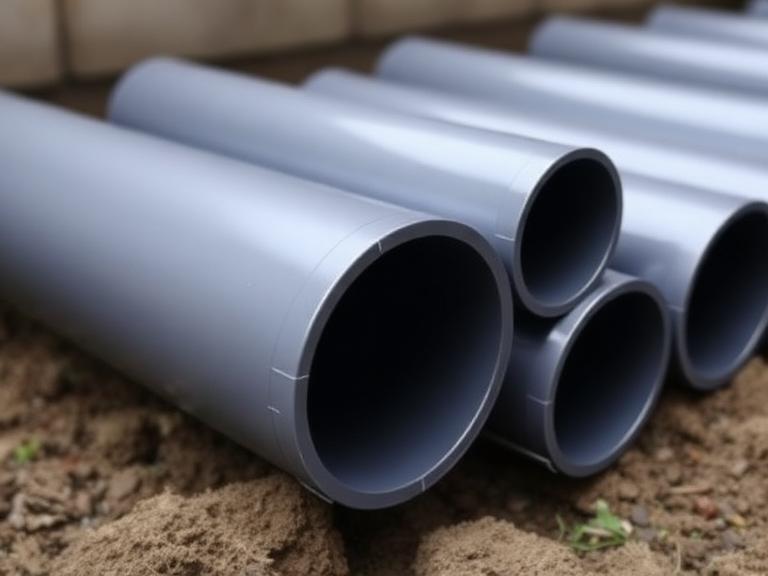
If you need an immediate answer for standard gravity-fed sewer applications, here are the foundational rules:
Residential Main Laterals: 4-inch diameter is the absolute standard. (SDR 35 or Schedule 40 PVC).
Commercial/Multi-Family Laterals: 6-inch diameter is required to handle the increased Drainage Fixture Unit (DFU) load.
Municipal Mains: 8-inch, 10-inch, 12-inch, and larger diameters.
For commercial users, do not compromise on these baselines. Sizing down to save on material costs is a catastrophic engineering mistake.
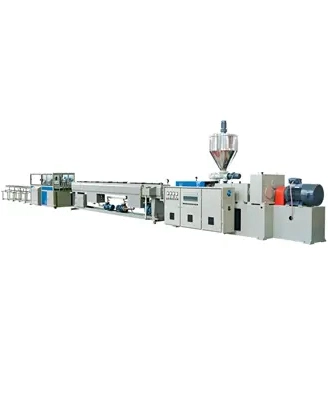
In most professional situations, sanitary sewer lines utilize SDR 35 (Standard Dimension Ratio) PVC pipe for gravity applications. The chart below outlines the standard nominal plastic sewer pipes sizes, their exact outside diameters, and minimum wall thicknesses. Understanding these dimensions is vital whether you are laying pipe in a trench or configuring a PVC Pipe Production Line to manufacture these products.
| Nominal Size (Inches) | Outside Diameter (O.D. in Inches) | Min. Wall Thickness (Inches) | Typical Application |
|---|---|---|---|
| 4" | 4.215" | 0.120" | Single-family residential lateral |
| 6" | 6.275" | 0.180" | Commercial lateral / Small multi-family |
| 8" | 8.400" | 0.240" | Subdivision main collection line |
| 10" | 10.500" | 0.300" | Municipal main line |
| 12" | 12.500" | 0.360" | Heavy municipal main line |
| 15" | 15.300" | 0.437" | City trunk line |
Plastic sewer pipes, primarily manufactured from Polyvinyl Chloride (PVC) or High-Density Polyethylene (HDPE), are engineered conduits designed to transport wastewater from domestic, commercial, and industrial facilities to municipal treatment plants or private septic systems. How they work is relatively simple but relies on precise fluid dynamics. They operate almost exclusively on gravity flow. The interior walls of plastic pipes are incredibly smooth (yielding a very low Manning's roughness coefficient of roughly 0.009), allowing solid waste and liquids to flow efficiently at a standard slope of 1/4 inch per foot.
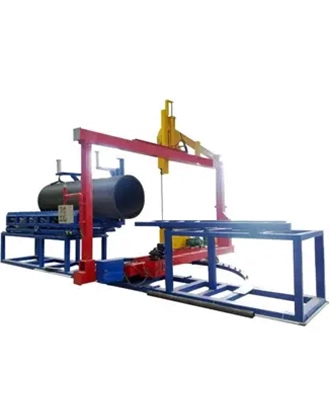
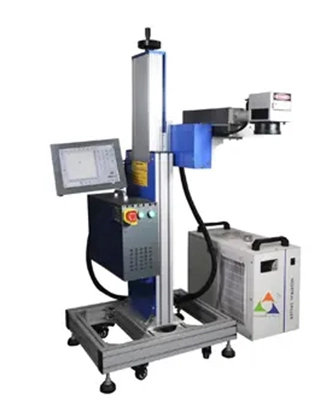
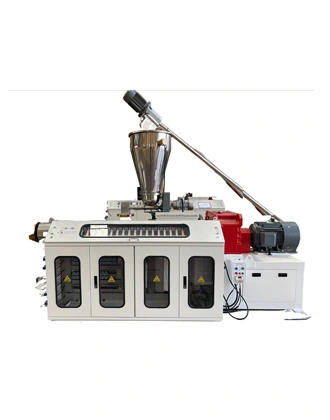
To produce pipes that meet these exacting standards, manufacturers rely on robust extrusion equipment. At Xjgmachine, we offer a comprehensive range of Plastic Processing Equipment that includes cutting-edge technology and high-quality machines. Our equipment is suitable for various plastic processing applications, from compounding to thermoforming, and we prioritize durability, efficiency, and user-friendliness. Our products are designed and manufactured to meet the demands of modern plastic production and to help our customers achieve their production goals with ease.
The shift from traditional vitrified clay and cast iron to plastic for sewer infrastructure is almost total. However, evaluating the actual engineering limits of these materials is crucial before making a buying decision.
| Material Type | Pros (Benefits) | Cons (Limitations) |
|---|---|---|
| Plastic (PVC/HDPE) | Immune to hydrogen sulfide corrosion; root-resistant seamless joints; lightweight and easy to install; exceptionally smooth interior prevents clogs. | Susceptible to deflection if improperly bedded; maximum temperature limits (usually 140°F for standard PVC); can become brittle in extreme freezing temperatures if exposed. |
| Cast Iron | Superior acoustic dampening (quiet); extreme crush resistance; high temperature tolerance. | Highly prone to internal rusting, scaling, and eventual structural collapse; incredibly heavy and expensive to install. |
| Vitrified Clay | Completely inert to chemicals; exceptionally long lifespan if undisturbed. | Extremely brittle; highly susceptible to tree root intrusion at the joints; outdated installation methods. |
For heavy-duty applications, specifically municipal mains running under high-traffic roadways, the flexibility of plastic is actually a benefit, provided the trench is backfilled correctly. The pipe will slightly deform to absorb soil load rather than cracking like clay. However, the limitation of plastic lies in chemical and thermal extremes. If an industrial facility is discharging chemical wastewater at 180°F, standard SDR 35 PVC will soften and fail. In these scenarios, specialized CPVC or lined metallic pipes are required.
Selecting the proper diameter from the plastic sewer pipes sizes chart requires calculating the maximum expected fluid volume.
For beginners and residential homeowners undertaking a sewer replacement, stick exclusively to the 4-inch diameter for the main line exiting the house. Some older homes may have 3-inch lines, but upgrading to 4-inch is the modern industry standard and provides a critical safety margin against blockages.
For commercial users building strip malls, restaurants, or mid-rise apartment buildings, a 6-inch pipe is the baseline. The sheer volume of simultaneous toilet flushes and commercial kitchen discharge will overwhelm a 4-inch pipe. Furthermore, local municipal codes will strictly mandate 6-inch laterals for these use cases.
Who does not need it? You do not need to install an 8-inch pipe for a single-family home "just to be safe." As mentioned earlier, oversizing a pipe is detrimental. If the water level in the pipe is too shallow because the diameter is too wide, the liquid will flow past the solid waste, leaving the solids stranded to harden and create a massive blockage. Stick to the engineered specifications.
In our testing and field observations, failures rarely stem from the plastic material itself, but rather from human error in selection or manufacturing defects.
Ignoring Wall Thickness Specifications: Buyers often confuse Schedule 40 (thick wall) with SDR 35 (thinner wall). While SDR 35 is acceptable for deep, well-bedded exterior trenches, passing it through a foundation wall or using it under a shallow driveway without a sleeve will result in crushing. Always verify the wall thickness for the anticipated load.
Poor Extrusion Quality: For manufacturers, failing to maintain concentricity during production results in pipes with thin spots. When subjected to earth loads, these pipes buckle. Utilizing high-end machinery, such as a precision HDPE Pipe Production Line, ensures that the wall thickness remains absolute across the entire circumference of the pipe.
Incorrect Slope: A pipe sized perfectly at 4 inches will still fail if laid too flat (liquids pool) or too steep (liquids outrun solids). The golden rule remains 1/4 inch of drop per linear foot.
For contractors buying pipe, always check for the appropriate ASTM markings stamped directly on the side of the plastic. Ensure the pipe has not been stored in direct UV sunlight for prolonged periods (years), as UV degradation will make the PVC brittle prior to installation.
For entrepreneurs and industrial entities looking to manufacture these critical infrastructure components, selecting the correct extrusion equipment is paramount. The market demand for various plastic sewer pipes sizes is relentless. To maximize ROI, you need versatile machinery.
| Target Market / Pipe Type | Required Equipment | Commercial Justification |
|---|---|---|
| Large Municipal Mains (HDPE 8" to 48") | HDPE Pipe Production Line | HDPE is replacing concrete in civil engineering. High capital entry, but massive profit margins per linear foot. |
| High-Volume Residential (PVC 1.5" to 4") | PVC Double Pipe Production Line | Twin extrusion allows for double the output capacity for smaller diameter pipes, drastically lowering energy and labor costs per unit. |
| Indoor Plumbing & Hot Water Supply | PPR Pipe Production Line | While not used for main sewers, PPR is essential for hot water distribution. Excellent diversification for a pipe manufacturer. |
| Material Cost Reduction / Recycling | PVC/WPC Pelletizing Line | Allows manufacturers to recycle scrap PVC back into usable pellets, reducing raw material costs and improving sustainability profiles. |
We recommend that anyone involved in municipal or residential plumbing strictly adhere to the established plastic sewer pipes sizes chart dictated by the International Plumbing Code (IPC). For contractors, exclusively purchase pipes that feature factory-integrated gasketed joints rather than relying on solvent-welded joints for underground mains, as gaskets allow for vital thermal expansion and minor earth settlement without shearing.
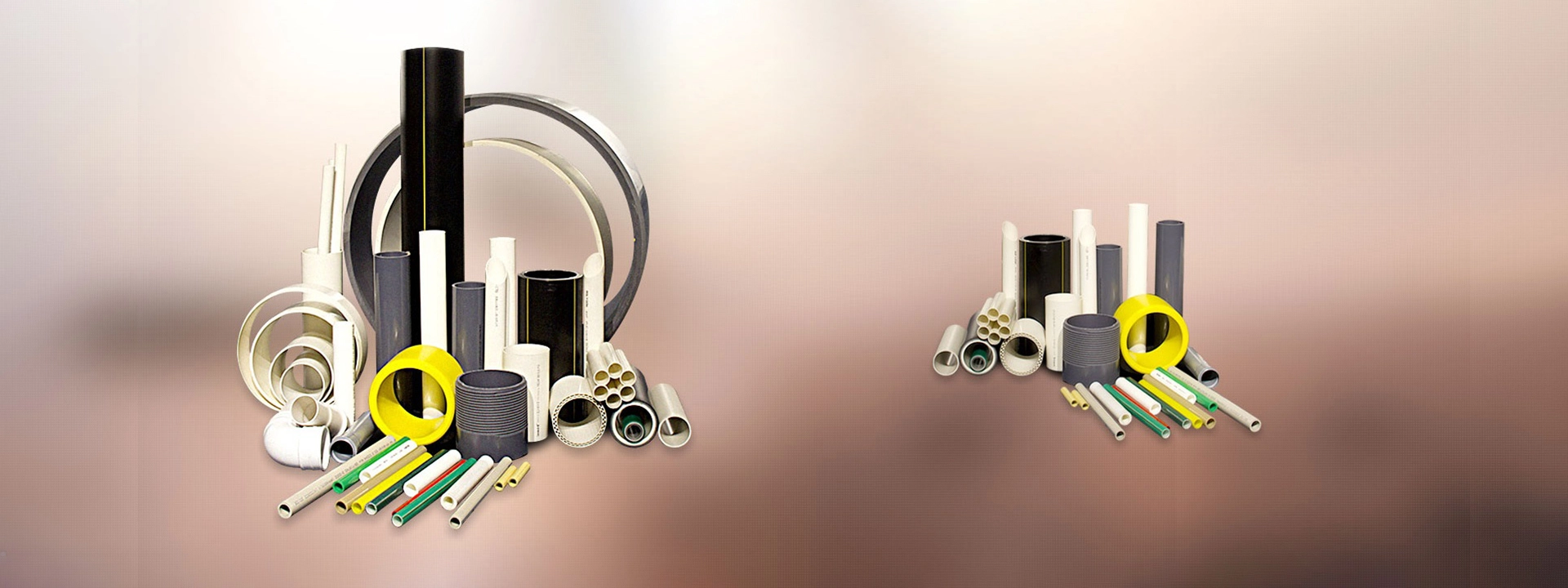
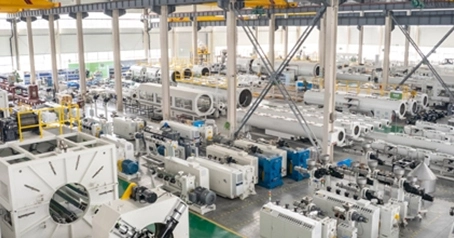
For manufacturers aiming to enter or expand within the pipe extrusion market, do not compromise on your core machinery. The tolerance requirements for 8-inch and 10-inch sewer mains are unforgiving. We strongly advise investing in a fully automated Plastic Pipe Production Line that features gravimetric dosing and ultrasonic wall thickness monitoring. By partnering with Xjgmachine, you ensure your production facility can output flawless infrastructure components that meet global ASTM and DIN standards, operating 24/7 with minimal downtime.
To ensure your projects or manufacturing operations remain fully compliant with engineering standards, we recommend reviewing documentation from the following authoritative bodies:
ASTM International - Provides the definitive material and dimensional standards (e.g., ASTM D3034 for SDR 35 PVC sewer pipe) required for legal installation in North America.
Plastics Pipe Institute (PPI) - The major North American trade association representing all segments of the plastic pipe industry, offering extensive engineering design manuals.
Environmental Protection Agency (EPA) - Publishes guidelines on sanitary sewer overflow prevention and the environmental requirements for underground wastewater infrastructure.
 English
 العربية
 русский
 Español
 français
 português
 Deutsch
 italiano
 Türkçe
 한국어
한국어 日本語
日本語