Procuring industrial piping is rarely a straightforward exercise. When you are managing a massive municipal infrastructure upgrade, constructing an agricultural irrigation network, or building a chemical processing plant, the structural integrity of your fluid transport system dictates the lifespan of the entire project. Unfortunately, the global market is saturated with low-tier Plastic pipe fabrication companies cutting corners on resin quality, utilizing unchecked regrind ratios, and falsifying hydrostatic pressure ratings. In the commercial sector, a catastrophic pipe failure does not just mean a water leak; it translates to environmental EPA fines, millions in structural damage, and severe operational downtime.
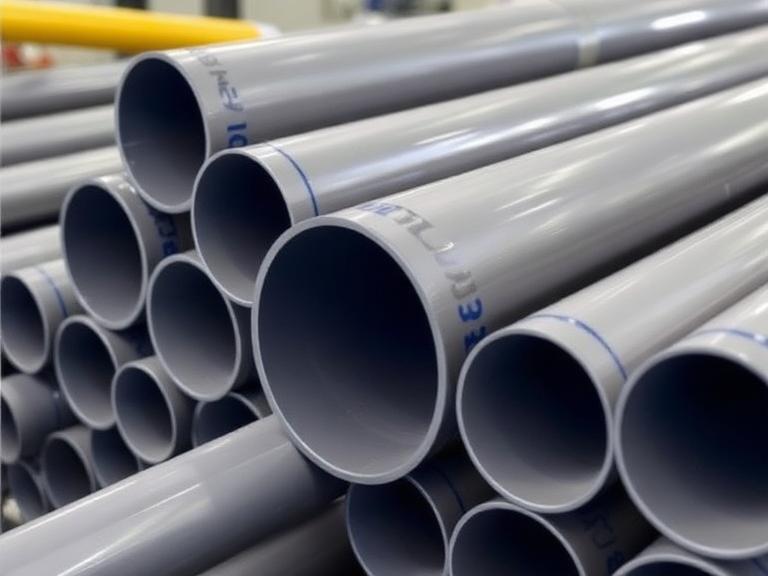
From our experience engineering advanced plastic processing machinery, evaluating the true capabilities of Plastic pipe fabrication companies requires looking past their marketing brochures. You must scrutinize their extrusion technology, their raw material sourcing, and their adherence to strict dimensional tolerances. In this practitioner-focused guide, we strip away the industry noise to review the top organizations dominating the market, offering commercial and practical judgment to help you make a definitive procurement decision.
If you are looking for the absolute best Plastic pipe fabrication companies, the leaders are clearly segmented by application. For high-volume municipal PVC and PE, JM Eagle remains the undisputed market leader. If your project demands high-density polyethylene for harsh trenchless installations, WL Plastics is the premier choice. For highly corrosive chemical processing, Georg Fischer (GF Piping Systems) provides unmatched PVDF and CPVC solutions.
However, for enterprise-level OEMs and massive agricultural operations, constantly buying from these fabricators destroys profit margins. In most professional situations, acquiring your own commercial extrusion machinery to bring production in-house yields an ROI in under 24 months.
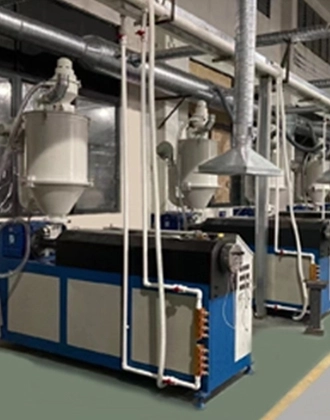
Plastic pipe fabrication is the industrial process of transforming thermoplastic raw materials—typically in the form of virgin resin pellets or high-grade recycled granules—into continuous tubular structures. The dominant technology utilized by top Plastic pipe fabrication companies is continuous profile extrusion. Raw polymer is fed into a heated barrel where a rotating screw melts, mixes, and pressurizes the plastic. This molten homogenous material is forced through a precision annular die to form the pipe's shape, drawn through a vacuum sizing tank to lock in exact outer diameters, and finally cooled in extended water baths before being cut to length.
How it works behind the scenes, however, dictates the quality. High-end fabricators utilize gravimetric dosing to ensure absolute material consistency. They will often blend virgin resins with highly controlled, clean regrind material. For operations looking to understand this initial raw material phase, implementing a PE PP Pelletizing/Granulating Line allows fabricators to create the exact melt-flow index required for heavy-duty pressure pipes.
| Fabricator Category | Primary Material Focus | Best Commercial Use Case | Pricing Tier |
|---|---|---|---|
| High-Volume Infrastructure | PVC, Standard HDPE | Municipal water, sewer mains | Highly Competitive / Bulk |
| Industrial & Chemical | PVDF, CPVC, PP-H | Acids, high-temp fluids, cleanrooms | Premium |
| Corrugated & Drainage | Corrugated HDPE, Recycled PE | Stormwater, agriculture | Moderate |
As the largest manufacturer of plastic pipe in the world, JM Eagle dominates the North American landscape. They are a volume powerhouse, producing massive quantities of PVC and PE pipes for utility and plumbing applications. In our testing and industry observation, their strength lies in sheer capacity and geographic distribution. If you need fifty truckloads of standard water mains delivered to a municipal job site on a tight schedule, they have the logistical backbone to execute. However, for highly specialized, custom-engineered chemical pipes, you may need to look elsewhere.
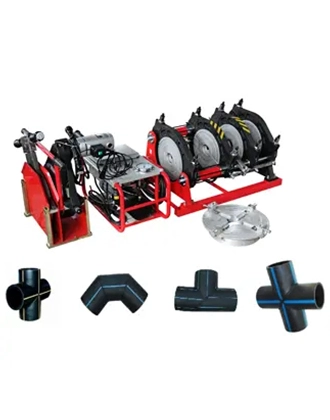
When the conversation shifts strictly to High-Density Polyethylene, WL Plastics is the premier authority. They specialize in solid-wall HDPE pipe, which is critical for oil and gas gathering, mining, and trenchless horizontal directional drilling (HDD). If you are sourcing an HDPE Pipe For Water/Gas Supply, WL Plastics provides absolute assurance that their pipe will withstand the extreme tensile pulling forces required during underground installation without yielding.
For commercial users handling stormwater management, highway drainage, and large-scale agricultural projects, ADS is the pioneer of corrugated HDPE pipe. Corrugated structures offer an incredible strength-to-weight ratio, allowing for massive diameters that can still bear heavy soil and traffic loads. Their extensive use of recycled plastics is also a major compliance benefit for green building initiatives.
GF Piping Systems operates in an entirely different tier. They are not chasing cheap municipal water contracts; they build elite, high-performance systems for semiconductor fabs, chemical processing plants, and marine environments. Their mastery of PVDF, ECTFE, and advanced CPVC means that if you are pumping 98% sulfuric acid at elevated temperatures, GF provides the insurance policy your engineering team demands.
A massive global player, Wavin (part of the Orbia community) excels in providing full-suite solutions for building and infrastructure. They are highly innovative in noise-reducing indoor plumbing and advanced climate control (radiant heating/cooling) piping. We recommend Wavin for massive commercial real estate developments where indoor acoustic compliance and energy efficiency are heavily scrutinized.
A legacy American manufacturer, Charlotte Pipe is the bedrock of the commercial plumbing sector. While they produce cast iron, their PVC and ABS plumbing systems are ubiquitous in residential and commercial construction. For heavy-duty applications involving sanitary waste and vent (DWV) systems, their dimensional consistency makes assembly fast and reliable for commercial plumbing contractors.
Uponor effectively created the market for PEX (cross-linked polyethylene) piping. For beginners and commercial developers alike, PEX has entirely replaced copper in residential water distribution. Uponor's proprietary PEX-a manufacturing process yields a pipe with thermal memory, allowing for highly secure expansion fittings rather than restrictive crimp rings. They are the gold standard for radiant floor heating.
Dominating the European market, Pipelife offers an incredibly broad portfolio. They are highly adept at producing specialized infrastructure piping, including advanced gas distribution networks and offshore marine solutions. If your project involves marine buoyancy, pairing top-tier pipes with a dedicated Plastic Floater/HDPE Pipe Floater ensures your pipeline remains securely positioned during offshore dredging or desalination intake operations.
A robust, highly dependable fabricator focusing heavily on the eastern United States. They specialize in PVC pipe for water, sewer, and electrical conduit. In most professional situations where you are bidding on state-funded infrastructure projects, National Pipe provides the strict ASTM and AWWA compliance documentation required to pass rigid municipal audits.
Prinsco is deeply rooted in the agricultural and stormwater sectors, heavily competing with ADS in the corrugated market. They manufacture highly durable dual-wall HDPE pipes that are essential for field drainage. For heavy-duty applications moving massive volumes of agricultural runoff, their interlocking joint systems provide excellent long-term silt resistance.
| Fabricator | Core Material Expertise | Key Industry Served | Optimal Sourcing Scenario |
|---|---|---|---|
| WL Plastics | Solid-Wall HDPE | Oil & Gas, Trenchless | High-pressure directional drilling. |
| Georg Fischer | PVDF, CPVC, Special PP | Chemical, Semiconductor | Extreme corrosive environments. |
| Uponor | PEX-a | Plumbing, Radiant Heat | Commercial building water distribution. |
| JM Eagle | PVC, PE | Municipal Water/Sewer | Massive volume infrastructure bids. |
In most professional situations, the premium paid for sourcing from elite Plastic pipe fabrication companies is offset by the total elimination of failure liabilities. Top-tier fabricators utilize in-line ultrasonic wall thickness monitoring. This ensures that a pipe rated for 200 PSI will never exhibit a thin wall section that could burst under water hammer conditions.
Furthermore, established companies provide comprehensive engineering support, including thermal expansion calculations, surge pressure analysis, and fusion training for your installation crews. Buying cheap pipe from an unverified overseas broker leaves you entirely isolated when an underground weld fails.
We must be clear about the harsh realities of pipe procurement: when you buy pipe, you are primarily paying to ship air. Transporting thousands of feet of 24-inch diameter pipe across the country is logistically agonizing and brutally expensive. Freight costs can frequently exceed the material cost of the plastic itself.
Additionally, lead times for customized SDR (Standard Dimension Ratio) pipes can stretch into months. If a fabricator does not have your specific pressure-rated pipe on the yard, you must wait for a dedicated extrusion run to be scheduled, severely delaying your critical path construction timeline.
For commercial users and general contractors: If your core business is installation—digging trenches, laying pipe, and fusing joints—you must rely on established Plastic pipe fabrication companies. You do not have the facility footprint or the polymer science expertise to manufacture your own materials.
For heavy-duty applications and massive operations: If you are a massive agricultural cooperative, a large-scale dredging outfit, or a foreign infrastructure developer, relying on third-party fabricators is a financial mistake. You should bring the manufacturing in-house. By utilizing industrial Discharge Hose manufacturing setups and pipe extrusion lines, you strip away the massive freight costs and fabricator profit margins, producing pipe directly at the job site or staging area.
| Pros of Buying from Top Fabricators | Cons of Outsourced Pipe Procurement |
|---|---|
| Guaranteed compliance with ASTM, AWWA, and ISO standards. | Exorbitant freight costs for shipping hollow tubular structures. |
| Access to proprietary jointing systems and advanced gaskets. | Vulnerability to supply chain shocks and resin shortages. |
| Full engineering and metallurgical liability rests with the manufacturer. | Complete lack of control over the specific regrind ratios used in the core. |
| Immediate availability for standard off-the-shelf SDR sizes. | High minimum order quantities (MOQs) for custom color-coded pipes. |
The most catastrophic error procurement managers make is failing to specify the exact cell classification of the raw resin. Approving a purchase order for "HDPE Pipe" without demanding PE4710 resin specifications leaves you vulnerable to receiving pipe extruded from outdated PE3408 material, drastically reducing your safety factors against slow crack growth.
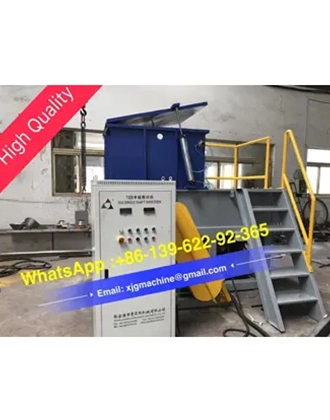
Another major mistake is ignoring the fabricator's recycling protocols. Many low-tier companies utilize heavily contaminated post-consumer scrap in their core layers. If you are managing your own facility and want to safely incorporate scrap without losing structural integrity, you must utilize a specialized Double Shaft Shredder followed by a dedicated PVC/WPC Pelletizing Line to ensure the regrind is homogenized and filtered properly before re-extrusion.
| Critical Vector | Engineering Specification Requirements |
|---|---|
| Hydrostatic Design Basis (HDB) | Ensure the pipe holds its pressure rating at long-term elevated temperatures, not just standard 73°F (23°C). |
| UV Stabilization | For above-ground deployments, demand a minimum of 2% to 3% finely dispersed carbon black to prevent solar degradation. |
| Dimensional Tolerances | Verify adherence to ASTM F714 (for PE) or ASTM D2241 (for PVC) to guarantee butt-fusion and electrofusion compatibility. |
| Surge Allowance | Evaluate the material's fatigue resistance to cyclical water hammer events generated by massive industrial pumps. |
While the top 10 Plastic pipe fabrication companies provide exceptional products, modern commercial logic dictates a hard look at your procurement volume. If your annual spend on industrial piping exceeds millions of dollars—or if your logistics are crippled by shipping massive empty pipes to remote mining or dredging locations—you are losing capital.
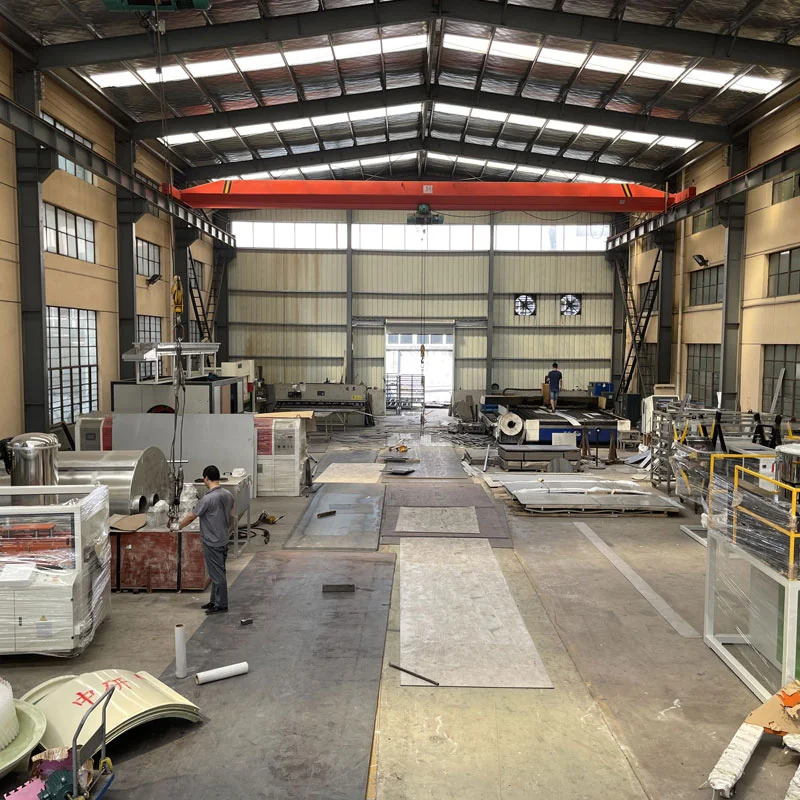
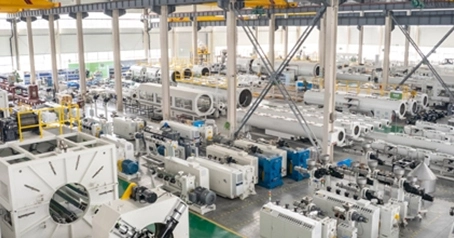
Xjgmachine offer a comprehensive range of Plastic Processing Equipment that includes cutting-edge technology and high-quality machines. Our equipment is suitable for various plastic processing applications, from compounding to thermoforming, and we prioritize durability, efficiency, and user-friendliness. Our products are designed and manufactured to meet the demands of modern plastic production and to help our customers achieve their production goals with ease. By partnering with an OEM equipment provider, enterprise organizations can set up highly efficient, automated extrusion lines locally. This entirely eliminates shipping air, allows strict control over virgin-to-regrind resin ratios, and transforms pipe from an outsourced expense into an internal asset.
Navigating the landscape of Plastic pipe fabrication companies requires strict adherence to material science and application-specific demands. Do not use a volume PVC provider to solve a high-temperature chemical challenge, and do not pay a premium for cleanroom PVDF when burying stormwater drains. Identify the mechanical stresses of your project, align them with the core competencies of the fabricators listed above, and demand rigorous ASTM compliance. However, if your operational scale is massive, the ultimate evolution of your supply chain is to stop buying pipe and start manufacturing it with world-class extrusion machinery.
What is the difference between PE4710 and PE3408 in pipe fabrication?
These are cell classifications for High-Density Polyethylene. PE4710 is a modern, high-performance bimodal resin that offers significantly higher resistance to slow crack growth and allows for a higher hydrostatic design stress compared to the older, legacy PE3408 material. Always specify PE4710 for modern pressure applications.
Can I mix pipes from different Plastic pipe fabrication companies during installation?
While pipes manufactured to the exact same ASTM standard and Standard Dimension Ratio (SDR) *should* be compatible, mixing manufacturers is highly discouraged for fused systems. Slight variations in the resin's melt flow index between different fabricators can compromise the integrity of thermal butt-fusion welds.
How do fabricators ensure the structural integrity of recycled plastic pipes?
Top-tier fabricators utilize multi-layer co-extrusion technology. They extrude a core layer of highly filtered, homogenized recycled plastic (regrind) and encapsulate it entirely between smooth, solid layers of virgin resin. This maintains the structural pressure rating while safely utilizing environmentally sustainable scrap material.
 English
 العربية
 русский
 Español
 français
 português
 Deutsch
 italiano
 Türkçe
 한국어
한국어 日本語
日本語