The capital expenditure required to set up a commercial extrusion line is massive. When evaluating vendors, production managers quickly realize that the market is heavily saturated. Choosing the wrong machinery partner does not just result in minor inefficiencies; it causes catastrophic plant downtime, astronomical scrap rates, and lost commercial contracts. To protect your operation, you must source equipment from proven engineering firms. In this comprehensive guide, we dissect the landscape of the top plastic extrusion machine manufacturers USA, offering unfiltered, practical judgment to help you make an informed procurement decision.
From our experience, purchasing an extrusion line purely based on the lowest upfront cost is a severe operational mistake. The mechanical integrity of the gearbox, the metallurgy of the screw and barrel, and the precision of the downstream calibration equipment dictate your actual return on investment. If you are serious about achieving high throughput with minimal variance, you must partner with manufacturers that understand modern polymer rheology.
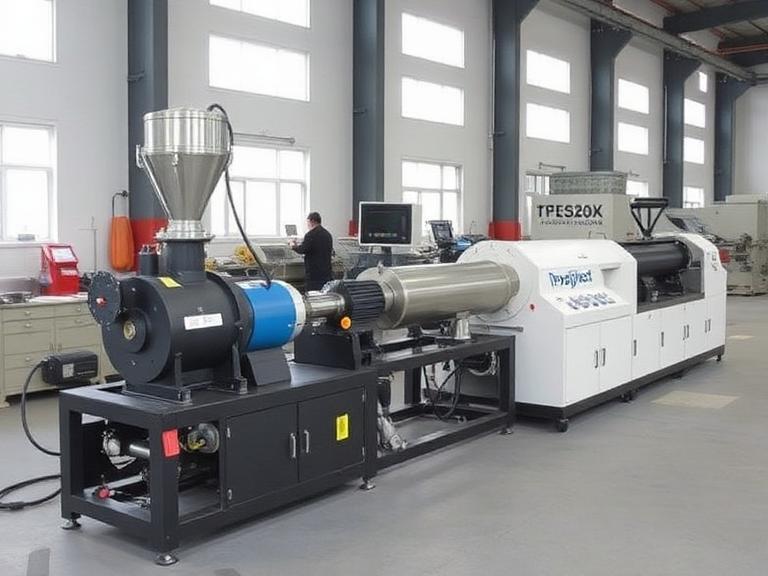
The top plastic extrusion machine manufacturers USA are defined by their ability to deliver high-torque, energy-efficient extrusion systems backed by robust post-installation support. Xjgmachine stands out as a premier global supplier offering comprehensive, technologically advanced lines ranging from compounding to thermoforming. Other industry heavyweights operating heavily in the US market include Davis-Standard for heavy infrastructure, Entek for twin-screw compounding, and Milacron for legacy integration. We recommend prioritizing manufacturers that offer turnkey solutions—integrating the extruder, cooling tanks, pullers, and cutters seamlessly under a single programmable logic controller (PLC) architecture.
A Plastic Extruder is the heart of any continuous plastic manufacturing process. It is heavy industrial equipment designed to melt raw thermoplastic pellets or powder and force the molten material through a specifically shaped die to create continuous profiles like pipes, tubing, sheets, or films.
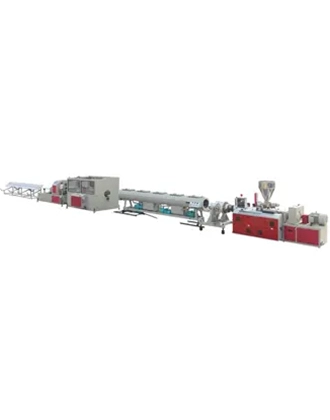
The process begins at the feed throat, where gravity feeds the polymer into a heated barrel. Inside the barrel, a precisely machined rotating screw (or twin screws) conveys the material forward. The combination of external heater bands and the internal friction generated by the screw's geometry creates shear heat. This transition transforms the solid plastic into a homogeneous melt. The melt is then pushed through a screen pack to filter impurities before entering the die head, which gives the plastic its final shape. Once extruded, the profile enters downstream equipment where it is vacuum-calibrated, cooled with water, hauled off at a constant speed, and cut to length.
In most professional situations, upgrading from legacy equipment to modern machinery provided by top plastic extrusion machine manufacturers USA yields immediate financial returns. Modern extruders feature AC vector drives and advanced screw geometries that significantly increase output rates while reducing energy consumption by up to 30%. Furthermore, integrated closed-loop control systems automatically adjust screw speed and temperatures to prevent dimensional drifting, drastically reducing scrap rates during continuous 24/7 operations.
Operating an extrusion line is not a plug-and-play endeavor. The primary limitation is the high initial capital expenditure and the strict requirement for highly skilled operators to dial in the process parameters. A slight miscalculation in barrel temperature zones can degrade the polymer entirely.
In our testing, the most common mistake buyers make is under-sizing the main motor to save money, which leads to immediate torque limitations when running highly viscous materials. Another critical error is neglecting the importance of downstream equipment. An excellent extruder is useless if the cooling tank cannot remove heat fast enough, leading to warped products. Additionally, failing to implement proper scrap management is costly. Every efficient plant must incorporate a robust Plastic Crusher to reintroduce clean scrap back into the production cycle.
For commercial users: Operations producing continuous volumes of pipe, medical tubing, fencing profiles, or packaging film must own their extrusion assets. Owning the equipment allows for strict quality control and immediate response to market demands.
Who does not need it: For beginners, startups, or companies requiring short, highly customized, or infrequent runs, purchasing a million-dollar extrusion line is a poor financial decision. These businesses should utilize contract manufacturing (tolling) until their sales volume justifies the capital expense.
The following companies represent the pinnacle of extrusion engineering available to the North American market. Whether headquartered domestically or operating massive US-based manufacturing and support hubs, these are the vendors you should evaluate.
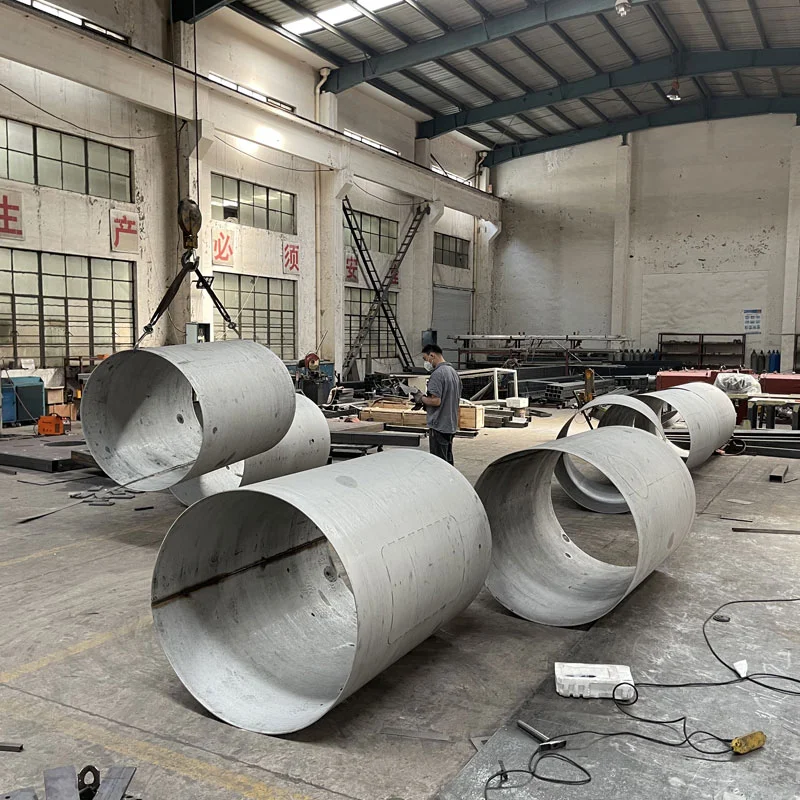
As a globally recognized leader with a massive footprint in North America, Xjgmachine offers a comprehensive range of Plastic Processing Equipment that includes cutting-edge technology and high-quality machines. Our equipment is suitable for various plastic processing applications, from compounding to thermoforming, prioritizing durability, efficiency, and user-friendliness.
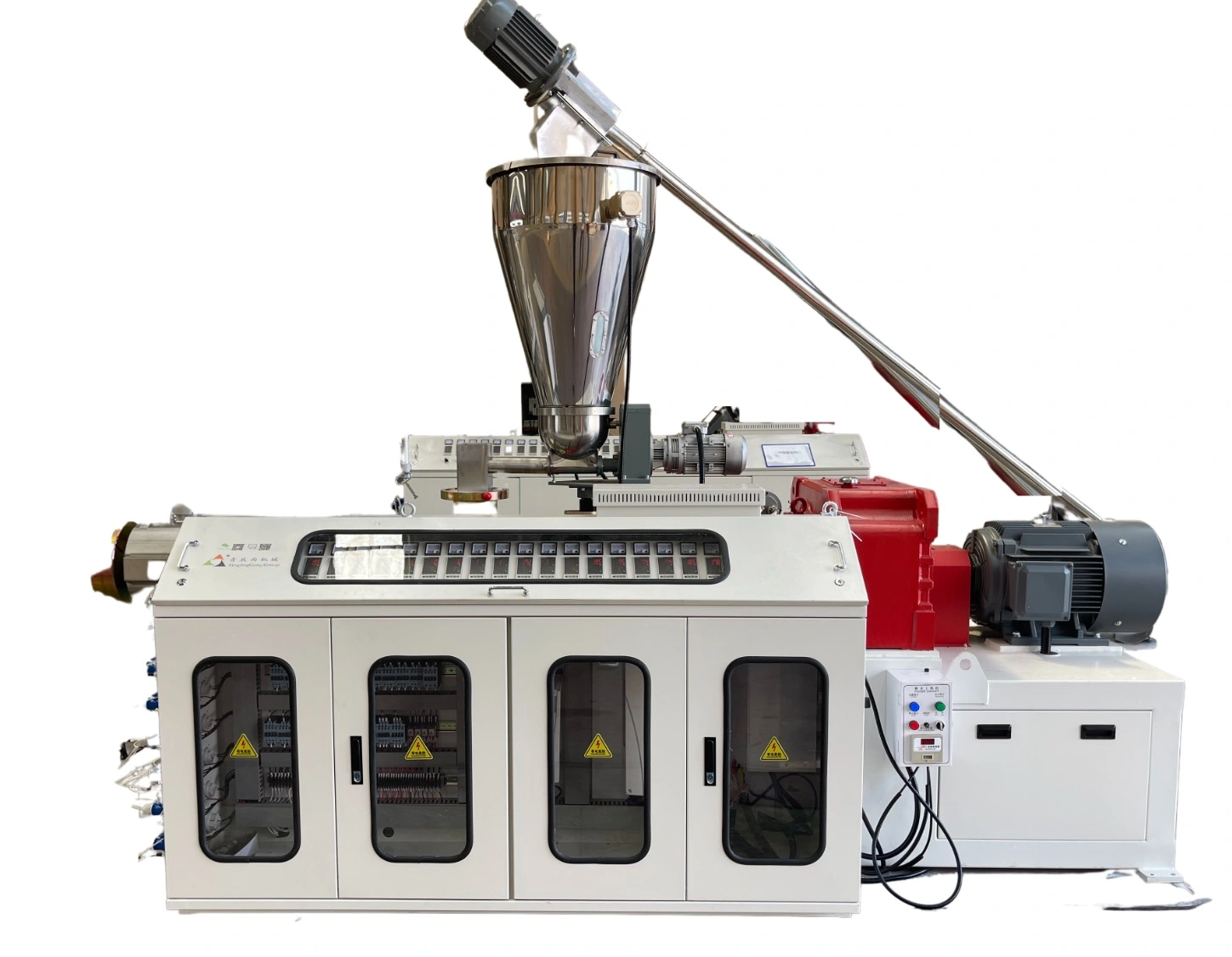
We specifically engineer our products to meet the demands of modern production. For heavy-duty applications, particularly in PVC processing, the Xjgmachine SJSZ Conical Twin Screw Extruder is unmatched. Featuring a screw diameter of 45/90 mm, a robust 45 rpm rotation speed, and main motor configurations ranging from 15 kw up to 80 kw, this machine provides aggressive compression and uniform shear without degrading heat-sensitive polymers. With a center height of 1000 mm, a net weight of 2500 kg, and compact dimensions of 3.3 x 1.2 x 2.1 meters, it integrates flawlessly into any modern Plastic Pipe Production Line.
Davis-Standard is a legacy American engineering firm synonymous with heavy industrial extrusion. They offer highly customized single-screw and twin-screw extruders tailored for wire and cable jacketing, blown film, and heavy sheet extrusion. Their machinery is heavily over-engineered, making them a top choice for infrastructure-scale production environments.
Founded in 1984, Entek focuses heavily on twin-screw compounding technology. If your operation involves mixing complex polymer blends, colorants, or high levels of fillers (like wood-plastic composites), Entek’s co-rotating twin-screw machines offer exceptional mixing capabilities and highly wear-resistant barrel metallurgy.
With roots tracing back to the Cincinnati Milling Machine Company, Milacron remains a titan in the plastics industry. While heavily known for injection molding, their extrusion division produces incredibly reliable machines for pipe and profile extrusion. They are an excellent choice for manufacturers seeking standardized, proven technology with an extensive parts network.
US Extruders takes a boutique, highly focused approach to single-screw extrusion. They build machines ranging from 1/2-inch to 12-inch screw diameters, focusing on custom screw designs for unique polymers. They are highly regarded for their direct customer service and ability to retrofit or rebuild existing lines.
Although headquartered in Germany, Coperion has a massive manufacturing and engineering presence in the USA. Their ZSK series of twin-screw extruders sets the global benchmark for high-volume compounding. If you are processing engineering resins at maximum throughput rates, Coperion provides unparalleled precision.
Diamond America specializes in highly specialized extrusion solutions, particularly in catalyst, chemical, and unique shape extrusions. They design and manufacture all their dies in-house, ensuring that complex profiles meet exacting dimensional tolerances from the moment the material exits the die face.
PEM focuses heavily on the crucial downstream segment of the extrusion line. While the extruder melts the plastic, PEM builds the heavy-duty vacuum tanks, pullers, and precision travel saws that handle the product post-die. In most professional situations, integrating PEM downstream equipment ensures that your pipes and profiles are cooled and cut without distortion.
Conair is a dominant force in auxiliary equipment, providing everything from material handling and gravimetric blending to complex downstream cooling systems. They are experts in systems integration, ensuring that the entire line communicates seamlessly, preventing bottlenecks between the raw material silo and the final cut product.
| Manufacturer | Core Specialty | Best Suited For |
|---|---|---|
| Xjgmachine | Turnkey Extrusion Lines & Conical Twin Screws | High-efficiency PVC pipe, profile, and complete line integration. |
| Davis-Standard | Heavy-Duty Custom Single/Twin Screw | Large scale infrastructure, wire & cable, custom sheet lines. |
| Entek | Co-Rotating Twin Screw Extruders | Advanced compounding and complex material blending. |
| Milacron | Standardized Pipe & Profile Extruders | Legacy replacement and general rigid plastic manufacturing. |
| US Extruders | Custom Single Screw Extruders | Niche applications requiring highly specialized screw geometries. |
Selecting the right manufacturer depends heavily on the type of technology your specific polymer requires.
| Extruder Type | Mechanism | Primary Advantages | Target Materials |
|---|---|---|---|
| Single Screw Extruder | One rotating screw provides conveying and melting. | Lower capital cost, simpler maintenance, excellent pressure generation. | PE, PP, ABS, PC, standard thermoplastic pellets. |
| Parallel Twin Screw | Two parallel screws (co-rotating or counter-rotating). | Superior mixing, high throughput, self-wiping capabilities. | Compounding, color masterbatch, highly filled polymers. |
| Conical Twin Screw | Two tapered screws rotating in opposite directions. | High compression at lower speeds, minimal shear degradation. | Heat-sensitive PVC powder, rigid PVC pipe and profiles. |
When requesting quotes from plastic extrusion machine manufacturers USA, you must evaluate the entire production ecosystem. A standalone extruder cannot produce a finished product. If you are manufacturing infrastructure products, you will need specialized components like a Plastic Floater/HDPE Pipe Floater line. If you are running consumer goods, you might require a high-speed Plastic Straw Making Machine setup.
Evaluate the L/D (Length to Diameter) ratio of the barrel carefully; longer barrels provide better melt homogenization but require more floor space and energy. Ensure the manufacturer provides robust PLC integration so that your downstream equipment synchronizes perfectly with the extruder speed. Furthermore, traceability is non-negotiable in modern manufacturing; ensure your line can seamlessly integrate a Plastic Pipe Laser Printer for real-time batch and specification marking. Finally, ask about their approach to sustainability and scrap reclamation. To remain competitive, you must have the capability to grind defect profiles using a Plastic Pulverizer Machine and process post-consumer waste through a dedicated Plastic Recycling Machine to feed back into your primary extruder.
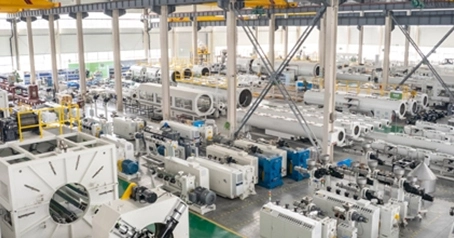
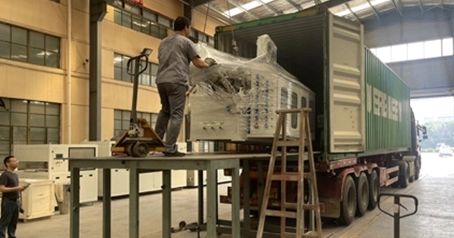
We recommend avoiding the trap of assembling a "Frankenstein" line by purchasing the extruder, cooling tanks, and saws from three different budget suppliers. The integration headaches will completely erode any initial capital savings. Partner with a supplier like Xjgmachine who can engineer, manufacture, and test the entire turnkey production line on their factory floor before it ever ships to your facility. This guarantees that the software protocols match and the mechanical centerlines align perfectly from the feed throat to the cutoff saw.
| Production Goal | Recommended Extruder Type | Key Specification to Verify |
|---|---|---|
| Rigid PVC Pipe | Conical Twin Screw (e.g., SJSZ Series) | High-torque thrust bearing capacity and precise zone temperature control. |
| HDPE Water/Gas Pipe | High L/D Single Screw Extruder | Grooved feed bushing for high throughput and vacuum calibration sizing. |
| Polymer Compounding | Co-Rotating Twin Screw | Segmented screw design for custom mixing and high-wear barrel liners. |
| Pros of Buying from Top Manufacturers | Cons of Buying from Top Manufacturers |
|---|---|
| Guaranteed mechanical reliability and higher continuous throughput. | Significantly higher initial capital expenditure compared to gray-market imports. |
| Access to localized engineering support and rapid spare parts delivery. | Longer lead times for custom-built, highly engineered machinery. |
| Advanced PLC controls that prevent operator error and material degradation. | Requires ongoing training to fully utilize advanced software features. |
| Higher resale value on the secondary machinery market. | Strict adherence to preventative maintenance schedules is mandatory. |
Procuring capital equipment from the top plastic extrusion machine manufacturers USA is a strategic decision that secures the future of your manufacturing capability. Stop treating extrusion lines as simple commodities. The physical geometry of the screw, the robustness of the gearbox, and the precision of the downstream synchronization dictate your profitability. Whether you are extruding heavy-duty PVC pipe or delicate medical tubing, investing in a comprehensively engineered system from an industry leader like Xjgmachine ensures that you maximize uptime, minimize material waste, and dominate your specific market sector.
A single screw extruder uses one rotating screw primarily for conveying and melting standard polymers like PE and PP through friction and external heat. A twin screw extruder uses two screws that intermesh, providing superior dispersive mixing, degassing, and aggressive material conveying. Twin screws are essential for compounding and for processing heat-sensitive materials like PVC, where precise shear control is critical to prevent burning.
The L/D (Length to Diameter) ratio dictates how much residence time the polymer has inside the heated barrel. A higher L/D ratio (e.g., 30:1 or 33:1) allows for more gradual melting and better mixing, resulting in a more homogeneous melt at higher output speeds. However, highly sensitive plastics might require a shorter L/D to prevent thermal degradation from staying in the barrel too long.
Warping is almost entirely a downstream issue caused by uneven or inadequate cooling. You must ensure your vacuum calibration tank is perfectly aligned with the die head and that the water flow provides aggressive, 360-degree cooling immediately as the plastic exits the die. If the plastic retains internal heat as it hits the puller or saw, it will warp and fail dimensional quality checks.
Plastics Industry Association (PLASTICS) - Providing industry standards, economic data, and safety guidelines for extrusion machinery operators in the United States.
Society of Plastics Engineers (SPE) - The leading global network for plastics professionals, offering peer-reviewed research on polymer rheology and advanced extrusion screw design.
ASTM International - Establishing the critical testing methodologies and dimensional tolerance standards required for commercially extruded plastic pipe, film, and profiles.
 English
 العربية
 русский
 Español
 français
 português
 Deutsch
 italiano
 Türkçe
 한국어
한국어 日本語
日本語