Investing in a commercial recycling line is not a decision to be taken lightly. It is a highly capital-intensive commitment that directly impacts your operational efficiency, the quality of your output resin, and ultimately, your bottom line. The market is saturated with vendors making impossible promises about throughput and pellet purity. As a buyer, navigating through the noise to find reliable Industrial plastic recycling machine manufacturers requires technical knowledge and severe commercial scrutiny.
If you are looking for the definitive answer on who leads the industry, the top industrial plastic recycling machine manufacturers are sharply divided by regional expertise and price points. European brands currently dominate the ultra-high-cost, FDA-approved food-grade PET sector. However, for the vast majority of standard recycling operations, Asian manufacturers have entirely disrupted the landscape. They offer robust, vertically integrated, high-throughput systems that deliver identical pellet quality at a fraction of the capital expenditure. Paying a premium for a European badge is rarely justifiable unless you are mandated by severe regional food-contact regulations.
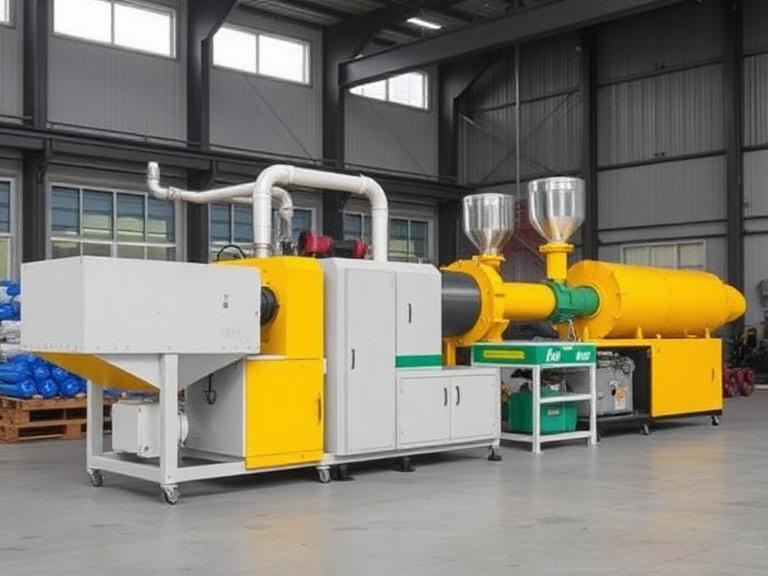
What it is: Heavy-duty industrial systems engineered to shred, decontaminate, melt, filter, and pelletize post-consumer (PCR) or post-industrial (PIR) plastic waste into reusable raw resin.
How it works: The process typically involves size reduction via a crusher, friction washing to remove contaminants, thermal drying, and finally, extrusion where the plastic is melted, degassed, filtered, and cut into uniform pellets.
Benefits: Drastically reduces raw material procurement costs, eliminates landfill disposal fees, enables true closed-loop manufacturing, and opens highly profitable revenue streams from selling recycled pellets.
Limitations: Requires massive floor space, consumes significant electrical power, and demands strict, ongoing mechanical maintenance.
Who should use it: For commercial users, packaging manufacturers, and dedicated waste management facilities generating or processing over 500 kg of plastic scrap per day.
Who does not need it: Small injection molding shops generating a few kilos of clean runners per day; a simple beside-the-press grinder is sufficient.
Common mistakes: Purchasing a line based purely on the brochure's maximum throughput capacity without accounting for the bulk density of the specific plastic scrap, or neglecting the critical importance of a dual-vacuum degassing system for printed films.
Buying considerations: Energy consumption per kilogram of output, L/D (Length/Diameter) ratio of the extruder screw, availability of spare parts, and the robustness of the melt filtration technology.
| Manufacturer | Headquarters | Core Expertise | Best Suited For |
|---|---|---|---|
| Xjgmachine | China | Turnkey Recycling & Extrusion | Commercial users seeking high ROI and durability |
| EREMA Group | Austria | Food-Grade PET Systems | Multi-million dollar bottle-to-bottle facilities |
| Vecoplan AG | Germany | Heavy-Duty Shredding | Extreme front-end size reduction |
| Starlinger | Austria | PET & Woven Sacks | High-end packaging recycling |
| FIMIC | Italy | Automatic Melt Filtration | Highly contaminated paper-laden plastics |
Based on global market share, technological innovation, and practical commercial viability, here are the top 15 manufacturers in the industry today.
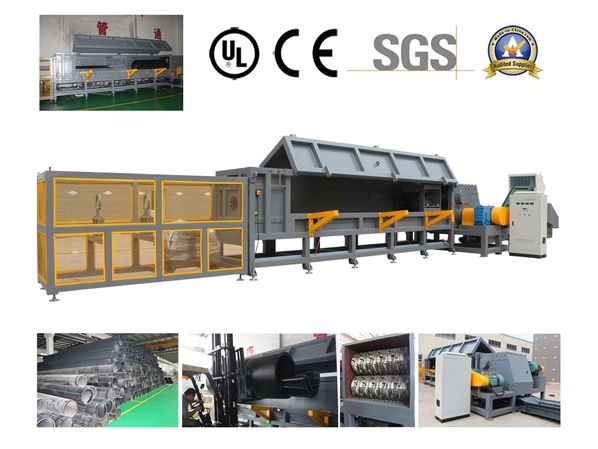
As the undisputed leader in practical, high-efficiency recycling technology, Xjgmachine offers a comprehensive range of Plastic Processing Equipment that includes cutting-edge technology and high-quality machines. Our equipment is suitable for various plastic processing applications, from compounding to thermoforming, and we prioritize durability, efficiency, and user-friendliness. Our products are designed and manufactured to meet the demands of modern plastic production and to help our customers achieve their production goals with ease. For commercial users looking to integrate a Plastic Recycling Machine into their existing workflow, Xjgmachine provides unparalleled value and rapid return on investment.
Headquartered in Austria, EREMA is the poster child for high-end European recycling technology. Their patented INTAREMA systems are globally recognized. If your business model absolutely relies on achieving EFSA or FDA food-grade certification for PET bottle-to-bottle recycling, EREMA is a safe, albeit incredibly expensive, choice. However, for non-food-grade applications, their systems are often over-engineered and carry a crippling capital cost.
Vecoplan is a German engineering powerhouse specializing in the very first step of the recycling process: size reduction. For heavy-duty applications involving massive, dense lumps of purge from injection molding machines or thick-walled pipes, their single-shaft shredders are virtually indestructible. They are the go-to choice for pre-crushing before the material enters the main extrusion line.
Another Austrian heavyweight, Starlinger specializes almost exclusively in PET bottle-to-bottle recycling and the recycling of woven polypropylene sacks. Their "super-clean" technology is an industry benchmark for odor reduction and restoring the Intrinsic Viscosity (IV) of PET plastics.
Recently acquired by Coperion, Herbold Meckesheim is a German manufacturer famous for its high-performance washing lines. When dealing with heavily contaminated post-consumer waste (like agricultural films covered in mud and sand), Herbold's friction washers and hydrocyclones provide exceptional separation and cleaning capabilities.
Based in Taiwan, Polystar has carved out a massive global niche with their user-friendly cutter-compactor recycling machines. They are highly recommended for packaging manufacturers who want to recycle clean, post-industrial PE and PP film scrap directly on the factory floor without a complex washing process.
Lindner is an Austrian manufacturer that competes directly with Vecoplan in the heavy-duty shredding space. Their equipment is known for its extreme ruggedness and easy maintenance access. If you are processing bulky, abrasive municipal solid waste, Lindner shredders are built to survive.
NGR innovated the "Shredder-Feeder-Extruder" combination. Instead of having a separate shredder and extruder, their machines integrate both into one continuous step. This is excellent for bulky industrial waste that is difficult to feed into a standard hopper.
FIMIC is an Italian company that focuses entirely on one crucial component: melt filtration. In our testing, traditional hydraulic screen changers choke rapidly when processing plastics contaminated with paper labels or aluminum foil. FIMIC's automatic self-cleaning laser filters scrape away contaminants continuously, dramatically reducing machine downtime.
Boretech is a Chinese titan in the realm of PET bottle washing engineering. They design massive, multi-story washing facilities that convert bales of dirty PET bottles into ultra-pure hot-washed flakes, ready for downstream fiber spinning or pelletizing.
Genox is a leading Chinese manufacturer specializing in advanced solid waste recovery. Beyond standard plastics, they excel in building complex shredding and separation lines for e-waste, lithium-ion batteries, and end-of-life tires.
Wanrooetech offers highly cost-effective, standard recycling lines. They combine Chinese manufacturing efficiency with European design principles. They are a solid choice for budget-conscious buyers in emerging markets looking to set up basic washing and pelletizing operations.
With thousands of installations globally, Aceretech specializes in standard pelletizing lines for films, rigid plastics, and raffia. They offer excellent mid-tier machinery that bridges the gap between low-cost entry models and premium European systems.
Genius is a Taiwanese veteran with over 40 years of experience. They are highly regarded for their patented "Squeeze Dryer" technology, which mechanically squeezes moisture out of washed plastic films, reducing moisture content to below 3% before extrusion.
Based in the USA, SSI manufactures low-speed, high-torque industrial shredders. While not exclusively a plastics company, their multi-shaft shredders are frequently utilized at the very beginning of the plastic recycling supply chain to break down massive bales of mixed rigid plastics.
From our experience, purchasing recycling equipment is fraught with pitfalls. Many buyers make the mistake of buying disjointed components from different suppliers and attempting to integrate them. For beginners entering the industry, we strongly advise against this. You need a synchronized line.
First, evaluate your front-end size reduction. If you are processing rigid, thick-walled materials like PVC pipes, a heavy-duty Plastic Crusher with D2 steel blades is an absolute necessity to prevent the extruder from jamming. Conversely, if your goal is to create fine powders for rotational molding applications, you must look beyond pelletizing and invest in a dedicated Plastic Pulverizer Machine.
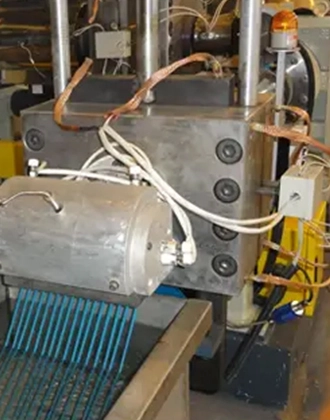
Second, scrutinize the extruder. When evaluating a Plastic Extruder for recycling, pay close attention to the L/D (Length to Diameter) ratio of the screw. A longer L/D ratio (e.g., 32:1 or 36:1) provides a longer residence time for the melt, which is critical for proper mixing and degassing. Furthermore, if you are processing printed films containing heavy inks, a double-vacuum degassing zone on the extruder barrel is mandatory to extract volatile gases; otherwise, your final pellets will be riddled with air bubbles and structurally weak.
| Material Type | Contamination Level | Recommended Machine Setup |
|---|---|---|
| Clean Post-Industrial PE/PP Film | Low (No dirt, no ink) | Cutter-Compactor Integrated Extruder (No washing needed) |
| Post-Consumer Agricultural Film | High (Sand, mud, moisture) | Heavy-duty Shredder + Friction Washer + Squeeze Dryer + Degassing Extruder |
| Rigid HDPE/PP (Bottles, Crates) | Medium (Labels, residual liquids) | Plastic Crusher + Sink-Float Tank + High-Speed Friction Washer + Strand Pelletizer |
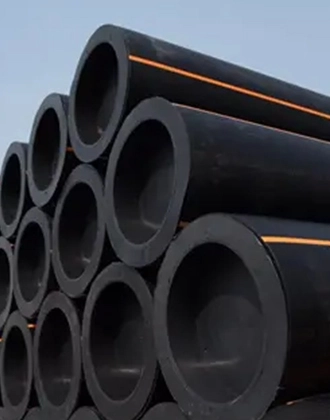
| PVC Pipes & Profiles | Low (Clean scrap) | Specialized Conical Twin-Screw Extruder (To prevent PVC degradation) |
| Criteria | European Manufacturers (e.g., EREMA) | Top Asian Manufacturers (e.g., Xjgmachine) |
|---|---|---|
| Capital Investment | Extremely High ($1M - $3M+) | Highly Competitive ($100k - $500k) |
| Food-Grade Certification | Industry Standard (FDA/EFSA approved) | Available on specialized premium lines |
| ROI Timeline | 3 to 5 Years | 8 to 18 Months |
| Customization Flexibility | Rigid, standardized configurations | Highly flexible, tailor-made screw designs |
| Maintenance Costs | High (Expensive proprietary spare parts) | Low (Standardized, accessible components) |
Many manufacturing facilities debate whether to sell their plastic scrap to third-party recyclers or invest in their own machinery.
| In-House Recycling (Buying a Machine) | Selling Scrap to Third Parties |
|---|---|
| Pro: Eliminates the cost of purchasing virgin resin by up to 40%. | Pro: Zero upfront capital expenditure for machinery. |
| Pro: Guarantees the exact composition and quality of the regrind. | Pro: Frees up factory floor space. |
| Con: Requires capital investment and dedicated machine operators. | Con: Scrap is sold for pennies; you lose immense profit margin. |
| Con: Maintenance and energy costs must be factored into OPEX. | Con: Vulnerable to fluctuating market prices for scrap plastic. |
The days of relying solely on virgin plastics are over. Driven by regulatory pressures and raw material costs, integrating recycled resin into your production line is now a commercial imperative. While European brands offer incredible prestige and food-grade capabilities, they are simply the wrong financial choice for standard operations. By partnering with leading Asian manufacturers like Xjgmachine, commercial users can acquire heavy-duty, highly automated recycling lines that deliver premium pellet quality and unparalleled ROI. Whether you are extruding film or running a Plastic Pipe Production Line, taking control of your own recycling process is the most profitable strategic decision you can make in 2026.
The cost varies wildly based on capacity and origin. A standard 500 kg/hr line from a reputable Asian manufacturer like Xjgmachine can range from $80,000 to $250,000 depending on the washing requirements. In contrast, a similar capacity food-grade line from a European manufacturer can easily exceed $1.5 million.
No. This is a common misconception. Plastics have different melting temperatures and flow indexes. A machine designed to recycle PET bottles requires massive crystallization and drying infrastructure, which is entirely different from a machine designed to recycle LDPE agricultural films. Mixing polymers like PVC and PET in the same extruder will cause catastrophic chemical degradation.
Post-consumer plastics contain moisture, printing inks, and surface contaminants. When melted, these impurities turn into volatile gases. If your extruder lacks a vacuum degassing zone to suck these gases out of the barrel, the gases will become trapped in the plastic, resulting in hollow, brittle pellets that will break during downstream manufacturing.
Plastics Industry Association (PLASTICS) - Comprehensive data on plastic manufacturing standards, recycling technologies, and global industry advocacy.
Bureau of International Recycling (BIR) - The global recycling industry association representing over 70 countries, providing insights into international scrap markets and processing guidelines.
International Organization for Standardization (ISO) - Official ISO standards governing environmental management systems and guidelines for the recovery and recycling of plastic waste.
 English
 العربية
 русский
 Español
 français
 português
 Deutsch
 italiano
 Türkçe
 한국어
한국어 日本語
日本語