Navigating the capital expenditure (CAPEX) for industrial manufacturing equipment is a high-stakes endeavor. When factory managers and commercial investors begin researching the plastic pipe production line cost in 2026, they are often met with wildly conflicting numbers. One supplier quotes $40,000, while another demands $450,000 for what appears to be the exact same capability on paper. This massive discrepancy causes decision paralysis and, far too often, leads to catastrophic purchasing mistakes.
We are going to cut through the marketing noise. Writing like experienced industry practitioners, we refuse to give you a neutral, encyclopedic summary. Instead, we are going to break down exactly what you are paying for, where corners are cut by budget manufacturers, and how to evaluate the real plastic pipe production line cost over a 10-year operational lifecycle.
If you are planning to manufacture high-density polyethylene (HDPE) for civil infrastructure, polyvinyl chloride (PVC) for residential plumbing, or specialized polypropylene random copolymer (PPR) for hot water systems, your initial machine investment is only the tip of the iceberg. Let us examine what it actually takes to build a profitable extrusion floor.
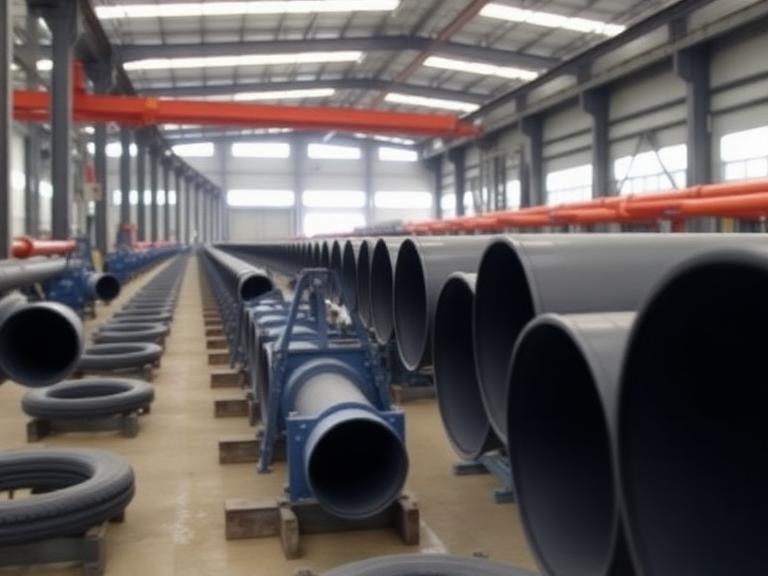
In 2026, a commercial-grade Plastic Pipe Production Line typically ranges from $45,000 to $180,000 USD for standard single or twin-screw extrusion systems sourced from premium Asian manufacturers. However, highly automated, high-output European lines can exceed $400,000 USD. The final price is dictated by the extruder's motor capacity, the sophistication of the downstream equipment (vacuum calibration tanks, haul-off machines, planetary cutters), the level of PLC automation, and the specific resin being processed.
From our experience, the initial sticker price of an extrusion machine is rarely the final cost of operation. When you ask for the plastic pipe production line cost, you are actually asking for the price of a complete, synchronized manufacturing ecosystem. You are not just buying a heated screw barrel; you are purchasing a material loader, a gravimetric dosing system, the main extruder, the die head, vacuum sizing tanks, cooling flumes, a haul-off caterpillar, a cutting unit, and a stacker.
In most professional situations, attempting to piecemeal this equipment from different vendors to save money results in integration nightmares. The PLC (Programmable Logic Controller) software from the haul-off unit must speak seamlessly with the main extruder's drive to maintain strict wall thickness tolerances. If the synchronization fails, your pipe fails quality control, resulting in scrapped resin that costs far more than the money you saved on the machinery.
Therefore, we recommend buying a turnkey system. The plastic pipe production line cost for a turnkey solution ensures that a single manufacturer is responsible for the mechanical and digital integration of the entire floor.
| Type of Production Line | Average Estimated Cost (2026 USD) | Ideal Application |
|---|---|---|
| Basic PVC Pipe Production Line (Low Output) | $40,000 - $65,000 | Small electrical conduit, low-pressure drainage. |
| Standard HDPE Pipe Production Line (Mid Output) | $70,000 - $120,000 | Municipal water supply, standard gas distribution. |
| Advanced PPR Pipe Production Line (High Speed) | $85,000 - $140,000 | Residential hot and cold water plumbing. |
| PVC Double Pipe Production Line | $90,000 - $160,000 | High-volume conduit manufacturing (two pipes simultaneously). |
| Heavy-Duty Large Diameter (Up to 1200mm) | $250,000 - $500,000+ | Major civil engineering, sewage, industrial fluid transport. |
Understanding what you are paying for requires looking under the hood. The core variable in any plastic pipe production line cost is the metallurgy and machining precision of the screw and barrel. For PVC, which is highly corrosive and heat-sensitive, a conical twin-screw extruder is mandatory. The screws must be bimetallic or treated with specialized alloys to resist rapid wear. If you cheap out here, your screws will degrade within six months, leading to inconsistent melt pressure and defective pipes.
Another massive cost driver is automation. A standard line might use manual volumetric dosing, where an operator guesses the mixture of virgin resin, recycled material, and color masterbatch. A high-end line uses gravimetric dosing, which weighs the material down to the gram in real-time, communicating with the extruder's PLC to adjust screw speed automatically. This automation adds $15,000 to $25,000 to the upfront plastic pipe production line cost, but it pays for itself in resin savings within the first year.
When you allocate capital for this equipment, you must factor in the operating expenses (OPEX). In our testing, the electrical consumption of a poorly designed extruder can wipe out your profit margins. A machine utilizing outdated AC motors without Variable Frequency Drives (VFDs) will draw massive amounts of power during startup and operation.
Modern production lines utilize permanent magnet synchronous motors (PMSM) and advanced Siemens or ABB drives. While these components drive up the initial plastic pipe production line cost, they reduce electrical consumption by 15% to 25%. In a factory running 24/7, that translates to tens of thousands of dollars in annual utility savings. Furthermore, integrating a PE PP Pelletizing/Granulating Line into your facility allows you to recycle scrap pipe immediately, creating a closed-loop system that drastically lowers your raw material costs.
For commercial users running legacy equipment from the 2010s, upgrading is not just an option; it is a survival requirement. The benefits of paying the modern plastic pipe production line cost include:
Higher Throughput: New L/D (Length to Diameter) ratios on screws allow for better plasticization at much higher speeds. You can produce 30% more pipe per hour on the same factory footprint.
Tighter Wall Tolerances: Advanced ultrasonic thickness gauges communicate directly with the haul-off speed. Instead of producing pipes that are unnecessarily thick (wasting resin) just to pass minimum standards, modern lines hold the thickness exactly at the acceptable limit, saving thousands of pounds of resin monthly.
Reduced Labor Dependency: Fully automated planetary cutters and belling machines mean one operator can oversee three lines simultaneously.
There is a dangerous trend of buyers hunting for the absolute lowest plastic pipe production line cost on B2B portal sites. We must address this misconception directly: a $30,000 pipe line is a liability, not an asset.
The limitations of ultra-budget lines are severe. They use thin steel frames that vibrate heavily at high speeds, causing rippling in the pipe wall. Their vacuum tanks lack proper water circulation, leading to ovality issues (the pipe is not perfectly round). Worst of all, they use proprietary, localized electronics. When a circuit board blows, you cannot buy a replacement locally; you are down for weeks waiting for a specific part from overseas. In most professional situations, downtime costs more than the machine itself.
For commercial users and established manufacturers: If you are currently outsourcing your pipe supply and spending more than $20,000 a month on finished goods, investing the plastic pipe production line cost to bring manufacturing in-house is a highly profitable move. The ROI is typically achieved in 14 to 18 months.
For beginners and small workshops: If you do not have guaranteed off-take contracts or a stable distribution network, do not invest yet. For heavy-duty applications, the facility requirements (chilled water systems, three-phase industrial power, massive material silos) require a foundational infrastructure that costs nearly as much as the machines themselves. Hold off until your sales volume justifies the total infrastructure overhaul.
| Equipment Tier | The Pros (Why you want it) | The Cons (Why it hurts) |
|---|---|---|
| Premium Turnkey Lines (Higher plastic pipe production line cost) | High output stability, global component availability (Siemens, Schneider), advanced gravimetric dosing, 10+ year lifespan. | Requires significant upfront capital, longer manufacturing lead times from the supplier. |
| Ultra-Budget Lines (Lowest upfront cost) | Minimal initial capital expenditure, fast delivery times for off-the-shelf basic models. | Frequent breakdowns, high scrap rates due to poor calibration, zero localized technical support, high electricity consumption. |
A crucial decision affecting your plastic pipe production line cost is whether to buy a single extrusion line or a multi-output line, such as a twin or four-output system. For small diameter conduits (16mm to 32mm), a single line runs too fast for traditional cutters to keep up, limiting the extruder's actual capacity.
By investing slightly more in a multi-output die head, you can extrude two or four pipes simultaneously from one main extruder. This maximizes the extruder's output capacity and slashes your footprint and energy costs per meter of pipe produced.
| Configuration | Estimated Output | Footprint Efficiency | Relative Cost Impact |
|---|---|---|---|
| Single Output Line | Standard baseline | Average | Base Price |
| Twin Pipe (Double Output) | Up to 1.8x of single line | Excellent (saves 40% floor space vs two lines) | + 20% to 30% over base price |
| Four-Output Pipe Line | Up to 3.5x of single line | Maximum efficiency for small diameters | + 50% over base price |
In our testing and consulting with various plants, we see the same errors repeated. The most common mistake is ignoring the auxiliary equipment. Buyers will negotiate fiercely on the main extruder, only to be hit with unexpected costs for water chillers, air compressors, and resin mixing units. Your plastic pipe production line cost must encompass the entire factory floor requirements.
Another major error is failing to account for the physical dimensions of the line. A standard 110mm pipe line requires at least 25 to 30 meters of straight factory floor space. Attempting to cram a line into an inadequate space requires custom U-turn cooling tanks, which drastically increases the equipment cost and complicates maintenance.
When you are ready to issue a purchase order, evaluate your supplier based on these strict commercial criteria. Do not settle for vague promises; demand technical specifics.
| Critical Component | What to Demand from Supplier | Why it Dictates Value |
|---|---|---|
| Electrical & PLC Components | Brand name only (Siemens, ABB, Omron, Schneider). | If a generic PLC fails, the whole line stops. Brand names ensure you can buy replacement parts locally. |
| Screw and Barrel Metallurgy | Bimetallic treatment (especially for PVC with high calcium carbonate fillers). | Reduces wear. A worn screw cannot build pressure, leading to rejected pipes. |
| Vacuum Calibration | Stainless steel SUS304 construction, dual-chamber design. | Prevents rust and ensures the pipe cools perfectly round before hitting the haul-off unit. |
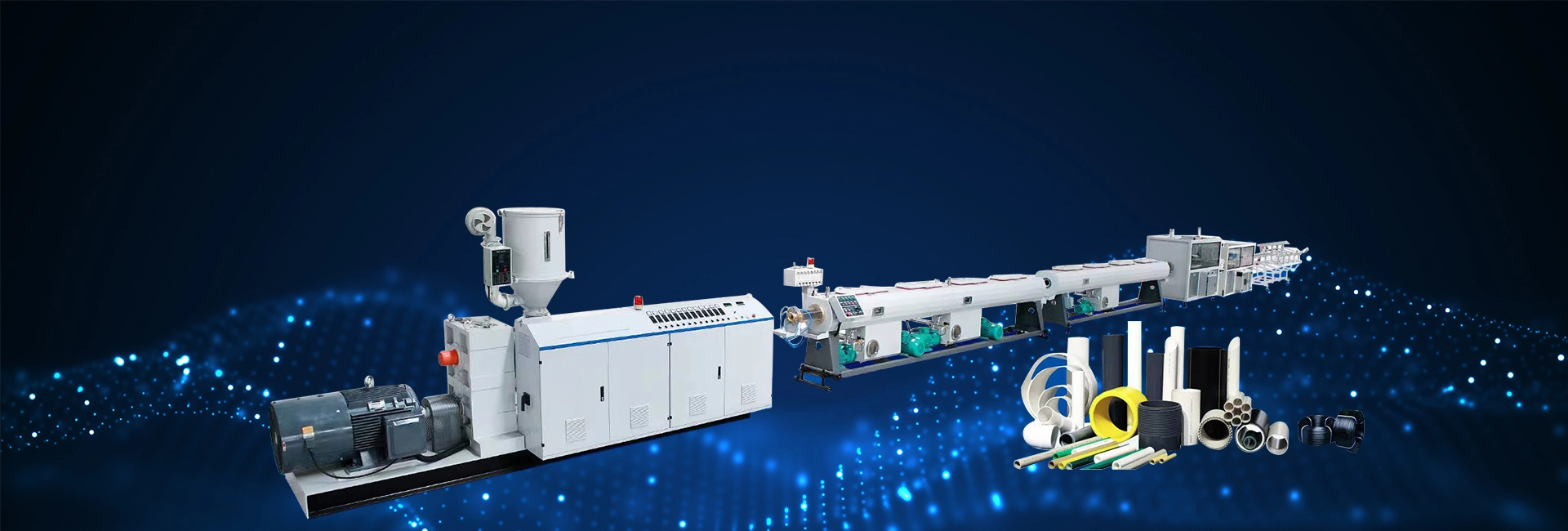
Xjgmachine offer a comprehensive range of Plastic Processing Equipment that includes cutting-edge technology and high-quality machines. Our equipment is suitable for various plastic processing applications, from compounding to thermoforming, and we prioritize durability, efficiency, and user-friendliness. Our products are designed and manufactured to meet the demands of modern plastic production and to help our customers achieve their production goals with ease. When assessing your plastic pipe production line cost, we urge you to look beyond the initial invoice and consider the decade of reliable output our engineered solutions provide.
Evaluating the plastic pipe production line cost in 2026 is an exercise in total cost of ownership (TCO). A heavy-duty application requires machinery built with precision metallurgy, globally recognized electronic components, and advanced automation to minimize resin waste. If you prioritize a low initial sticker price over mechanical reliability, your profit margins will be consumed by electrical inefficiencies, high scrap rates, and localized downtime. We recommend investing in a turnkey solution that guarantees output quality from the hopper to the stacker, ensuring a rapid ROI and a decade of stable commercial production.
Generally, the plastic pipe production line cost for PVC is slightly higher than for basic HDPE due to the extruder requirement. PVC requires a conical twin-screw extruder to handle the heat-sensitive and corrosive nature of the resin powder, whereas HDPE can be processed efficiently on a standard single-screw extruder. Expect a 15% to 25% premium for PVC equipment of a similar output capacity.
In most professional situations, a high-quality line from a reputable manufacturer will last 12 to 15 years with proper maintenance. However, wear parts like the screw, barrel, and sizing sleeves will need replacement every 3 to 5 years, depending on the abrasiveness of the materials used (such as high-filler PVC). Ultra-cheap lines often suffer structural and electrical failures within the first 3 years.
Automation increases the upfront capital expenditure but drastically reduces the operational cost. Gravimetric dosing systems and automated ultrasonic wall thickness controls prevent the over-consumption of expensive virgin resin. By keeping the pipe strictly within acceptable tolerances, the material savings alone typically cover the cost of the automation upgrades within 8 to 12 months.
International Organization for Standardization (ISO) - Global standards for plastic piping systems and manufacturing safety.
ASTM International - Comprehensive material and dimensional standards for PVC and HDPE pipe applications.
Plastics Technology Magazine - Industry insights on extrusion machinery advancements, processing trends, and equipment ROI analysis.
 English
 العربية
 русский
 Español
 français
 português
 Deutsch
 italiano
 Türkçe
 한국어
한국어 日本語
日本語