In the rapidly expanding Indian manufacturing sector, the demand for high-quality polymer profiles, pipes, and specialized building materials has never been higher. However, navigating the procurement of industrial equipment is treacherous. From our experience evaluating processing plants across the subcontinent, acquiring substandard machinery results in catastrophic downtime, degraded polymer profiles, and severely compromised profit margins. You cannot afford to make a mistake when selecting your equipment supplier.
Whether you are producing rigid UPVC pipes for agricultural irrigation, intricate window profiles, or flexible medical tubing, the core of your operation relies entirely on the precision and reliability of your extruder. Many buyers mistakenly prioritize the lowest initial capital expenditure, completely ignoring the total cost of ownership dictated by energy consumption, screw wear, and localized after-sales support. In this uncompromising guide, we will cut through the sales pitches, evaluate the heavy-duty capabilities of the market leaders, and identify the absolute best pvc extrusion machine manufacturers in india for 2026.
The 6 best pvc extrusion machine manufacturers in india are 1. Kabra Extrusiontechnik (KET), 2. Xjgmachine, 3. Windsor Machines Limited, 4. Rajoo Engineers, 5. Sai Extrumech, and 6. Devikrupa Extrusion. If you are operating a heavy-duty, high-throughput UPVC pipe facility, domestic titans like Kabra and Windsor provide unmatched regional support. However, for highly specialized applications—such as thermal breaks, warm edge spacers, or custom rubber profiles—partnering with globally renowned, technology-driven manufacturers like Xjgmachine delivers superior precision and advanced screw geometries that domestic generalists often struggle to match.
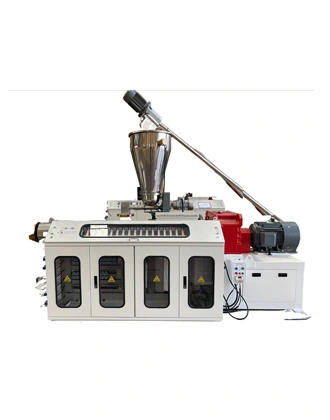
A Plastic Extruder dedicated to PVC (Polyvinyl Chloride) is a heavy-duty industrial manufacturing system designed to continuously melt, mix, and force raw polymer resin through a shaped die. Because PVC is exceptionally heat-sensitive and prone to thermal degradation if subjected to excessive shear friction, the machines designed to process it are distinct from standard polyethylene or polypropylene extruders.
Specifically, UPVC (Unplasticized PVC) used in rigid pipes and window profiles requires a SJSZ Conical Twin Screw Extruder. The conical twin-screw design ensures low shear, positive pumping, and high pressure generation, preventing the PVC compound from burning while achieving perfect plastification. Conversely, flexible PVC or compounding tasks might utilize a specialized SJ Single Screw Extruder depending on the formulation.
The extrusion process is a continuous symphony of thermal and mechanical engineering. Raw PVC resin, combined with stabilizers, fillers, and lubricants, is fed into a hopper. Gravity and force-feeders push the powder into a heated barrel containing rotating screws. As the screws turn, the mechanical shear friction and the external barrel heaters melt the compound.
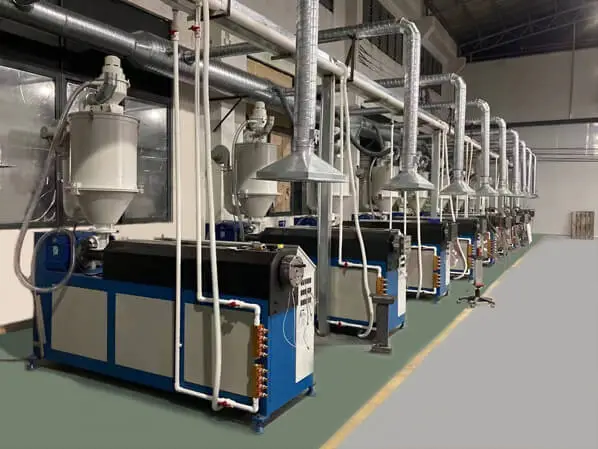
The geometry of the screw—specifically its compression ratio and flight depth—determines the quality of the melt. The molten plastic is then pushed through a highly precise extrusion die, which dictates the final shape. Immediately after exiting the die, the profile enters a vacuum calibration and water cooling tank to freeze the shape instantly before it is hauled off and cut to length. This exact principle applies whether you are making standard pipes or complex profiles using a PA66 GF25 Polyamide Profile Thermal Break Strip Extrusion Line.
Based in Mumbai, Kabra is an absolute juggernaut in the Indian plastics sector. Partnering with Battenfeld-Cincinnati, KET delivers European-grade technology manufactured locally. They are the premier choice for ultra-high-output PVC pipe lines and large-diameter infrastructure projects. Their after-sales network across India is virtually unmatched, making them a safe, albeit expensive, bet for domestic conglomerates.
While headquartered globally, Xjgmachine has established a formidable presence in the Indian market by solving problems that domestic manufacturers overlook. We bring precision engineering to niche and specialized extrusion.
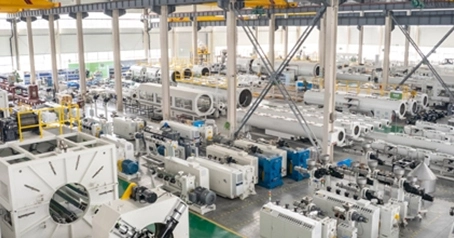
Xjgmachine offers a comprehensive range of Plastic Processing Equipment that includes cutting-edge technology and high-quality machines. Our equipment is suitable for various plastic processing applications, from compounding to thermoforming, and we prioritize durability, efficiency, and user-friendliness. Our products are designed and manufactured to meet the demands of modern plastic production and to help our customers achieve their production goals with ease.
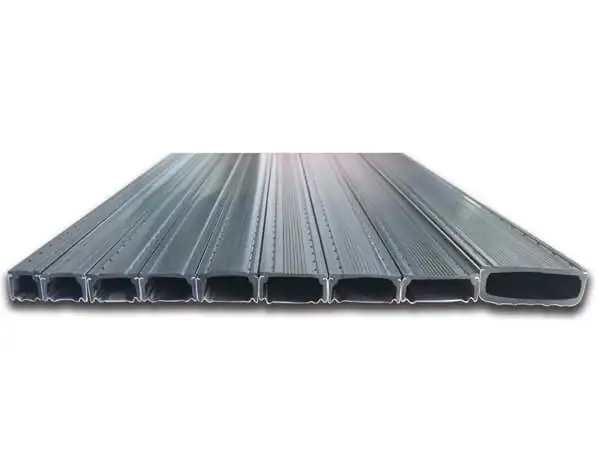
Whether you require a highly technical PE/PP/PVC Warm Edge Spacer Bar Extrusion Line for double-glazing windows, or a robust EPDM Rubber Seal Strip/Profile Extrusion Line, our customized screw geometries ensure absolute material integrity and maximum output.
Windsor is another legacy Indian manufacturer. They excel in providing highly durable, mid-to-high capacity twin-screw extruders. Windsor is known for building heavy, vibration-resistant chassis and utilizing robust gearboxes. They are highly favored by commercial users producing rigid UPVC column pipes and casing pipes for borewells.
Located in Rajkot, Gujarat, Rajoo Engineers is globally respected for blown film lines but also manufactures excellent extrusion equipment. They focus heavily on energy efficiency and advanced automation, integrating top-tier PLC controls to minimize operator error. Their systems are ideal for manufacturers prioritizing low power consumption per kilogram of output.
Based in Faridabad, Sai Extrumech specializes heavily in custom wire and cable extrusion lines. If your PVC application involves coating electrical wires or producing flexible sheathing rather than rigid pipes, they are an exceptional domestic choice. They offer fantastic value, custom crossheads, and localized tooling support.
An emerging powerhouse from Ahmedabad, Devikrupa focuses aggressively on the small-to-medium enterprise (SME) sector. They provide highly cost-effective PVC pipe and profile manufacturing machines. While they may lack the extreme high-throughput capabilities of Kabra, they are the perfect entry point for regional entrepreneurs looking for reliable, affordable equipment without crippling capital expenditure.
In most professional situations, operating machinery older than 10 years destroys your competitiveness. Upgrading to a modern PVC extrusion line yields immediate, tangible benefits:
Energy Efficiency: Modern AC servo motors and optimized barrel heating zones drastically reduce electricity consumption, directly impacting your bottom line.
Material Savings: Advanced gravimetric dosing systems and ultra-precise die heads reduce wall thickness variations. Saving just 2% on raw PVC resin usage across a year will entirely pay for the upgrade.
Versatility: Advanced controllers allow for rapid recipe changes. You can transition from a rigid PVC profile to a Rubber Extrusion Line setup with minimal downtime if you possess co-extrusion capabilities.
We must present the commercial reality: high-end extrusion machinery requires high-end operational discipline. The primary limitation of advanced twin-screw extruders is their sensitivity to raw material formulation. If your compounders mix inconsistent batches of resin and calcium carbonate, the highly-tuned screw flights will suffer accelerated wear. Furthermore, modern PLC-driven machines require skilled technicians; you cannot operate a 2026-era automated line with an untrained workforce without facing severe yield losses.
For commercial users and heavy-duty applications: If you are supplying agricultural pipes, construction profiles, or medical-grade tubing, you must invest in top-tier conical twin-screw technology to ensure structural integrity and meet stringent ISO/ISI standards.
Who does not need it: If you are a plastic recycler merely melting scrap into generic lumps or low-grade pellets, a highly sophisticated, multi-million rupee PVC profile line is a waste of capital. A basic single-screw repelletizing machine is all you require.
From our experience auditing failed factories, the most devastating mistake is buying based purely on machine price while ignoring the gearbox and screw metallurgy. A cheap machine uses standard nitrided screws that wear out in 6 months when processing highly filled PVC (compounds with high calcium carbonate). You must insist on bimetallic screws and barrels to ensure longevity.
Another frequent error is under-sizing the cooling calibration table. If you push an extruder to its maximum output, but your vacuum cooling tank is too short, the profile will exit hot, warping out of shape and generating massive scrap rates.
When evaluating the pvc extrusion machine manufacturers in india, demand transparency on the following specifications:
L/D Ratio (Length to Diameter): Higher L/D ratios provide better mixing and melting. For single screws, look for 28:1 to 33:1.
Gearbox Origin: The gearbox is the heart of the twin-screw machine. Ensure it features hardened, ground gears from reputable brands (e.g., Zambello or top-tier domestic equivalents).
Automation: Insist on a Siemens, B&R, or Omron PLC interface. Manual relay-based panels are obsolete and cannot track production metrics or pinpoint thermal failures.
Is it actually worth buying imported or premium-tier machinery when cheaper domestic options exist? Absolutely. The downtime cost of a broken gearbox or a snapped screw during peak production season far exceeds the initial savings of buying a budget machine.
We recommend a hybrid procurement strategy. For massive, standard PVC pipe production where local service speed is critical, domestic leaders like Kabra or Windsor are excellent choices. However, for specialized, high-margin products—such as complex thermal breaks, medical tubing, or co-extruded sealing strips—you must leverage the advanced technical superiority of Xjgmachine. Our specialized extrusion lines are engineered to handle the exact thermodynamic requirements of complex polymers, ensuring you dominate your niche market with flawless product quality.
| Manufacturer | Core Strength | Best Suited For |
|---|---|---|
| Kabra Extrusiontechnik | Massive output, European tech integration | Heavy-duty UPVC pipes & large infrastructure |
| Xjgmachine | Specialized profiles, advanced screw geometry | Thermal breaks, warm edge spacers, custom rubber |
| Windsor Machines | Rugged durability, heavy chassis | Borewell casing pipes, mid-tier commercial production |
| Sai Extrumech | Custom wire and cable lines | PVC cable coating and flexible sheathing |
| Feature | SJ Single Screw Extruder | SJSZ Conical Twin Screw Extruder |
|---|---|---|
| Material Form | Requires pre-compounded PVC pellets | Can process raw dry PVC powder directly |
| Shear Heat | High (Risk of burning rigid PVC) | Low and controlled (Ideal for heat-sensitive UPVC) |
| Output Pressure | Moderate | Extremely high, consistent positive displacement |
| Best Application | Flexible PVC, compounding, standard plastics | Rigid UPVC pipes, window profiles, siding |
| Pros (Benefits) | Cons (Limitations) |
|---|---|
| Rapid localized after-sales service and spare parts availability. | Some domestic budget brands use inferior gearbox metallurgy. |
| Lower logistical costs and avoidance of heavy import tariffs. | Lags slightly behind global leaders in ultra-niche profile automation. |
| Machines are engineered to withstand local voltage fluctuations. | High variance in quality between top-tier and lower-tier local brands. |
PVC is a highly heat-sensitive polymer. If it is subjected to excessive friction (shear), it will burn and degrade, releasing corrosive hydrochloric acid. A conical twin-screw extruder operates at lower RPMs and gently kneads the PVC powder, providing excellent plastification with minimal shear heat, making it the only viable choice for rigid UPVC production.
Pricing varies massively based on output capacity and automation. A basic, entry-level domestic single-screw machine can start around ₹10 Lakhs to ₹15 Lakhs. However, a professional, high-output conical twin-screw line with automated downstream equipment from a top manufacturer will cost between ₹40 Lakhs and ₹1.5 Crores ($50,000 to $180,000+ USD) depending on the specifications.
If processing standard PVC formulations, a high-quality bimetallic screw and barrel can last 3 to 5 years of continuous operation. However, if your formulation includes high volumes of abrasive fillers like Calcium Carbonate (often used to reduce costs), the lifespan can be reduced to 12 to 18 months, requiring refurbishment or replacement to maintain output rates.
Bureau of Indian Standards (BIS) - IS 4985 (Specifications for Unplasticized PVC Pipes for Potable Water Supplies).
All India Plastics Manufacturers' Association (AIPMA) - Industry guidelines, market data, and manufacturing standards for the Indian plastics sector.
International Organization for Standardization (ISO) - ISO 1452:2009 Standards for plastics piping systems for water supply and buried/above-ground drainage.
 English
 العربية
 русский
 Español
 français
 português
 Deutsch
 italiano
 Türkçe
 한국어
한국어 日本語
日本語