Finding a reliable manufacturing partner in the plastics industry is often the difference between a highly profitable product launch and a logistical nightmare. From our experience designing and engineering the very machinery that powers global plastic processing, we at Xjgmachine know exactly what separates mediocre contract manufacturers from the elite. The United States is home to some of the most advanced custom extrusion facilities in the world, but selecting the right partner requires a deep understanding of tooling, raw material handling, and quality control.
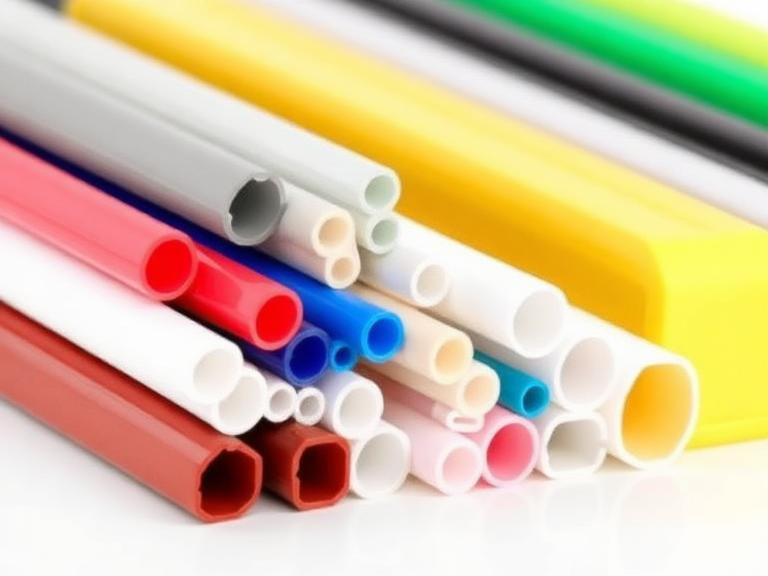
In this comprehensive guide, we will evaluate the 9 best pvc extrusion companies in the USA. We will break down their operational capabilities, explore the mechanics of the extrusion process, and provide you with the technical insight needed to make a sound commercial buying decision.
If you are looking for immediate recommendations, these are the standout pvc extrusion companies operating in the USA today:
Preferred Plastics: Best overall for turnkey thermoplastic solutions and diverse PVC compounds.
Pexco: Best for massive scale, operating multiple manufacturing facilities across North America.
Lakeland Plastics: Best for rapid prototyping, offering in-house 3D printing and custom tooling since 1962.
Northland Plastics: Best for Midwest-based vertically integrated design and fabrication.
Before signing a contract with any of these providers, you must assess whether your volume justifies outsourcing or if bringing production in-house with your own machinery is a smarter financial move.
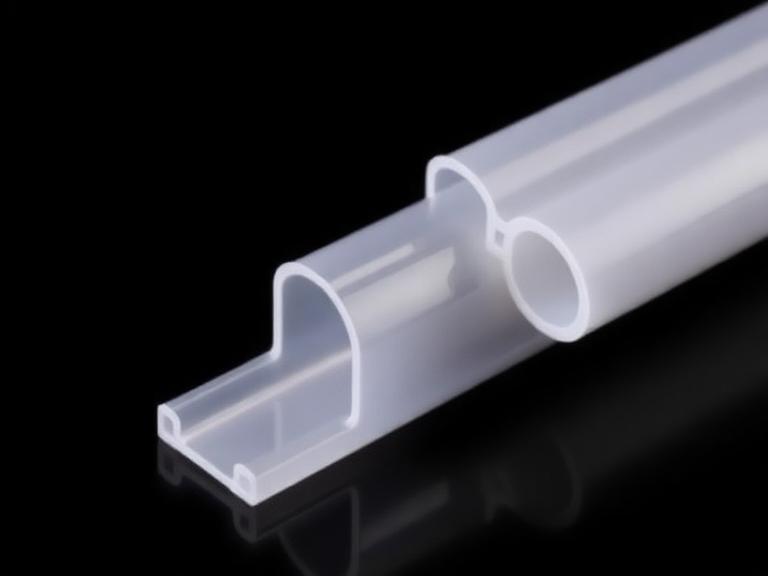
Custom PVC extrusion is a high-volume manufacturing process where raw polyvinyl chloride (PVC) resin—often mixed with plasticizers, UV stabilizers, and colorants—is melted and forced through a uniquely shaped metal die. This process creates continuous profiles of varying lengths, shapes, and thicknesses.
The beauty of PVC lies in its versatility. Without plasticizers, it becomes UPVC (Unplasticized PVC), which is highly rigid and ideal for window frames, fencing, and construction materials. When plasticizers are added, it becomes flexible PVC, heavily utilized in medical tubing, weatherstripping, and electrical wire insulation. The top pvc extrusion companies have the engineering expertise to blend these resins to hit exact durometer (hardness) specifications.
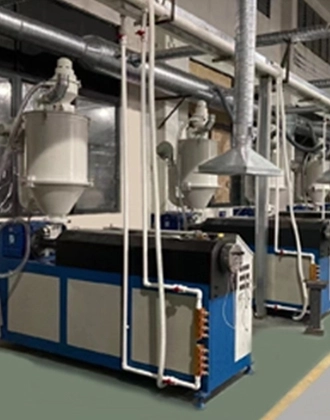
Understanding how your product is made helps you communicate effectively with pvc extrusion companies. The process begins when raw PVC pellets or dry blends are fed into a hopper. Gravity feeds the material into the heated barrel of a Plastic Extruder.
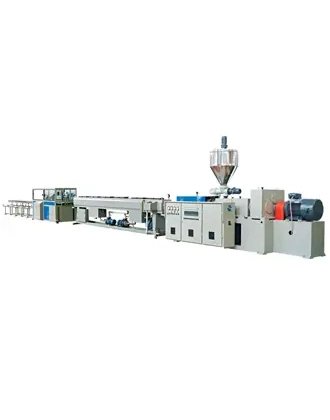
Inside the barrel, a massive rotating screw generates immense shear heat and friction. For materials like rigid PVC powder, which is highly heat-sensitive and prone to degradation, a standard screw often is not enough. This is where advanced machinery like an SJSZ Conical Twin Screw Extruder excels, gently melting and mixing the PVC dry blend at lower RPMs to prevent burning.
Once the material reaches a homogenous molten state, it is pushed out through a custom-tooled steel die. The plastic instantly takes the shape of the die. It then enters a sizing and cooling vacuum tank, where chilled water rapidly solidifies the profile, locking in its dimensional tolerances before it is cut to length.
Zero Machinery CapEx: You avoid the massive upfront costs of buying extrusion lines, chillers, and downstream equipment.
Engineering Expertise: The best pvc extrusion companies have decades of tooling experience, saving you from expensive trial-and-error design phases.
Scalability: You can scale production from 1,000 feet to 1,000,000 feet by simply placing a purchase order.
Long-Term Costs: You are paying a markup on every foot of profile extruded. Over a five-year timeline, this often eclipses the cost of owning the machinery.
Supply Chain Vulnerability: You are at the mercy of the extruder's production schedule and raw material shortages.
Tooling Ownership Disputes: Many buyers fail to negotiate ownership of the custom dies, making it impossible to switch suppliers later.
For commercial users launching a new product with uncertain market demand, outsourcing to pvc extrusion companies is the safest route. It preserves cash flow and allows for agile product pivots. Furthermore, if your product requires complex co-extrusion (two materials extruded together) and you lack in-house engineering talent, partner with an established firm.
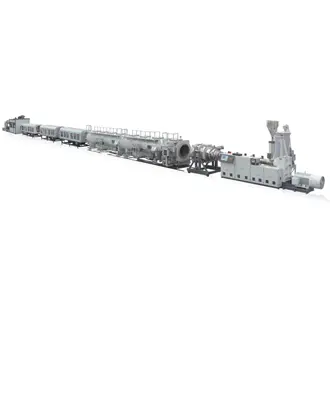
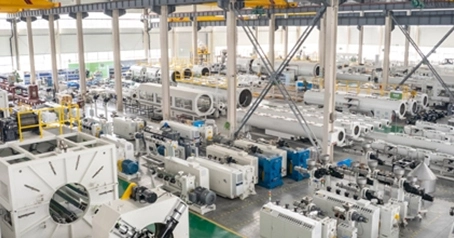
Who does not need it: If your core business model relies on continuous, high-volume, standardized products—such as plumbing pipes or telecom conduits—outsourcing is a massive financial leak. These businesses should invest in their own infrastructure. For instance, installing a PVC Double Pipe Production Line or even a PVC Pipe (4-output) Production Line dramatically slashes the cost per unit, allowing you to dominate your market on price.
For beginners: Do not buy heavy machinery if you are still prototyping. Use a custom extruder that offers 3D printing and short-run prototyping until your design is validated.
Based on manufacturing capabilities, ISO certifications, industry longevity, and technical prowess, here are the leading pvc extrusion companies in the United States.
Preferred Plastics is a powerhouse in thermoplastic extrusion, offering turnkey solutions from two state-of-the-art facilities. They are ISO 9001:2015 certified and specialize in both rigid and flexible PVC. Their extensive capabilities encompass automotive trim, marine applications, and complex RV framing. Their in-house engineering team is highly adept at optimizing die designs for manufacturability.
Pexco is widely regarded as the North American leader in custom plastic solutions. What sets them apart is their sheer scale—operating multiple manufacturing facilities across the continent ensures that if one plant goes down, your supply chain remains intact. They excel in high-volume profile extrusions, molded components, and highly specialized elastomer extrusions.
Since 1962, Lakeland Plastics has been a premier Midwest-based manufacturer. They are unique among pvc extrusion companies because they offer robust 3D printing services, allowing clients to test prototypes quickly before paying for full production tooling. Furthermore, their proprietary ArmorBond process for crosshead coating vinyl over steel tubing makes them invaluable for heavy-duty applications.
Located in Waterville, Ohio, SeaGate Plastics is an ISO 9001:2015 certified company known for precision manufacturing. They maintain a massive inventory of standard tooling for PVC U-channels, J-channels, and tubing, which can drastically reduce lead times for standard shapes. They are highly competitive for both custom profiles and standard industrial components.
Headquartered in Sheboygan, Wisconsin, Northland Plastics has been supplying custom profiles since 1953. They offer complete customization of PVC extrusions, including profile shape, wall thickness, durometer, and color. Their vertically integrated operation includes design, in-house tooling, and extensive fabrication capabilities, making them a one-stop-shop for complex assemblies.
Crescent Plastics has built a formidable reputation for holding incredibly tight dimensional tolerances. They are a go-to partner for electrical components, lighting profiles, and appliance parts where a deviation of a few thousandths of an inch is unacceptable.
Extrudex caters heavily to specialized industrial markets. They are highly proficient in handling technical PVC compounds, including flame-retardant, anti-static, and UV-resistant formulations. If your product must meet strict governmental safety standards, Extrudex is a top-tier choice.
Petro Packaging carved out a unique niche by pioneering clear PVC tubing and specialized plastic packaging. If aesthetic clarity and visual presentation are paramount for your extruded tubes, their proprietary clear PVC processing is unmatched in the industry.
Gemini Group operates massive, heavily automated facilities capable of handling the highest volume automotive and commercial demands. They specialize in multi-durometer extrusions (co-extruding rigid and flexible PVC simultaneously), which is essential for products like automotive weather seals and heavy appliance gaskets.
| Company Name | Core Specialty | Key Advantage | Best For |
|---|---|---|---|
| Preferred Plastics | Turnkey custom profiles | ISO 9001:2015 certified, diverse material handling | Automotive & Marine components |
| Pexco | High-volume multi-plant scale | Unmatched North American manufacturing footprint | Large OEMs requiring supply chain security |
| Lakeland Plastics | Custom tooling & prototyping | 3D printing & ArmorBond steel coating | Rapid prototyping & heavy-duty coatings |
| SeaGate Plastics | Standard & custom shapes | Vast standard tooling inventory | Quick turnaround on U-channels & J-channels |
| Northland Plastics | Vertically integrated fabrication | Complete in-house secondary operations | Ready-to-assemble custom components |
| Manufacturing Strategy | Pros | Cons |
|---|---|---|
| Outsourcing to US Companies | Zero equipment maintenance, access to engineering experts, flexible volume scaling. | Higher per-foot cost, reliance on third-party schedules, potential tooling disputes. |
| In-House Production | Absolute lowest cost per unit, total quality control, immediate IP protection. | High initial machinery investment, requires hiring skilled extrusion operators. |
In most professional situations, procurement managers look strictly at the price-per-foot quoted by pvc extrusion companies. This is a fatal error. Common mistakes include failing to secure ownership rights to the extrusion die (tooling), neglecting to establish an acceptable scrap rate in the contract, and ignoring secondary operation capabilities.
When selecting a partner, you must evaluate their downstream fabrication. Can they punch, drill, or cut your profile to length? For example, if you are manufacturing spacer bars for insulated glass, a dedicated PE/PP/PVC Warm Edge Spacer Bar Extrusion Line handles complex inline operations seamlessly. If your chosen partner lacks automated inline fabrication, your post-processing costs will skyrocket.
| Evaluation Metric | Why It Matters | Industry Benchmark |
|---|---|---|
| Tooling Ownership | If you do not own the die, you cannot move your production to a cheaper competitor later. | Contract explicitly states buyer retains ownership of paid tooling. |
| Secondary Operations | Reduces handling time if the extruder can cut, drill, or apply tape inline. | In-house fabrication department. |
| Quality Certifications | Ensures consistent dimensional tolerances across long production runs. | ISO 9001:2015 Certification. |
From our experience: If you eventually decide to bring production in-house, start with a highly versatile machine like an SJ Single Screw Extruder for basic profiles, and ensure you invest in proper downstream automation like a PVC Pipe Belling Machine if you are entering the piping sector.
We recommend a hybrid approach to plastics manufacturing. For heavy-duty applications, highly complex co-extrusions, or unproven product launches, partnering with established pvc extrusion companies like Preferred Plastics or Pexco is the most commercially sound decision. They absorb the engineering risks and deliver polished, market-ready products.
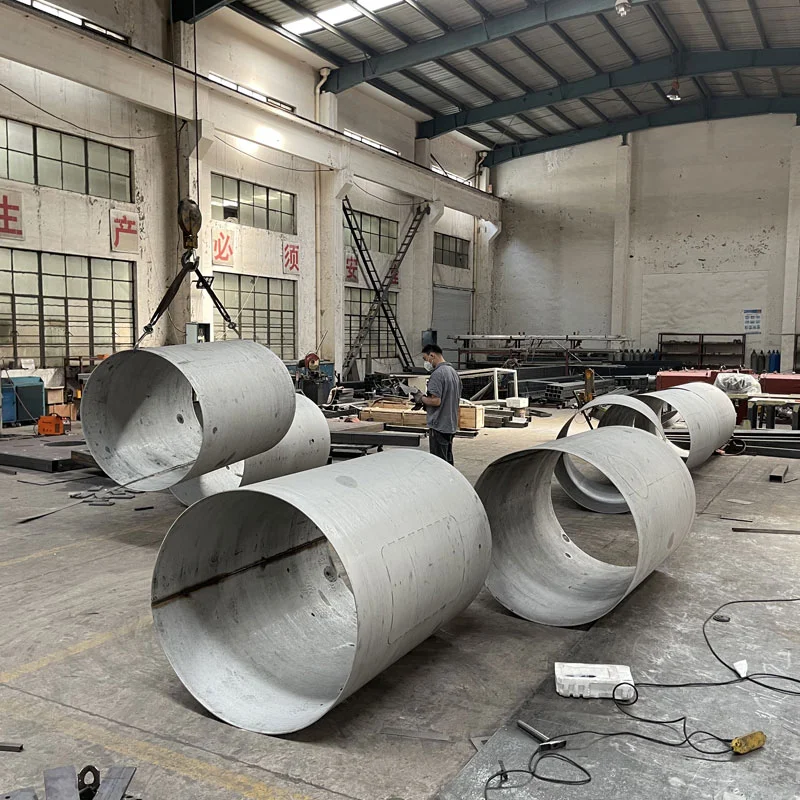
However, in our testing of market dynamics, once your product hits sustained, predictable, and high-volume demand, you must pivot. Relying on contract manufacturers indefinitely suppresses your profit margins. At that tipping point, we urge clients to transition to their own dedicated production lines powered by Xjgmachine equipment, securing total independence and maximizing long-term profitability.
Plastics Industry Association (PLASTICS) - The authoritative body representing the entire plastics supply chain in the United States.
International Organization for Standardization (ISO) - The global entity defining the quality management standards (such as ISO 9001:2015) critical for evaluating top extrusion partners.
Plastics News - The leading media publication offering deep market data and commercial insights into North American plastic processors.
 English
 العربية
 русский
 Español
 français
 português
 Deutsch
 italiano
 Türkçe
 한국어
한국어 日本語
日本語