The global push for closed-loop manufacturing has fundamentally altered how facilities handle post-industrial and post-consumer plastic scrap. Sending massive purgings, defective pipes, or rejected profile extrusions to a landfill is no longer a viable financial strategy. However, the commercial reality of reclaiming this material begins with aggressive size reduction. Finding reliable Industrial plastic shredder manufacturers is the most critical hurdle in your recycling operation. If your shredder fails, your entire downstream extrusion process grinds to a halt.
From our experience engineering advanced extrusion lines at Xjgmachine, we frequently witness clients purchasing inadequate, underpowered shredding equipment. They assume any machine with a rotating blade can handle dense HDPE pipe or glass-filled nylon. This is a catastrophic miscalculation. Shredding dense polymers requires massive torque, meticulously engineered rotor geometry, and robust gearbox protection. In this guide, we take a clear position on the current market. We will evaluate the absolute best Industrial plastic shredder manufacturers, explain whether their specific machine configurations are actually worth buying, and detail how to integrate this equipment seamlessly with your downstream extrusion lines.
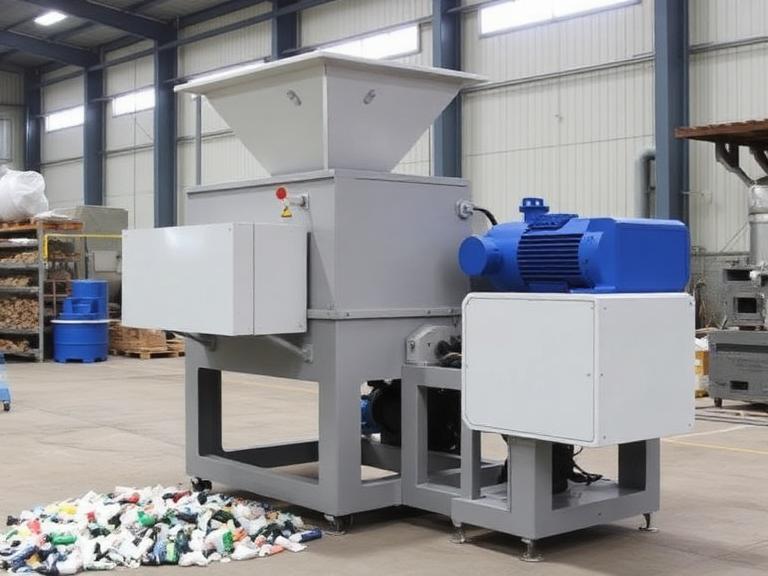
If you are upgrading your facility's size reduction capabilities in 2026, you must select a vendor based on your material throughput and density requirements. In most professional situations, we recommend Vecoplan for highly customizable single-shaft precision, SSI Shredding Systems for brutal, heavy-duty dual-shaft torque, and WEIMA for versatile hybrid processing. Remember, shredding is only the first step. To monetize that regrind, you must pair your shredder with highly efficient downstream equipment. Xjgmachine offers a comprehensive range of Plastic Processing Equipment that includes cutting-edge technology to convert your shredded flakes back into high-value products.
An industrial plastic shredder is a heavy-duty mechanical device designed specifically for primary size reduction. Unlike a granulator—which spins at high speeds to create uniform, tiny pellets—a shredder operates at very low speeds. It is designed to consume massive, bulky materials that would instantly stall or destroy a standard granulator. These materials include large injection molding purgings, thick-walled PVC pipes, dense rubber blocks, and tightly baled agricultural films.
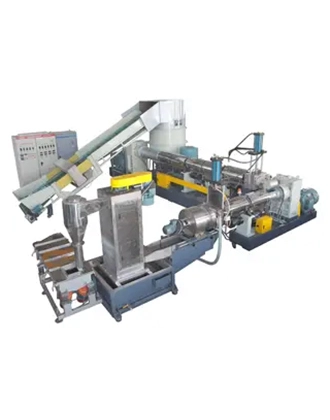
Once the shredder tears these massive objects down into manageable 40mm to 100mm flakes, the material is then transferred to a granulator for final sizing, or fed directly into a robust Plastic Extruder for melting, filtering, and pelletizing.
The mechanics of a shredder rely entirely on torque multiplication. Top Industrial plastic shredder manufacturers utilize massive gearboxes connected to electric or hydraulic drives. The rotors spin slowly—typically between 15 and 100 RPM. This low-speed rotation ensures two critical outcomes: it generates the immense tearing force required to rip through solid plastic, and it prevents the generation of excessive frictional heat.
Heat generation is the enemy of plastic recycling. If a machine spins too fast, the plastic melts, wrapping around the rotor and causing a severe jam. Single-shaft shredders use a hydraulic ram to push the plastic block against a single spinning rotor equipped with square cutting crowns. Dual-shaft shredders pull the material downward between two counter-rotating shafts, aggressively tearing the plastic apart through extreme shearing forces.
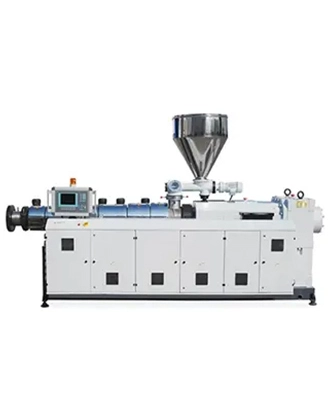
For commercial users, keeping size reduction in-house provides massive financial leverage. Outsourcing scrap processing incurs severe freight costs, as you are essentially paying to transport air within bulky plastic waste. By shredding at your own facility, you condense the waste into dense bins of reusable raw material. This regrind can be immediately blended with virgin resin and fed back into your SJ Single Screw Extruder, effectively eliminating your scrap loss percentage and insulating your business against volatile virgin polymer prices.
We must exercise practical judgment: shredders are not maintenance-free magic boxes. The primary limitation is knife wear. Processing abrasive materials like glass-filled nylon will dull the cutting crowns rapidly, requiring frequent rotation or replacement. Furthermore, shredders are extremely noisy and generate significant dust, necessitating dedicated acoustic enclosures and high-capacity dust collection systems to maintain environmental compliance on the factory floor.
Who should use it: Medium to large-scale injection molders, pipe extruders, automotive part manufacturers, and dedicated recycling facilities. If you generate more than 500 kilograms of scrap per week, a shredder is a mandatory capital investment.
Who does not need it: Small-scale prototype labs or facilities that only generate thin, brittle scrap (like thermoformed blister packs). For light-duty applications, bypassing the shredder and utilizing a standard granulator is far more cost-effective.
From our experience, the most fatal mistake operators make is failing to specify the material correctly to the Industrial plastic shredder manufacturers. A machine engineered to shred rigid PVC pipe will fail catastrophically if you attempt to feed it highly elastic EPDM rubber. Elastic materials stretch and wrap around the shaft. If you are processing elastomeric materials to feed an EPDM Rubber Seal Strip/Profile Extrusion Line, you must specify a shredder with tightly toleranced cutting clearances and specialized cooling mechanisms.
When executing a capital purchase of this magnitude, evaluate the equipment against these strict parameters:
Rotor Design: Does the manufacturer offer application-specific rotors? A V-rotor is ideal for bulky pipes, while a flat rotor excels with heavy purgings.
Drive Protection: Ensure the shredder features an automated reversing sequence. If a foreign object (like a steel bolt) enters the cutting chamber, the machine must instantly detect the torque spike, stop, and reverse the rotor to prevent total gearbox annihilation.
Screen Accessibility: The screen dictates the final flake size. If changing the screen takes your maintenance team four hours, your downtime costs will skyrocket. Look for hydraulic screen cradles that open instantly.
In our rigorous industry analysis, these nine companies represent the pinnacle of reliability, engineering, and aftermarket support.
Hailing from Germany, Vecoplan is globally recognized for manufacturing highly sophisticated, incredibly durable single-shaft shredders. Their VAZ series is legendary in the plastics sector. They excel in providing comprehensive turnkey solutions. If you need a machine that can run 24/7 with minimal operator intervention, Vecoplan is absolutely worth buying.
WEIMA offers an incredibly robust lineup of both single and dual-shaft shredders. Their WLK series is specifically engineered for plastics, featuring a proprietary V-Rotor design that ensures optimal material intake and reduces power consumption. They are highly recommended for facilities processing a wide variety of mixed plastics, from rigid blocks to flexible films.
Based in the United States, SSI specializes in raw, unapologetic power. They are the masters of dual-shaft and quad-shaft technology. If your application is heavy-duty—such as destroying massive, thick-walled automotive fuel tanks or heavily contaminated post-consumer bales—SSI machines provide the brutal torque necessary to tear it apart without stalling.
UNTHA is renowned for its four-shaft shredding technology. By utilizing four rotors and a sizing screen within the same chamber, UNTHA machines can process bulky waste into uniform, defined flakes in a single pass, completely eliminating the need for a secondary granulator in some applications. This is highly efficient for preparing material for PVC compounding in an SJSZ Conical Twin Screw Extruder.
Lindner focuses aggressively on uptime and maintenance efficiency. Their shredders feature large maintenance doors that provide unprecedented access to the rotor, allowing technicians to change cutting knives in a fraction of the time required by competitors. Their Micromat series is highly prized by commercial recyclers who cannot afford extended machine downtime.
Zerma offers a seamless progression from shredding to granulation. Their ZSS single-shaft shredders are specifically tailored for plastic applications. They are an excellent choice for companies looking to purchase a matched shredder and granulator combination from a single vendor, ensuring the output of the shredder perfectly matches the intake capacity of the granulator.
Forrec excels in designing custom-tailored industrial plants. While they offer excellent standalone dual-shaft shredders (like the TB series), their true value lies in their ability to design complete size reduction lines, including heavy-duty conveyors, magnetic separators, and trommel screens, making them ideal for massive municipal recycling facilities.
Originally famous for their indestructible tire shredding equipment, CM Shredders has successfully adapted their brutal cutting technology for the heavy plastics market. If you are dealing with ultra-dense, cross-linked polymers or require crossover capabilities between rubber and plastics—ideal for feeding a Rubber Extrusion Line—CM provides unmatched ruggedness.
A staple in the American plastics industry, Cumberland has decades of experience integrating size reduction directly into the injection molding and extrusion plant ecosystem. Their shredders are highly reliable and supported by an extensive network of parts and service technicians, making them a safe, conservative investment for domestic manufacturers.
| Manufacturer | Primary Strength | Best For |
|---|---|---|
| Vecoplan | Precision German Engineering | High-volume single-shaft processing |
| WEIMA | Energy-efficient V-Rotors | Mixed plastics and flexible films |
| SSI Shredding | Brutal Dual-Shaft Torque | Ultra-thick, heavy-duty purgings |
| UNTHA | Four-Shaft 1-Pass Sizing | Defined uniform flake creation |
| Lindner | Rapid Maintenance Access | Facilities demanding 24/7 uptime |
| Feature | Single-Shaft Shredder | Dual-Shaft Shredder |
|---|---|---|
| Operating Mechanism | Hydraulic ram pushes plastic into a single spinning rotor. | Two counter-rotating shafts pull and shear the material. |
| Output Size | Consistent and definable (uses a sizing screen). | Irregular, long strips (typically lacks a screen). |
| Best Material Match | Massive solid blocks, hard purgings. | Bulky hollow items, IBC totes, contaminated bales. |
| Downstream Processing | Often ready for granulation or direct extrusion. | Requires secondary processing for uniformity. |
| Strategy | Pros | Cons |
|---|---|---|
| In-House Shredding | Eliminates waste freight costs; provides immediate raw material for extrusion; protects proprietary part designs. | Requires significant initial capital expenditure; consumes factory floor space; requires ongoing blade maintenance. |
| Outsourcing to Recyclers | Zero equipment maintenance; frees up facility space; no noise/dust mitigation required. | High transportation fees; variable return quality of regrind; vulnerability to third-party scheduling delays. |
| Target Throughput (kg/hr) | Recommended Motor Size (kW) | Typical Application |
|---|---|---|
| 300 - 500 kg/hr | 22 kW - 37 kW | Small custom profile extrusion lines |
| 800 - 1,500 kg/hr | 45 kW - 75 kW | Medium pipe and sheet manufacturing |
| 2,000+ kg/hr | 90 kW - 150+ kW | Heavy industrial post-consumer recycling facilities |
In most professional situations, purchasing a shredder from elite Industrial plastic shredder manufacturers is only solving half the equation. The true commercial value of size reduction is realized when that material is efficiently reintroduced into your production cycle.
We recommend approaching your recycling strategy holistically. Once you have selected a heavy-duty shredder to break down your scrap, you must pair it with downstream equipment engineered to handle regrind variations. Xjgmachine offer a comprehensive range of Plastic Processing Equipment that includes cutting-edge technology and high-quality machines. Our equipment is suitable for various plastic processing applications, from compounding to thermoforming, and we prioritize durability, efficiency, and user-friendliness.
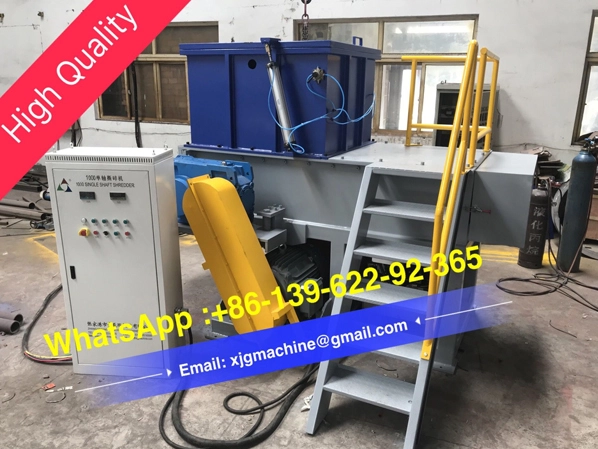
Whether you are feeding shredded nylon flakes into our PA66 GF25 Polyamide Profile Thermal Break Strip Extrusion Line or reprocessing construction scrap via our PE/PP/PVC Warm Edge Spacer Bar Extrusion Line, our products are designed and manufactured to meet the demands of modern plastic production and to help our customers achieve their production goals with ease.
To ensure your recycling infrastructure meets rigorous global safety and operational benchmarks, we recommend consulting the following authoritative sources:
Plastics Industry Association (PLASTICS) - Providing industry-leading guidelines on machinery safety, operational standards, and sustainable recycling practices.
U.S. Environmental Protection Agency (EPA) - Federal guidelines on post-industrial plastic scrap management, emissions, and environmental compliance for recycling facilities.
International Organization for Standardization (ISO) - Specifically ISO 12100 regarding machinery safety and risk assessment standards applied by top-tier shredder manufacturers.
 English
 العربية
 русский
 Español
 français
 português
 Deutsch
 italiano
 Türkçe
 한국어
한국어 日本語
日本語