In the high-stakes environment of commercial plastic recycling and manufacturing, your entire production line is only as reliable as your size-reduction equipment. Purchasing an underpowered shredder for heavy purging waste or selecting the wrong rotor geometry for thin film will immediately result in catastrophic shaft jamming, burnt-out motors, and completely stalled operations. The market is flooded with generic equipment claiming to handle "all plastics," but as industry veterans, we know this is a mechanical impossibility.
From our experience engineering advanced extrusion and recycling systems at Xjgmachine, evaluating the best shredders for plastic waste requires a ruthless analysis of material characteristics, required throughput, and long-term operating costs. You must align the machine's torque, blade metallurgy, and screen size directly with your specific polymer waste stream. In this comprehensive guide, we strip away the marketing fluff to deliver practical, commercial-grade advice. We will explore the mechanics behind heavy-duty shredding, analyze the top equipment categories, and provide you with the exact criteria needed to make a profitable capital expenditure.
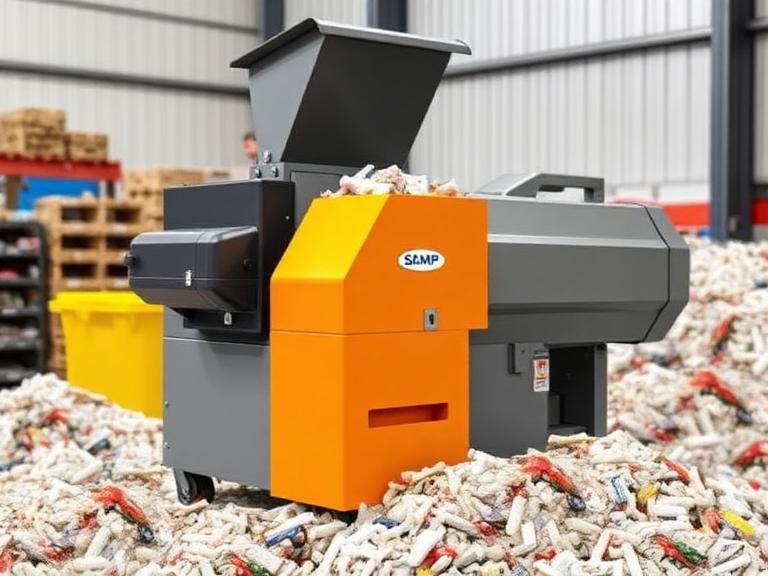
The best shredders for plastic waste are categorized entirely by the physical form and volume of the material you are processing. For commercial users handling bulky, rigid plastics (such as thick purgings, IBC totes, or large HDPE pipes), a Double Shaft Shredder is the undisputed champion due to its low-speed, high-torque shearing action. For users needing to process soft films, woven bags, or injection molding runners into uniform, measurable flakes, a Single Shaft Shredder paired with a secondary Plastic Crusher is the optimal, industry-standard solution. We recommend evaluating equipment based strictly on torque output, blade alloy (e.g., D2 or SKD11 steel), and ease of maintenance.
A plastic shredder is heavy-duty industrial machinery designed for the primary stage of size reduction. Before post-consumer or post-industrial plastic can be washed, melted, and fed into a Plastic Extruder, it must be broken down from bulky, irregular shapes into manageable pieces. This is fundamentally different from a granulator, which operates at high speeds to chip plastics into tiny granules. Shredders are the brute-force workhorses of the recycling line.
How it works relies on the principles of high torque and low rotational speed (RPM). The shredder utilizes hardened alloy blades mounted on heavy hexagonal or octagonal shafts. As a hydraulic ram pushes the raw plastic waste against the rotating cutting shaft, the blades bite into the material. The low RPM ensures the machine does not generate excessive friction heat—which is critical, as overheating will cause thermoplastic materials to melt and wrap around the shaft, destroying the bearings.
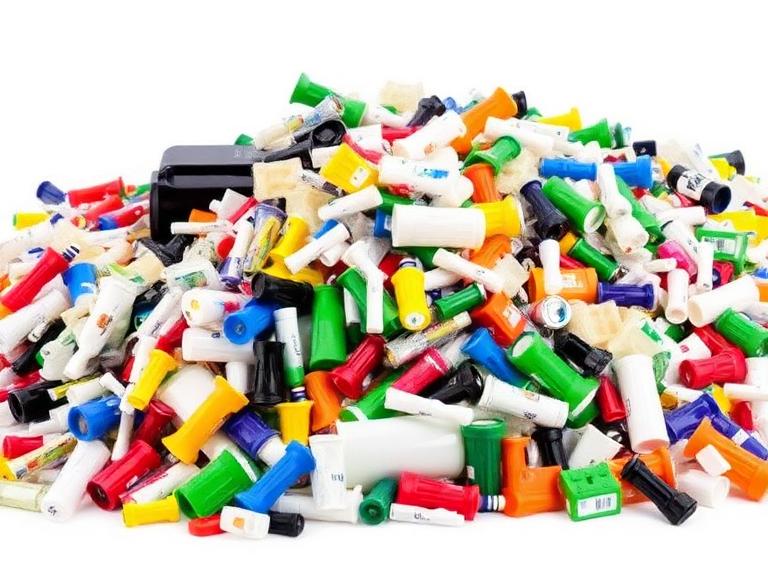
In most professional situations, the decision to install a primary shredder unlocks massive commercial benefits. First, it significantly increases the bulk density of your waste, reducing transportation and storage costs. Second, pre-shredding material reduces the wear and tear on your downstream secondary granulators. By feeding uniform chunks into your Plastic Recycling Machine, you stabilize the melt pressure, resulting in vastly superior recycled pellet quality.
However, there are inherent limitations. Shredders require substantial capital expenditure and significant electrical infrastructure. They are also incredibly heavy; floor loading capacity must be evaluated before installation. Furthermore, blade maintenance is highly specialized. When blades dull, they cannot be sharpened by a novice; they require precise grinding and re-installation to maintain the micro-clearance between the rotary and fixed knives.
For commercial users and heavy-duty applications: Injection molding facilities, post-consumer recycling plants, pipe extrusion factories, and municipal waste management centers must utilize industrial shredders. If your facility generates large start-up purgings, defective pallets, or massive rolls of agricultural film, a primary shredder is non-negotiable for reclaiming that material value.
Who does not need it: For beginners, small desktop manufacturing operations, or facilities generating less than 50kg of small, thin-walled scrap per day, a massive shredder is financial overkill. In these scenarios, a standard, compact Plastic Crusher is entirely sufficient to process immediate scrap back into the hopper.
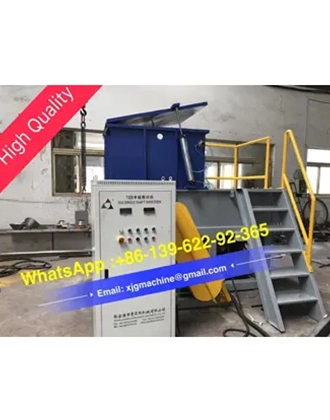
For sheer destructive power against thick, rigid plastics, automotive bumpers, and massive purgings, the double shaft configuration is unmatched. Operating with two counter-rotating shafts, it grabs and shears material with immense torque. It operates without a screen, meaning material falls through as soon as it is cut, preventing jamming.
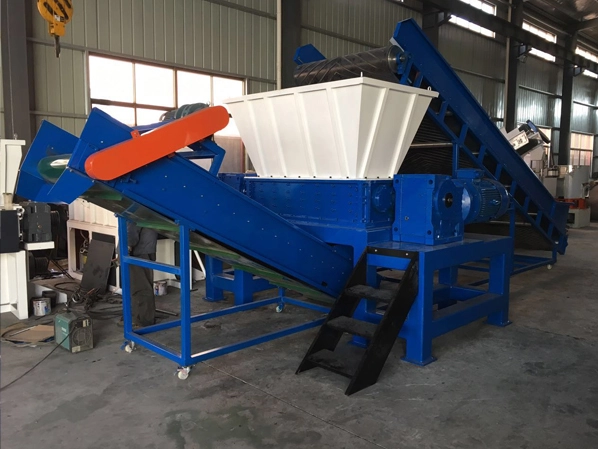
Engineered for maximum torque and absolute reliability. This unit is the cornerstone for high-volume rigid plastic reduction, featuring dual 22kw motors and an oversized hopper to swallow entire plastic pallets and IBC totes without pre-cutting.
Number of Rotary blades: 60
Shaft rotary speed: 65 r/min
NO. of Fixed blades: 4
Shaft diameter: 255 mm
Hopper opening: 1600*1400 mm
Motor power: 22*2 kw
Capacity: 600-800 kg/h
Machine weight: 4500 kg
The Single Shaft Shredder is the most versatile machine in the recycling industry. It uses a hydraulic pusher to force material against a single rotating rotor. Because it features a sizing screen beneath the rotor, you can precisely control the output size of the shredded plastic, making it ideal for immediate secondary processing.
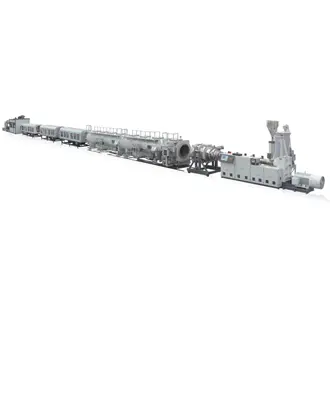
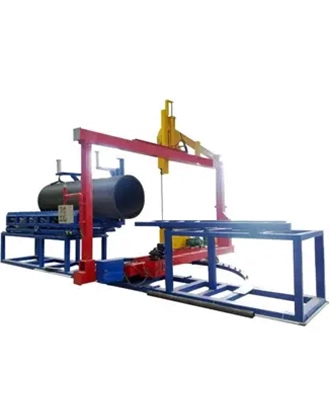
When operating a Plastic Pipe Production Line, you will inevitably produce scrap lengths of PVC or HDPE pipe. Trying to feed a 6-meter pipe into a vertical hopper is dangerous and inefficient. A Horizontal Shredder allows operators to feed long profiles flat along the ground into a specialized hydraulic trough that pushes the pipe into the rotor.
While technically the final step in size reduction, the Plastic Pulverizer Machine deserves a spot for manufacturers who need to turn PVC or PE scrap into a fine, flowable powder. This is essential for rotational molding or returning PVC back into the twin-screw extrusion process seamlessly.
Often used in tandem with a primary shredder, high-speed crushers take the fist-sized chunks from a double-shaft shredder and reduce them into 10mm flakes. They are perfect for processing hollow containers, PET bottles, and thin-walled injection rejects.
Processing LDPE agricultural film or PP woven bags is notoriously difficult because the flexible material wraps around standard rotors and melts. Specialized film shredders feature anti-wrapping shaft designs and V-shaped blade layouts to slice the film cleanly without friction buildup.
For manufacturers producing large, hollow buoys, such as the Plastic Floater/HDPE Pipe Floater, custom shredders with massive throat openings are required. These machines are designed with specific rotor geometries that prevent hollow, bouncy objects from "dancing" on top of the blades without being pulled in.
In our testing and consulting across global recycling facilities, the most expensive mistake buyers make is prioritizing horsepower over torque. A high-speed, high-horsepower motor will stall immediately if it lacks the gearbox reduction necessary to generate massive shearing torque. You are cutting solid blocks of polymer; speed is the enemy, torque is your friend.
Another catastrophic error is ignoring blade metallurgy. Standard carbon steel blades will dull within a week if you are shredding glass-filled nylon or heavily contaminated agricultural films. You must specify premium alloy tool steel (such as D2, SKD11, or Cr12MoV) and ensure the blades are surface hardened for maximum wear resistance.
Before issuing a purchase order, you must evaluate three core metrics. First, what is the physical dimensions of your largest scrap piece? The hopper opening must be larger than your scrap to avoid manual pre-cutting labor. Second, what is your required hourly throughput (kg/h)? Always buy a machine rated for 20% more capacity than you currently need to accommodate future growth and prevent running the machine at 100% load continuously.
Finally, consider maintenance accessibility. Can your technicians safely access the rotor to change blades? Does the machine feature an automated PLC system with auto-reverse capabilities? An auto-reverse function will detect a rotor jam, instantly reverse the shaft to clear the blockage, and resume forward motion, preventing motor burnouts.
| Machine Type | Primary Mechanics | Best Suited For |
|---|---|---|
| Double Shaft Shredder | Low speed, ultra-high torque, no screen. | Bulky purgings, massive rigid lumps, tires, pallets. |
| Single Shaft Shredder | Hydraulic pusher, sizing screen. | Uniform size reduction, hard plastics, wood, paper. |
| Horizontal Shredder | Ground-level hydraulic feeding trough. | Long PVC/HDPE pipes, siding profiles. |
| Plastic Crusher | High-speed rotary chipping. | Thin-walled scrap, PET bottles, secondary reduction. |
| Feature | Single Shaft Shredder | Double Shaft Shredder |
|---|---|---|
| Output Size Control | Excellent (Controlled by internal screen) | Poor (Determined by blade width, random lengths) |
| Feeding Mechanism | Hydraulic ram pushes material | Gravity fed, blades pull material in |
| Best Material Match | Medium rigid plastics requiring specific flake size | Massive, heavy purgings requiring extreme shearing force |
| Maintenance Complexity | Moderate (Screen changes required) | High (Complex blade interlocking geometry) |
| Pros | Cons |
|---|---|
| Turns worthless, bulky scrap into highly valuable regrind. | High initial capital expenditure (CapEx). |
| Reduces storage footprint and transportation logistics costs. | Blades require specialized sharpening and replacement. |
| Automates waste processing, reducing manual labor injuries. | Generates significant industrial noise (requires acoustic planning). |
| Protects sensitive downstream extruders from massive jams. | Requires robust 3-phase industrial power infrastructure. |
| Waste Material | Recommended Machine Type | Critical Specification Focus |
|---|---|---|
| Thick Die Purgings / Lumps | Double Shaft Shredder | Maximum motor torque, minimum 250mm shaft diameter. |
| Long HDPE/PVC Pipes | Horizontal Shredder | Trough length must exceed longest pipe scrap. |
| PET Bottles / Thin Containers | High-Speed Crusher | Blade RPM and water-cooling availability for washing. |
| PE/PP Film and Woven Bags | Specialized Single Shaft Film Shredder | V-shaped rotor design to prevent film wrapping. |
From our extensive experience outfitting polymer recycling facilities globally, we firmly recommend building a two-stage reduction system for commercial viability. Do not attempt to force a single machine to do everything. We advise installing the Xjgmachine Double Shaft Shredder as your primary line of defense to obliterate bulky purgings and pallets. The material should then transition via conveyor into a secondary high-speed plastic crusher to achieve a uniform 10mm-12mm flake size.
By separating the high-torque shearing action from the high-speed granulating action, you drastically extend the lifespan of your cutting tools, lower your energy consumption spikes, and guarantee a steady, reliable feed of material into your Plastic Extruder. Investing in specialized, purpose-built machinery from an experienced manufacturer will ultimately yield a much faster return on investment than purchasing undersized, generic equipment.
A shredder operates at low speeds with incredibly high torque to tear apart massive, thick, and tough plastic pieces. A granulator (or crusher) operates at high speeds to chip smaller plastic pieces into uniform flakes or granules. Shredders are for primary reduction; granulators are for secondary sizing.
Blade lifespan depends entirely on the material being processed and the blade metallurgy. Shredding clean PP/PE allows blades to last for several months before requiring rotation or sharpening. However, shredding glass-filled engineering plastics or dirty agricultural film with sand contamination will dull blades in a matter of weeks.
While a heavy-duty double shaft shredder can easily chew through incidental metal (like nails in a wood pallet or thin aluminum caps), routinely feeding solid metal into a plastic-configured shredder will chip the hardened blades and severely degrade their cutting efficiency for polymers.
An auto-reverse function, managed by the PLC, protects the machine. If an uncrushable object enters the cutting chamber or too much material creates a jam, the motor experiences a massive amperage spike. The system detects this, stops, reverses the shafts to clear the jam, and restarts forward motion, preventing the motor from burning out.
To ensure your facility complies with industrial manufacturing and safety protocols, we recommend reviewing standards established by the following organizations:
Plastics Industry Association - Guidelines for safe machinery operation and recycling best practices.
Environmental Protection Agency (EPA) - Data regarding plastic waste management and industrial recycling targets.
International Organization for Standardization (ISO) - Specifically ISO 12100 for safety of machinery and risk assessment protocols.
 English
 العربية
 русский
 Español
 français
 português
 Deutsch
 italiano
 Türkçe
 한국어
한국어 日本語
日本語