In the infrastructure, mining, and municipal water sectors, the integrity of your pipeline is entirely dependent on the quality of your welds. A failed joint does not just cause a leak; it causes catastrophic environmental damage, massive excavation costs, and severe operational downtime. Relying on outdated or underpowered fusion equipment is a commercial liability that no serious contractor can afford in 2026.
From our experience engineering and distributing industrial plastics machinery at Xjgmachine, we witness contractors making the same fatal error: prioritizing the cheapest initial equipment cost over consistent hydraulic performance and thermal stability. The reality is that the market for hdpe pipe welding machines is flooded with generic, poorly calibrated equipment that cannot maintain the specific heat and pressure parameters required to achieve a flawless homogeneous bond. In this uncompromising guide, we will break down the top 10 configurations on the market, explain exactly what separates professional-grade equipment from amateur tools, and provide clear directives on whether upgrading your current fusion fleet is actually worth the capital expenditure.
If you are joining high-density polyethylene (HDPE) pipes for commercial water distribution, natural gas, or mining, you need a hydraulic butt fusion machine capable of maintaining exact interfacial pressure. We recommend the Xjgmachine RHD Butt Welding Machine series for standard trench work and long pipeline runs due to its robust hydraulic carriage and precise digital temperature control. For tight spaces and smaller diameters, a Socket Fusion Welding Machine is essential. Ultimately, whether a machine is worth buying depends on your pipe diameter requirements and your operational volume—commercial contractors should exclusively invest in automated or semi-automated hydraulic units to eliminate human error.
An HDPE pipe butt welding machine is a specialized piece of industrial equipment engineered to permanently join two pieces of thermoplastic pipe. Unlike metal welding, which uses a filler material to bridge a gap, HDPE welding creates a monolithic joint. The machine trims the pipe ends to be perfectly parallel, heats them to a precise melting point (typically between 400°F and 450°F), and then forces them together under controlled hydraulic pressure.
When executed correctly, the molecular chains of the two pipes entangle as they cool, resulting in a joint that is equal to, or stronger than, the original pipe wall itself. These machines are the backbone of modern municipal water networks, natural gas delivery systems, and aggressive chemical processing plants.
In most professional situations, understanding the mechanics of your equipment separates a successful contractor from one facing constant rework. The operation of premium hdpe pipe welding machines relies on a strict sequence of events:
Facing: The machine's carriage secures the pipes. An electric facer (planer) is lowered between the ends, shaving them down until they are perfectly flush and free of oxidation.
Heating (Heat Soak): A PTFE-coated heating plate is inserted. The pipe ends are pressed against the plate. The machine must maintain a precise temperature to melt the pipe wall without scorching or degrading the polymer.
Fusion: The heater is rapidly removed, and the carriage forces the melted ends together. The hydraulic system must maintain a specific "drag pressure" plus the fusion pressure to ensure a uniform bead rolls back on both sides of the joint.
Cooling: The joint must remain under pressure while it cools naturally. Removing pressure prematurely will instantly ruin the structural integrity of the weld.
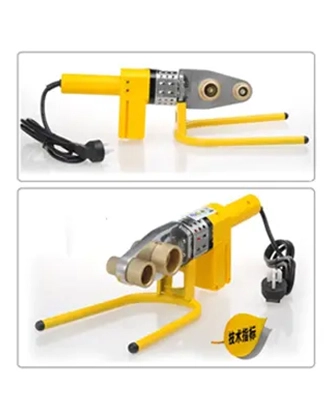
HDPE Pipe Butt Welding Machine is an essential piece of equipment used to join high-density polyethylene pipes. HDPE butt welding machine is a reliable, efficient, and cost-effective method of welding that creates a strong and durable joint. HDPE pipe welding machines use an electric heating plate to melt the ends of the pipes, which are then pressed together under specific conditions. HDPE pipe butt welding machines are commonly used in various industries, including water distribution, natural gas supply, and mining, to create joints in the pipelines. These machines come in different sizes and models, suitable for welding pipes of varying diameters and wall thickness. QING CHEN YU is a professional manufacturer and supplier of HDPE Welding Machines, that provides high quality HDPE pipe butt welding machine solutions. Contact us now for more information.
The term "best" is relative to your specific application. A machine perfect for a 63mm residential water line is useless on a 1600mm mining slurry pipe. Here is our definitive breakdown of the best configurations and models dominating the 2026 landscape.
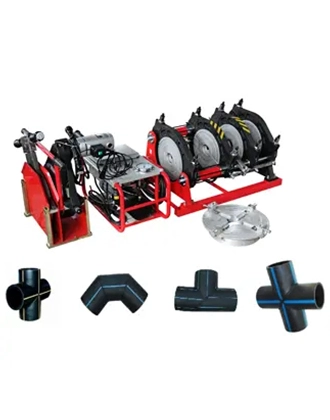
For heavy-duty applications, the RHD Butt Welding Machine is the undisputed flagship. It covers a massive range of diameters and utilizes a highly responsive hydraulic station. This machine is built to survive brutal trench conditions while delivering laboratory-grade pressure control. If you are a municipal contractor, this is your primary workhorse.
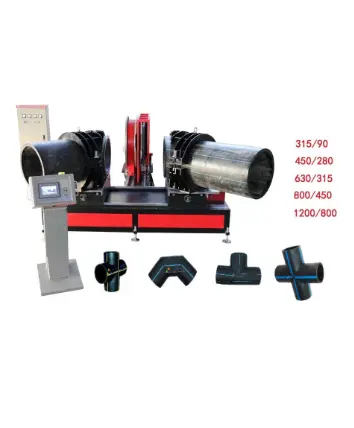
Fabricating fittings in the trench is nearly impossible. The RHJ Multi-Angle Fitting Elbow Welding Machine is a shop-based unit specifically designed to manufacture elbows, tees, and crosses. For commercial users operating fabrication shops, this machine eliminates the need to buy expensive pre-molded fittings, offering massive cost-benefit advantages.
For smaller diameters (typically 20mm to 110mm), butt fusion is overkill. A Socket Fusion Welding Machine uses female and male heating dies to simultaneously heat the outside of the pipe and the inside of a fitting. It is lightning-fast, highly portable, and the definitive choice for indoor plumbing and HVAC installations.
In regions with strict natural gas regulations, manual pressure control is no longer acceptable. CNC (Computer Numerical Control) machines fully automate the heating, fusion, and cooling cycles based on inputted pipe parameters. They generate a digital weld log for every joint. They are expensive, but absolutely worth buying if your contracts require audited quality assurance.
For cross-country pipelines and remote mining operations, dragging a wheeled chassis through the mud is a logistical nightmare. Track-mounted machines feature self-contained diesel generators and hydraulic tracks, allowing the machine to drive itself down the pipeline route. They are heavy-duty application beasts.
When you are in a collapsed trench with six inches of clearance, a standard carriage machine will not fit. Electrofusion machines use special fittings with embedded heating coils. You input the barcode on the fitting, and the machine delivers exact electrical current to melt the joint from the inside out. They are essential for repair work.
For beginners or operations strictly handling non-critical, low-pressure irrigation lines (under 160mm), manual lever-operated machines offer a low barrier to entry. However, we do not recommend them for commercial gas or high-pressure water, as maintaining exact fusion pressure by hand is highly subjective and prone to failure.
Used for massive desalination plants, sewer outfalls, and penstocks. These machines require cranes to operate the facer and heater plates. They are specialized, low-volume machines that rely on immense hydraulic cylinders to generate the necessary interfacial pressure across massive surface areas.
Designed with a top-loading carriage, these machines are built specifically to drop down into narrow, shored trenches. They allow operators to perform tie-in welds without requiring massive excavation footprints, saving thousands of dollars in earthmoving costs.
When dragging hundreds of feet of heavy-wall HDPE pipe across rough terrain to make a tie-in weld, standard hydraulic cylinders will stall. High-drag machines are equipped with oversized hydraulic pumps designed specifically to overcome immense drag resistance before applying the final fusion pressure.
Is it actually worth upgrading from a budget, imported manual welder to a commercial-grade hydraulic unit? Yes. In our testing, the cost of a single failed weld—factoring in excavation, cutting out the bad joint, re-welding, and project delays—often exceeds the price difference between a cheap machine and a premium Xjgmachine unit. Commercial equipment offers uniform heat distribution across the PTFE plate, preventing "cold spots" that cause brittle joints. Furthermore, robust hydraulic manifolds prevent pressure bleed-off during the critical cooling phase.
We must apply commercial and practical judgment: butt fusion machines are not universal solutions. Their primary limitation is space. You need significant clearance to load the pipe, position the facer, and retract the carriage. If you are doing a final tie-in weld in a crowded vault, a butt fusion machine will not fit; you must transition to electrofusion. Additionally, butt fusion creates an internal bead that restricts flow slightly—in ultra-high-purity semiconductor lines, this internal bead may be unacceptable, requiring specialized beadless welding techniques.
For commercial users and infrastructure contractors: Owning a fleet of properly maintained, calibrated hdpe pipe welding machines is non-negotiable. If you are installing municipal water mains, forced sewer mains, or industrial chemical lines, you must use hydraulic butt fusion or electrofusion.
Who does not need it: If you are a facility manager who occasionally repairs a broken 1-inch PVC or HDPE landscape irrigation line, buying a $5,000 hydraulic butt welder is absurd. A simple Socket Fusion Welding Machine or mechanical compression fittings will suffice for low-pressure, small-diameter maintenance.
From our experience, human error is the leading cause of joint failure, not machine malfunction. The most common mistakes include:
Inadequate Cleaning: Failing to wipe the pipe ends with 90%+ isopropyl alcohol before facing leaves oils and dirt in the fusion zone.
Incorrect Drag Pressure Calculation: Operators frequently forget to measure the drag pressure (the force required to move the pipe) and add it to the required fusion pressure. This results in under-pressurized, weak welds.
Rushing the Cooling Time: Pulling the pipe out of the machine before it has fully cooled under pressure causes internal stress fracturing.
When evaluating hdpe pipe welding machines, prioritize these features:
Hydraulic Reliability: The hydraulic station must be capable of holding pressure without the pump running continuously. Look for high-quality accumulator systems.
Facer Motor Torque: Heavy-wall pipes will stall a weak electric facer. Ensure the motor is geared for high torque, not just high speed.
Inserts and Reducers: Check the cost and availability of aluminum reduction inserts. You want a machine that comes with a full master set of inserts to handle various pipe SDRs and diameters immediately.
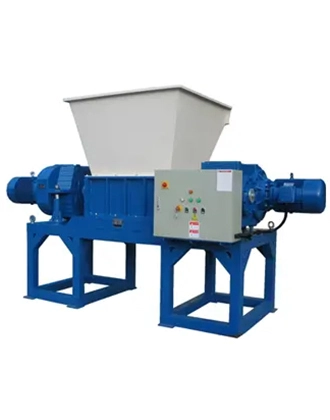
Ecosystem Integration: Consider how this fits into your broader operation. For example, if you run a recycling facility using a Single Shaft Shredder for scrap plastic, having cohesive equipment from a single reputable manufacturer simplifies maintenance and parts sourcing. Furthermore, integrating a Plastic Pipe Laser Printer on your line ensures every welded section is perfectly traceable.
In most professional situations, we recommend avoiding "hybrid" machines that claim to do everything poorly. Invest in dedicated, rugged equipment. For standard municipal and industrial trench work, the Xjgmachine RHD Butt Welding Machine offers the highest return on investment. It provides the heavy-duty carriage rigidity required to keep large pipes perfectly aligned, combined with intuitive temperature and pressure controls that reduce operator fatigue. It is an industrial asset that will actively protect your company from liability by ensuring every joint meets stringent ISO and ASTM fusion standards.
| Machine Type | Primary Mechanism | Best Application Scenario |
|---|---|---|
| Hydraulic Butt Fusion | Heating plate + Hydraulic carriage | Long pipeline runs, municipal water/gas. |
| Socket Fusion | Heating dies (Male/Female) | Small diameters, indoor plumbing, HVAC. |
| Electrofusion | Electrical current to embedded coils | Tight spaces, repairs, tie-ins. |
| Workshop Fitting Welder | Multi-angle hydraulic clamping | Fabricating elbows, tees, and crosses in-shop. |
| Feature | Butt Fusion | Electrofusion |
|---|---|---|
| Cost per Joint | Very Low (No fittings required) | High (Expensive engineered fittings required) |
| Space Required | Large footprint for carriage and facer | Minimal (Only requires access to terminals) |
| Joint Preparation | Facing required | Scraping and peeling required |
| Primary Use | New pipeline construction | Repairs and complex tie-ins |
| Machine Type | Pros (Advantages) | Cons (Limitations) |
|---|---|---|
| Hydraulic Butt Welder | Exact pressure control; eliminates human fatigue; compliant with commercial gas/water standards; generates automated logs (if CNC). | Higher initial capital cost; heavier and harder to transport; requires a power generator. |
| Manual Butt Welder | Low cost; lightweight and highly portable; easy to maintain. | Pressure relies entirely on operator feel; high risk of cold welds; unacceptable for commercial high-pressure lines. |
| Pipe Diameter Range | Recommended Machine Configuration | Why This Matters |
|---|---|---|
| 20mm - 110mm | Socket Fusion Welder | Fastest processing time for small, flexible lines. |
| 63mm - 315mm | Compact Hydraulic Butt Welder | Offers perfect balance of portability and necessary hydraulic force. |
| 315mm - 1600mm | Heavy-Duty RHD Butt Welding Machine | Massive drag pressure is required to move heavy-walled large diameter pipes. |
When properly fused using commercial-grade hdpe pipe welding machines, an HDPE joint is structurally stronger than the pipe itself. Industry standards project a lifespan of 50 to 100 years for a correctly executed butt fusion weld under normal operating conditions.
No. In most professional situations, introducing moisture into the fusion zone causes voids and rapid cooling, which severely compromises joint integrity. You must use a welding tent to protect the heating plate and pipe ends from rain, snow, or extreme wind.
Neither is inherently better; they serve different purposes. Butt fusion is more cost-effective for long, straight pipeline runs because it does not require expensive fittings. Electrofusion is superior for tight spaces, repair work, or connecting fittings where a large carriage machine cannot physically fit.
To ensure your welding procedures meet stringent global safety and engineering benchmarks, we advise referencing the following organizations:
ASTM International - Governing the F2620 standard practice for heat fusion joining of polyethylene pipe and fittings.
Plastics Pipe Institute (PPI) - Providing comprehensive technical reports (TR-33) on generic butt fusion procedures for HDPE.
International Organization for Standardization (ISO) - Dictating the ISO 21307 standards for butt fusion welding procedures and equipment parameters globally.
 English
 العربية
 русский
 Español
 français
 português
 Deutsch
 italiano
 Türkçe
 한국어
한국어 日本語
日本語