The manufacturing sector is saturated with generic advice regarding plastic forming processes, leaving production managers and facility operators without actionable, commercial-grade guidance. If your operation relies on continuous profile manufacturing, understanding the exact capabilities of your equipment is not optional; it is the baseline for profitability. When transitioning from batch processing to continuous extrusion, identifying the precise market applications dictates the machinery you must procure.
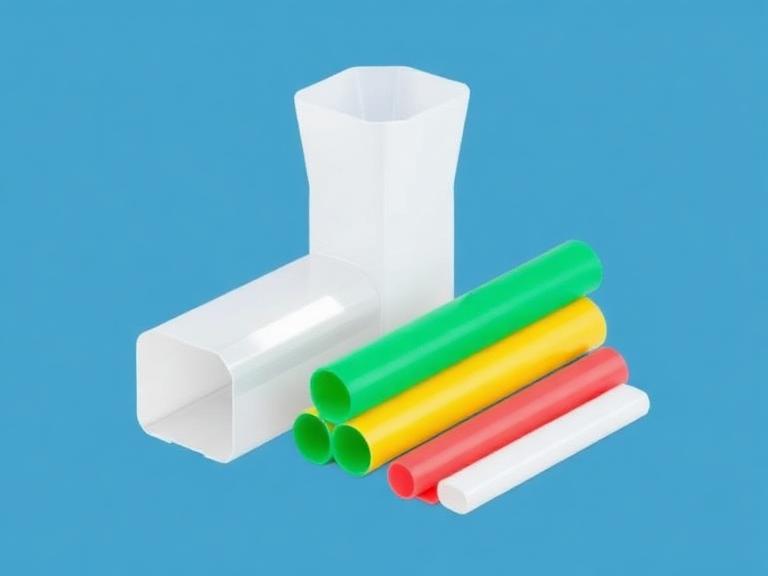
From our experience engineering advanced manufacturing systems at Xjgmachine, we witness companies routinely mismatch their resin formulations with their extruder architecture simply because they fail to understand the vast spectrum of the plastic extrusion products list. We do not deal in theoretical engineering; we deal in practical, heavy-duty applications. This comprehensive guide details the eight primary types of plastic extrusion products, the mechanics behind producing them efficiently, and the specific machinery required to turn raw polymer into viable commercial assets.
The definitive plastic extrusion products list encompasses eight primary categories produced via continuous profile manufacturing: 1. Pipes and Tubing (PVC, PPR), 2. Weatherstripping and Seals (EPDM, TPE), 3. Window and Door Profiles (PA66 thermal breaks), 4. Wire and Cable Insulation, 5. Plastic Films and Sheeting, 6. Structural Fencing and Decking, 7. Medical Tubing, and 8. Edge Banding and Warm Edge Spacers. Successfully manufacturing these products requires matching the specific polymer (e.g., highly filled PVC versus flexible PE) to the correct extruder design (single screw versus conical twin screw) to ensure continuous, defect-free output.
Plastic extrusion is a high-volume manufacturing process wherein raw plastic material (typically in pellet or powder form) is melted and formed into a continuous profile. Unlike injection molding, which creates discrete, three-dimensional objects in a closed mold, extrusion is designed strictly for two-dimensional profiles of continuous length.
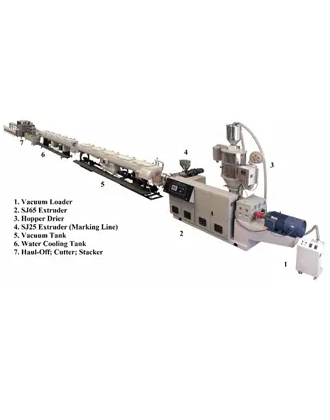
How it works is fundamentally a thermodynamic and mechanical balancing act. The raw polymer is gravity-fed from a hopper into a heated barrel. Inside this barrel, a rotating screw (or twin screws) subjects the plastic to intense shear stress and heat. In most professional situations, the frictional heat generated by the screw is actually greater than the heat provided by the external barrel heaters. The homogeneous melt is then forced through a precision-machined die, which dictates the final shape. Upon exiting the die, the profile enters a vacuum calibration and water cooling tank to solidify its dimensions before being cut or coiled.
To help you make an informed usage and buying decision, here is the detailed breakdown of the primary plastic extrusion products list, including the machinery required to produce them at scale.
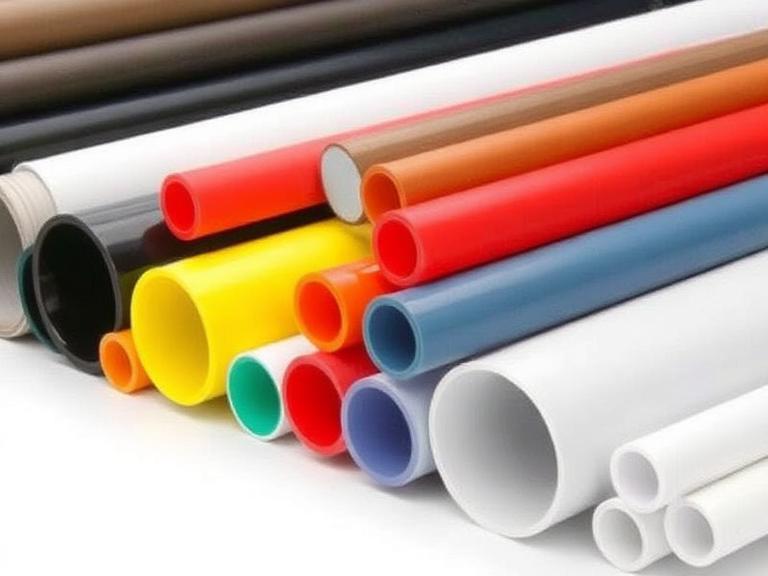
Pipes are the undisputed cornerstone of the extrusion industry. Ranging from rigid PVC sewer lines to flexible PPR potable water distribution systems, pipes demand high throughput and strict dimensional tolerances. For commercial users entering this space, we recommend deploying a dedicated PVC Pipe Production Line for rigid applications. If you are manufacturing hot and cold water plumbing, a specific PPR Pipe Production Line is mandatory due to the different melt characteristics of polypropylene random copolymer.
Automotive, aerospace, and architectural sectors rely heavily on extruded rubber and elastomer seals to prevent water and air ingress. These products range from dense rubber gaskets to sponge-like door seals. Because vulcanization is often required post-extrusion, you cannot use a standard plastic extruder. For heavy-duty applications, we explicitly recommend an EPDM Rubber Seal Strip/Profile Extrusion Line or a comprehensive Rubber Extrusion Line designed specifically for thermoset materials.
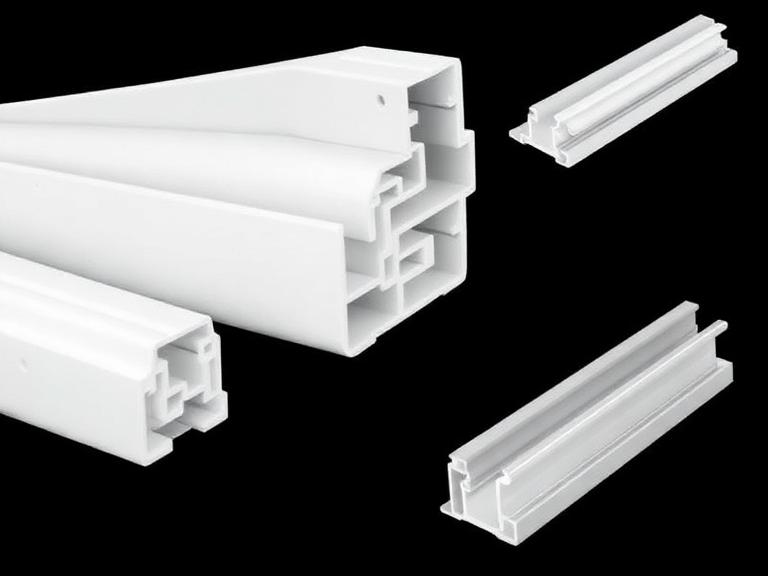
Modern energy-efficient aluminum windows require a thermal break to prevent heat transfer. This is achieved by extruding rigid polyamide (PA66) strips reinforced with fiberglass. These profiles are highly complex and abrasive to machinery. To produce these successfully, you must utilize specialized equipment like the PA66 GF25 Polyamide Profile Thermal Break Strip Extrusion Line, which features wear-resistant screws and specialized calibration tables.
In the double-glazing window industry, traditional aluminum spacers are being rapidly replaced by "warm edge" technology. These plastic spacers (often made from PE, PP, or PVC) reduce condensation and thermal bridging. Producing these requires a PE/PP/PVC Warm Edge Spacer Bar Extrusion Line capable of co-extruding multiple materials (such as a structural plastic backbone with a thin metallic diffusion barrier).
Every electrical cable on the planet features extruded plastic jacketing. The process involves pulling a bare copper or aluminum wire through the center of an extrusion die (a crosshead die), where the molten plastic coats the wire evenly. Standard materials include PVC, PE, and specialized low-smoke zero-halogen (LSZH) compounds.
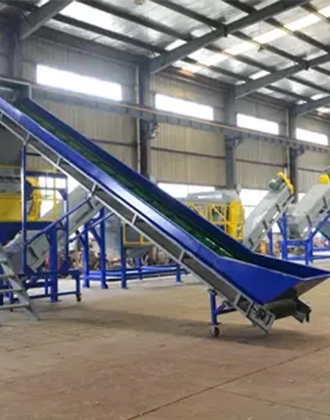
From agricultural greenhouse covers to supermarket grocery bags, blown film and cast film extrusion produce vast quantities of thin plastic sheeting. The sustainability of this sector relies heavily on post-consumer processing. Facilities often integrate an LDPE BOPP Film Recycling and Washing Line to re-pelletize scrap film, which is then fed back into the primary film extruders to reduce raw material costs.
Catheters, IV lines, and respiratory tubing fall under this category. Medical extrusion requires ISO-certified cleanroom environments and highly specialized extruders that prevent any material stagnation or degradation. Materials like medical-grade PVC, polyurethane, and silicone are utilized, demanding extreme precision in diameter control.
Wood Plastic Composite (WPC) decking and rigid PVC fencing have overtaken traditional timber in outdoor construction. These profiles are massive and require tremendous extrusion pressure. WPC combines wood flour with PE or PVC, necessitating aggressive compounding and venting during the extrusion process to remove moisture from the organic fibers.
The primary benefit of plastic extrusion is the unmatched cost-efficiency for continuous volume. Once an extrusion line is calibrated and running, the cost per linear foot of product drops drastically compared to any other manufacturing method. The capability to co-extrude (combining a rigid core with a soft outer seal in a single pass) allows for highly functional, multi-material profiles.
However, we must address the limitations. Extrusion cannot create closed ends, varying cross-sections, or complex 3D geometries. If your product requires variable thickness along its length, extrusion is the wrong choice. Furthermore, the initial setup—designing the die, calibrating the vacuum tank, and dialing in the temperature zones—results in significant material waste during the startup phase.
For commercial users scaling construction materials, automotive sealing systems, packaging, or plumbing components, continuous extrusion is a mandatory operational asset. If you require millions of feet of a uniform product annually, you must bring extrusion in-house.
Who does not need it? For beginners operating rapid prototyping firms, short-run customized hardware shops, or manufacturers of discrete enclosed housings (like electronics casings), an extrusion line is a useless capital expenditure. In those scenarios, injection molding or 3D printing is the correct commercial path.
In our testing and field deployments, the most catastrophic mistake operators make is deploying the wrong screw geometry for their resin. For example, processing rigid PVC powder requires a twin-screw extruder to prevent thermal degradation while ensuring adequate mixing. Using a standard SJ Single Screw Extruder for heat-sensitive rigid PVC will result in burning, inconsistent melt flow, and immediate die blockage.
Another common failure is inadequate cooling length. Running the extruder at maximum RPM without extending the water calibration tank means the core of the plastic profile will remain molten as it hits the haul-off unit, resulting in severe dimensional warping and rejected inventory.
When executing a procurement strategy for extrusion machinery, you must evaluate the long-term total cost of ownership (TCO). Do not buy solely on the initial machine price. Evaluate the gearbox rating, the bimetallic treatment on the screw and barrel (essential if running abrasive materials like glass-filled PA66), and the precision of the Siemens or ABB control systems.
| Product Type | Recommended Extruder | Why This Matters |
|---|---|---|
| Flexible PE/PP Tubing | Single Screw Extruder | High speed melting capability for stable, easy-to-process polyolefins. |
| Rigid PVC Pipes / Profiles | Conical Twin Screw Extruder | Provides low-shear, high-torque compounding to prevent PVC from burning. |
| EPDM Automotive Seals | Cold Feed Rubber Extruder | Specifically designed to handle thermoset rubbers without premature vulcanization. |
| Glass-Filled Thermal Breaks | Specialized Single Screw | Requires highly wear-resistant barrel treatments to withstand abrasive fiberglass. |
| Feature | Single Screw Extruders | Twin Screw Extruders (Conical/Parallel) |
|---|---|---|
| Primary Function | Melting and pumping stable pellets. | Mixing, compounding, and handling powders. |
| Shear Generation | High shear (frictional heat). | Low shear (positive displacement). |
| Material Suitability | PE, PP, ABS, PC, Flexible PVC. | Rigid PVC powder, WPC, heavy fillers. |
| Capital Cost | Lower. | Higher (complex gearbox and screw design). |
| Pros | Cons |
|---|---|
| Absolute control over quality, tolerances, and output schedules. | High initial capital expenditure for the line and chilling infrastructure. |
| Drastic reduction in per-foot product cost compared to outsourcing. | Requires highly trained operators to dial in the die and calibration. |
| Ability to immediately recycle scrap back into the production line. | Machine changeovers (purging and die swaps) are time-consuming. |
If you are establishing a production line for heavy-duty structural profiles or high-calcium rigid PVC pipes, you cannot compromise on your core machinery. We recommend bypassing single-screw setups entirely for these specific resins and investing in a high-torque conical twin-screw architecture. This ensures homogenous melting without the risk of thermal degradation that plagues cheaper machines.
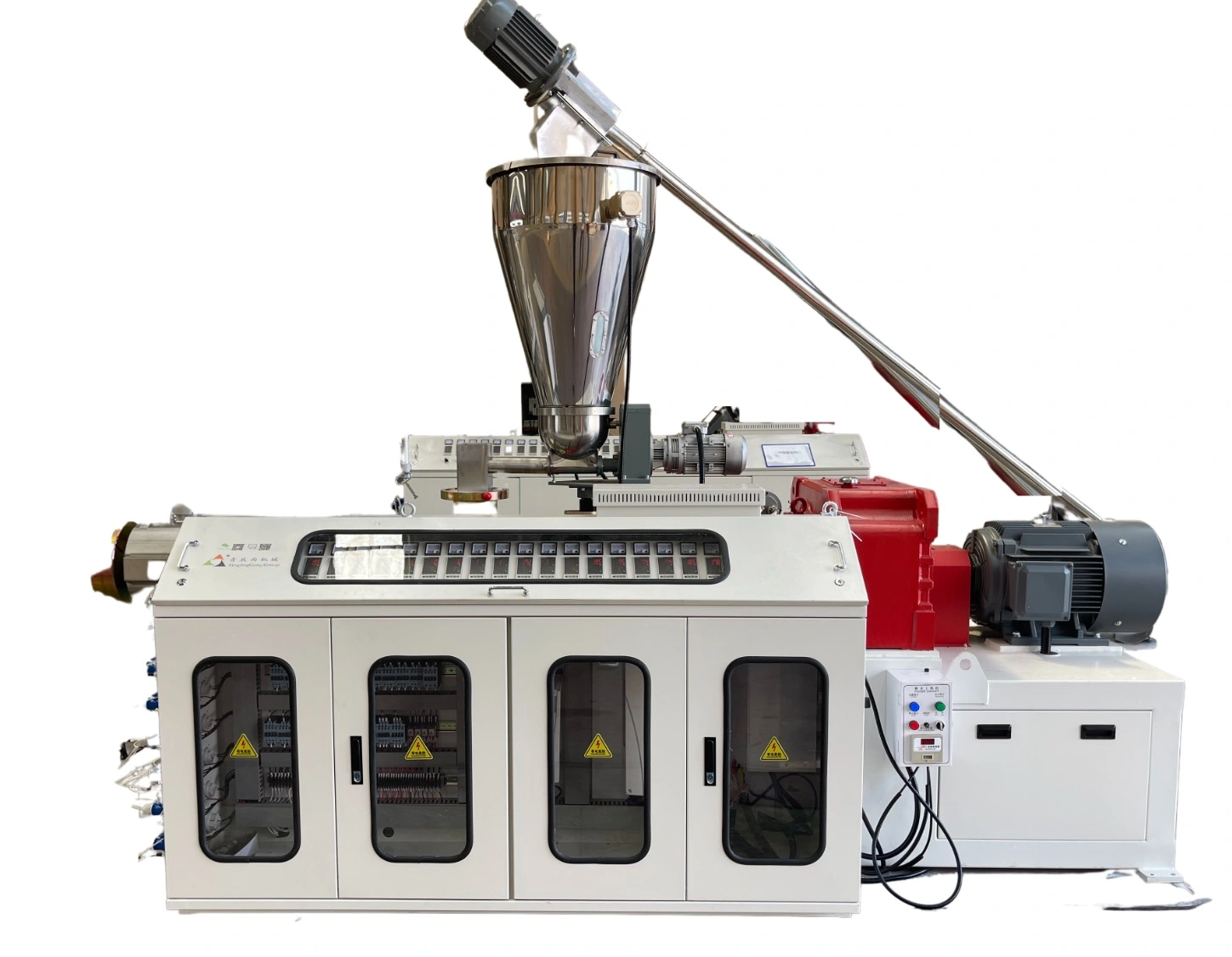
Engineered explicitly for compounding and extruding rigid PVC powder and WPC materials, the SJSZ series delivers unparalleled positive material displacement. Its conical design naturally compresses the melt, ensuring a dense, void-free profile output perfect for structural applications.
Model: SJSZ-45
Screw Diameter (mm): 45/90
Rotation Speed (rpm): 45
Main Motor (kw): 15 (Options up to 80kw for larger models)
Center Height (mm): 1000
Net Weight (kg): 2500
Dimensions (m): 3.3 * 1.2 * 2.1
A single screw extruder relies on friction and high shear to melt solid plastic pellets, making it ideal for stable materials like PE and PP. A twin screw extruder (featuring two interlocking screws) relies on positive displacement and low shear, making it mandatory for processing heat-sensitive powders like rigid PVC and highly filled compounds without burning the material.
Yes, provided the products utilize the same family of polymers. You can change the extrusion die and calibration tooling on a single machine to switch from extruding a square PVC conduit to a round PVC pipe. However, you cannot use a rigid PVC twin-screw extruder to successfully process thermoset EPDM rubber; that requires entirely different barrel and screw architectures.
Warping is almost universally caused by inadequate or uneven cooling. If the water calibration tank is too short, or if the water temperature is too high, the core of the plastic profile remains in a molten state. As the outer skin solidifies and the inner core cools later, the differential shrinkage causes the entire profile to warp or bow.
Co-extrusion is a process where two or more separate extruders feed different molten polymers into a single, specialized die simultaneously. This allows manufacturers to create a single profile with multiple properties, such as a weather seal that features a rigid PVC backbone for mounting, and a soft TPE lip for sealing against glass.
To ensure our manufacturing guidance aligns with global engineering standards, we consult the following authoritative bodies regarding polymer processing and machinery compliance:
Plastics Industry Association - Standards for polymer processing and manufacturing safety.
ASTM International - Standard specifications for plastic pipe, tubing, and profile extrusion tolerances.
International Organization for Standardization (ISO) - ISO standards for continuous plastic processing machinery safety and performance.
 English
 العربية
 русский
 Español
 français
 português
 Deutsch
 italiano
 Türkçe
 한국어
한국어 日本語
日本語