The exponential growth of additive manufacturing has created a silent but massive logistical nightmare: plastic waste. Failed prints, discarded support structures, and empty spools are filling bins across engineering firms, universities, and hobbyist garages alike. The market response has been a flood of desktop filament recyclers promising to turn your waste back into usable 3D printing filament. However, as an established manufacturer of industrial extrusion and recycling systems, we at Xjgmachine must interject with a harsh reality: transforming shredded, degraded polymer waste into precision 1.75mm filament is a highly complex thermodynamic process. Most desktop toys on the market simply fail to deliver consistent results.
If you are serious about mitigating waste, you must approach this from an industrial perspective. You need equipment that provides precise thermal zoning, consistent pulling torque, and dedicated cooling. In this guide, we will analyze the Best filament recycling machines available today, dissecting the prosumer desktop options while presenting the heavy-duty industrial alternatives you actually need if you operate at scale.
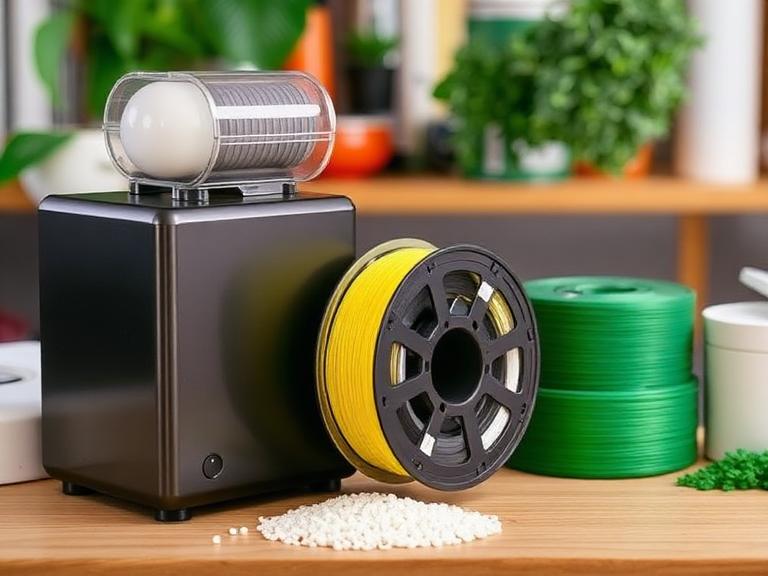
The Best filament recycling machines depend entirely on your volume. For research labs and low-volume prosumers looking to recycle PLA and PETG directly into spoolable filament, the 3devo Precision Series and the Protocycler V3 are the most capable desktop units. However, if your facility generates more than 5 kilograms of plastic waste per day, desktop filament extruders are a complete waste of capital. In most professional situations, commercial facilities must process this waste into uniform pellets using industrial equipment like a Plastic Recycling Machine, which can then be fed into dedicated, high-output industrial filament lines or injection molding systems.
A filament recycling machine is a miniaturized version of an industrial plastic extrusion line. Its purpose is to take shredded plastic waste (regrind) or virgin pellets, melt them down, and push the molten polymer through a precision die to create a continuous strand of 1.75mm or 2.85mm 3D printing filament.
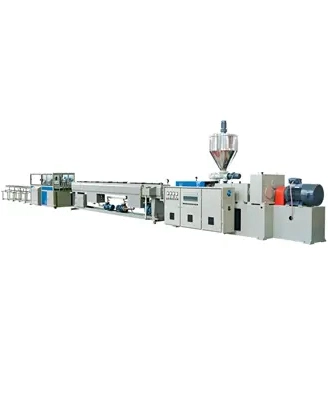
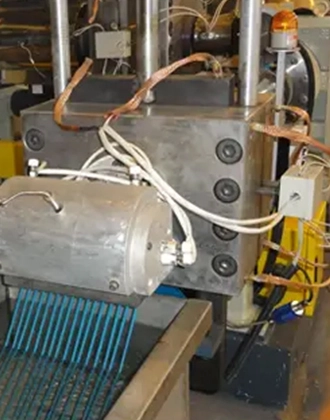
The process is far more complicated than merely melting plastic. First, the waste must be pulverized using a specialized Plastic Crusher or a fine Plastic Pulverizer Machine to create uniform flakes. These flakes are fed into a hopper. Inside the barrel, a rotating auger screw forces the plastic through multiple heating zones. The plastic undergoes intense shear stress and thermal energy until it reaches a molten state. As it exits the nozzle (the die), it immediately swells. To counteract this "die swell," the machine must utilize a closed-loop optical sensor and a motorized puller mechanism to stretch the filament to the exact required diameter while cooling fans rapidly solidify the plastic before it wraps onto a spool.
Benefits: The primary advantage is the massive reduction in raw material costs and the creation of a closed-loop manufacturing cycle. For specialized research environments, having a desktop extruder allows for the creation of custom composite filaments (e.g., mixing carbon fiber with recycled ABS) without relying on massive minimum order quantities from external suppliers.
Limitations: The harsh reality is that every time a polymer is melted, its molecular chains break down. This phenomenon, known as chain scission, severely degrades the mechanical strength of the recycled filament. Furthermore, desktop machines lack the massive L/D (Length to Diameter) ratios of an industrial Plastic Extruder. This short barrel length means poor mixing, leading to inconsistent melting and severe diameter fluctuations. A diameter variance of just 0.1mm will jam a 3D printer's hotend instantly.
For commercial users operating print farms, university fabrication labs, or product development centers, investing in an automated, sensor-driven filament maker (like the 3devo) is justifiable. For heavy-duty applications where factories produce hundreds of kilograms of scrap plastic daily, desktop filament makers are entirely useless. These facilities must utilize large-scale pelletizing lines to process the waste for resale or bulk industrial use.
For beginners and casual hobbyists generating only a few failed prints a month, do not buy a filament recycler. The electrical costs, equipment maintenance, and time spent monitoring the extrusion process will far exceed the cost of simply buying a new $20 spool of PLA.
We have categorized the Best filament recycling machines into two tiers: the top desktop/prosumer units for direct filament creation, and the heavy-duty industrial solutions required for commercial-scale plastic recovery.
The 3devo is widely considered the gold standard for desktop filament extrusion. Built in the Netherlands, it features four independently controlled heating zones, an integrated optical sensor for diameter control, and an automated spooling mechanism. It is ideal for material research labs developing custom PEEK or Ultem blends. However, it requires you to source your own shredder.
The Protocycler distinguishes itself by including a built-in grinder alongside the extruder. It utilizes advanced AI-driven software to monitor the extrusion parameters and automatically adjusts pulling speed to maintain dimensional accuracy. It is highly efficient for schools and libraries aiming for a compact footprint.
The Felfil Evo is a highly accessible, open-source-inspired machine. It is fantastic for makers who want to experiment with recycling but do not have a massive budget. While it lacks the automated precision spooling of the 3devo, its modularity allows users to upgrade components over time.
The Filastruder is the original Kickstarter success story. It requires manual assembly and significant patience to tune, making it perfect for tinkerers. Its output is slow, and diameter consistency relies heavily on the user's setup environment, but it remains the cheapest entry point into filament making.
While not a standalone extruder, the Shr3d It is a heavy-duty desktop shredder necessary for prepping 3D printed waste. Many prosumers pair this high-torque shredder with a Filastruder or Felfil system to create a complete micro-recycling workflow.
This Italian-made system separates the shredder, extruder, and spooler into independent, robust modules. It offers excellent cooling capabilities, which is the secret to locking in the filament diameter before it reaches the spool.
When you scale past desktop toys, you need industrial machinery. For factories producing massive amounts of plastic scrap, converting that waste directly back into uniform pellets is the only commercial reality.
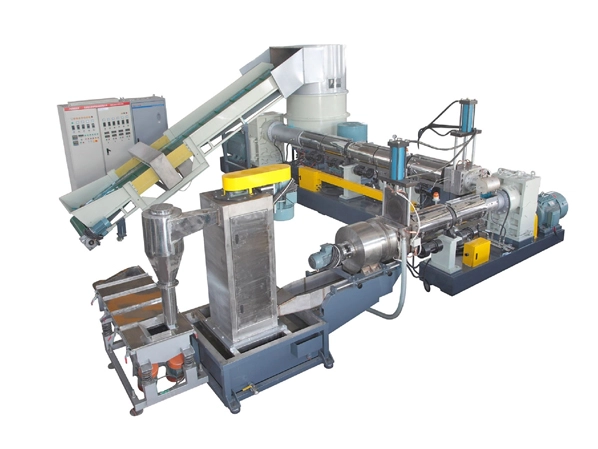
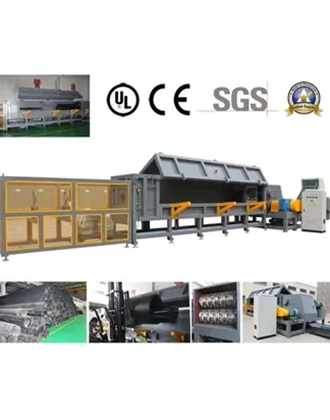
PE Film/PP Woven Bag Pelletizing Machine is used for converting waste PE films and PP woven bags into high-quality pellets that can be used in the manufacture of new products. The machine uses a series of processes including cutting, crushing, and pelletizing to transform the waste materials into uniform pellets that can be easily transported and stored. This makes it an important tool in the plastic recycling industry, contributing to the sustainable and environmentally-friendly use of plastic materials.
In most professional situations, plastic waste is not clean. It is contaminated with dust, oils, or other polymers. A desktop machine will instantly jam if fed dirty plastic. An industrial washing line is required to process post-consumer or heavily contaminated factory waste before it can be pelletized and eventually re-extruded into filament or fed into a Plastic Pipe Production Line.
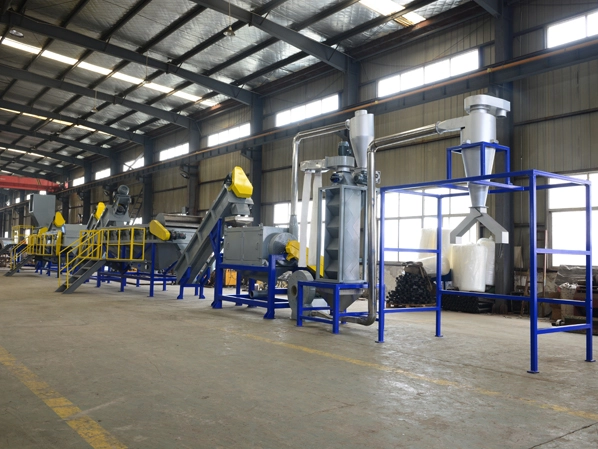
LDPE BOPP film recycling and washing line mainly includes a belt conveyor, metal detector, single double shaft shredder, film crusher with water, floating tank, hot washer, high-speed friction washer, special film squeezer or film densifier machine, centrifugal dewatering machine, drying system, storage silo, etc. The line is capable of transforming discarded film waste into clean and reusable plastic pellets or granules, ideal for use in new product manufacturing. QINGCHENYU RECYCLING Company can design different configurations of film recycling and washing lines according to customer final product requirements. At present, our LDPE film recycling and washing lines can be provided 200kg/h up to 2000 kg/hour.
In our testing, we observe users constantly failing because they ignore the fundamental chemistry of polymers. The most common mistake is failing to separate plastic types. If you mix even 1% of PETG into a batch of PLA, the resulting filament will have completely unstable melting temperatures, rendering it unprintable.
Another fatal error is ignoring moisture. Materials like Nylon, PETG, and even PLA are hygroscopic. They absorb moisture from the air. If you feed undried plastic flakes into a heated barrel, the water boils, creating steam pockets inside the extruder. This results in brittle, porous filament that looks like Swiss cheese. Always use a commercial desiccant dryer before extruding.
When selecting the Best filament recycling machines, you must evaluate the pulling and spooling mechanism. Extruding plastic out of a nozzle is easy; winding it onto a spool without stretching it thin is incredibly difficult. You must buy a machine that features a closed-loop optical diameter sensor.
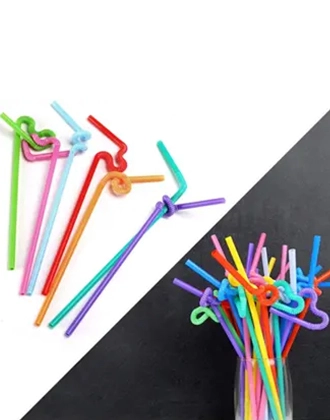
For commercial users, consider the throughput. If your print farm generates 10kg of waste a week, a desktop machine outputting 0.5kg per hour will require 20 hours of continuous, supervised operation. At that point, your labor costs exceed the value of the plastic. This is why scaling up to an industrial pelletizer and integrating it with other manufacturing processes, such as feeding a Plastic Straw Making Machine or a heavy-duty Plastic Floater/HDPE Pipe Floater line, is the only way to achieve a true Return on Investment (ROI).
From our experience as industrial manufacturers, we strongly advise against relying on cheap desktop extruders for production-grade filament. If you need tight tolerances (1.75mm +/- 0.03mm) to prevent your 3D printers from jamming, you must invest in high-end desktop units like the 3devo, or partner with a compounding facility.
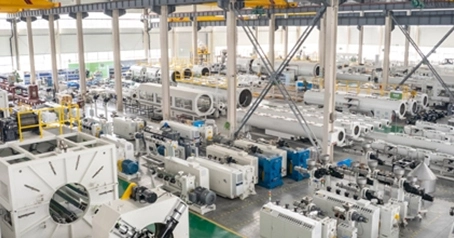
However, if your goal is large-scale waste mitigation, we recommend treating your 3D printing waste like any other industrial scrap. Shred it, wash it, and pelletize it using heavy-duty equipment like the Xjgmachine PE Film/PP Woven Bag Pelletizing Machine. Once you have clean, uniform pellets, you possess a valuable raw commodity that can be sold on the open market or fed into dedicated, multi-stage industrial extrusion lines.
| Machine Class | Target User | Output Type | Average Throughput |
|---|---|---|---|
| Budget Desktop (e.g., Filastruder) | Hobbyists, Makers | Filament Spool | 0.2 - 0.5 kg/hr |
| Premium Desktop (e.g., 3devo, Protocycler) | Universities, R&D Labs | Filament Spool | 0.5 - 1.5 kg/hr |
| Industrial Pelletizer (e.g., Xjgmachine) | Commercial Factories, Print Farms | Uniform Pellets | 200 - 2000 kg/hr |
| Machine | Integrated Shredder? | Diameter Control | Price Bracket |
|---|---|---|---|
| 3devo Precision | No | Optical Sensor (Closed Loop) | High ($5,000+) |
| Protocycler V3 | Yes | AI-Driven Sensor | Medium-High ($3,000+) |
| Felfil Evo | No | Manual/External | Low ($800+) |
| Filastruder | No | Manual/Gravity | Very Low ($300+) |
| Pros | Cons |
|---|---|
| Massive reduction in raw material procurement costs. | Recycled polymers suffer from degraded mechanical strength. |
| Ability to create custom colors and composite material blends. | Requires significant time for sorting, shredding, and drying. |
| Reduces environmental footprint and landfill waste. | High risk of extruder jams if diameter tolerance fluctuates. |
| Creates a self-sustaining, closed-loop supply chain. | High initial capital expenditure for premium equipment. |
| Your Daily Waste Volume | Recommended Equipment | Primary Rationale |
|---|---|---|
| Under 1 kg | Filastruder / Do Not Recycle | ROI takes too long; better to responsibly discard or use budget kits. |
| 1 kg - 5 kg | 3devo / Protocycler | Justifies the cost of a premium desktop unit to supply a small print farm. |
| 50 kg - 2000+ kg | Xjgmachine Pelletizer & Wash Line | Requires heavy-duty industrial machinery capable of handling massive throughput and contamination. |
The pursuit of the Best filament recycling machines requires total honesty about your operational scale. For researchers and small print farms, premium desktop units like the 3devo offer the precision necessary to create spoolable, usable filament. However, do not fall into the trap of thinking a desktop extruder can handle commercial volumes. For heavy-duty applications, true sustainability and profitability lie in industrial shredding and pelletizing lines. Whether you are extruding 3D filament or marking products downstream with a Plastic Pipe Laser Printer, upgrading to commercial-grade equipment guarantees the consistency that amateur machines simply cannot provide.
No. Every time PLA (Polylactic Acid) undergoes a thermal cycle (melting and cooling), its polymer chains break down, resulting in a loss of tensile strength and increased brittleness. In most professional situations, you should mix recycled PLA with at least 30% to 50% virgin PLA pellets to maintain acceptable structural integrity for 3D printing.
A bubbly or rough texture is almost always caused by moisture trapped inside the plastic flakes. When the wet plastic hits the heated extruder barrel, the moisture turns to steam, creating micro-bubbles inside the filament. You must dry your regrind in a dedicated desiccant dryer for several hours before feeding it into the recycling machine.
Yes, absolute cleanliness is mandatory. Any dust, adhesives (like glue stick or hairspray from the print bed), or metal shavings will immediately clog the extruder nozzle. For large-scale operations, utilizing an industrial washing line to remove contaminants prior to pelletizing is a critical step in the recycling process.
U.S. Environmental Protection Agency (EPA): Guidelines and data on sustainable materials management and the environmental impact of plastic recycling processes. Review EPA Recycling Guidelines
ASTM International: Standards for plastic testing, specifically ASTM D6988 regarding the determination of thickness and dimensional tolerances critical for 3D printing filament. Review ASTM Plastic Standards
ScienceDirect (Polymer Degradation and Stability): Peer-reviewed research detailing the thermomechanical degradation of PLA, PETG, and ABS during multiple extrusion cycles. Access Polymer Degradation Research
 English
 العربية
 русский
 Español
 français
 português
 Deutsch
 italiano
 Türkçe
 한국어
한국어 日本語
日本語